Blog

  • century telephone enterprises inc

    century telephone enterprises inc

    History of Century Telephone Enterprises Inc

    Century Telephone Enterprises Inc. is a telecommunications company that has been providing services to customers for over a century. The company was founded in 1895 by Clarke M. Williams in Oak Ridge, Louisiana. At the time, the company was known as the Oak Ridge Telephone Company and had only 75 customers.

    Over the years, the company expanded its services and acquired other telecommunications companies. In 1971, the company changed its name to Century Telephone Enterprises Inc. and went public on the New York Stock Exchange. The company continued to grow and expand its services, becoming one of the largest telecommunications companies in the United States.

    In 1995, Century Telephone Enterprises Inc. celebrated its 100th anniversary. The company had come a long way from its humble beginnings in Oak Ridge, Louisiana. Today, Century Telephone Enterprises Inc. is known as centurylink and provides a wide range of telecommunications services to customers across the United States.

    Throughout its history, Century Telephone Enterprises Inc. has been committed to providing high-quality services to its customers. The company has invested heavily in its infrastructure, building a network of fiber-optic cables and other advanced technologies to ensure that its customers have access to the latest telecommunications services.

    In addition to its commitment to providing high-quality services, Century Telephone Enterprises Inc. has also been committed to giving back to the communities it serves. The company has a long history of supporting local charities and organizations, and its employees are encouraged to volunteer their time and resources to help those in need.

    One of the key factors in Century Telephone Enterprises Inc.’s success has been its ability to adapt to changing technologies and customer needs. The company has always been at the forefront of innovation, introducing new services and technologies to meet the evolving needs of its customers.

    For example, in the early 2000s, Century Telephone Enterprises Inc. was one of the first telecommunications companies to offer high-speed internet services to customers. The company also introduced a range of other services, including digital television and home security systems.

    Today, CenturyLink continues to innovate and introduce new services to its customers. The company is focused on providing high-speed internet services to customers in rural areas, where access to broadband internet can be limited. CenturyLink is also investing in new technologies, such as 5G wireless networks, to ensure that its customers have access to the latest telecommunications services.

    In conclusion, Century Telephone Enterprises Inc. has a long and storied history in the telecommunications industry. The company has been committed to providing high-quality services to its customers and giving back to the communities it serves. Through its commitment to innovation and investment in new technologies, Century Telephone Enterprises Inc. has remained a leader in the telecommunications industry for over a century. Today, as CenturyLink, the company continues to provide cutting-edge services to customers across the United States.

    Financial Performance of Century Telephone Enterprises Inc

    Century Telephone Enterprises Inc. is a telecommunications company that has been in operation for over a century. The company has a long history of providing reliable and affordable communication services to its customers. Over the years, Century Telephone Enterprises Inc. has grown to become one of the largest telecommunications companies in the United States. In this article, we will take a closer look at the financial performance of Century Telephone Enterprises Inc.

    Revenue

    Century Telephone Enterprises Inc. has consistently reported strong revenue growth over the years. In 2020, the company reported revenue of $18.6 billion, up from $17.1 billion in 2019. This represents a year-over-year increase of 8.8%. The company’s revenue growth can be attributed to its strong customer base and its ability to offer a wide range of communication services.

    Net Income

    Century Telephone Enterprises Inc. has also reported strong net income growth over the years. In 2020, the company reported net income of $2.2 billion, up from $1.9 billion in 2019. This represents a year-over-year increase of 15.8%. The company’s net income growth can be attributed to its ability to control costs and its focus on profitability.

    Earnings per Share

    Century Telephone Enterprises Inc. has consistently reported strong earnings per share (EPS) growth over the years. In 2020, the company reported EPS of $4.08, up from $3.52 in 2019. This represents a year-over-year increase of 15.9%. The company’s EPS growth can be attributed to its strong net income growth and its focus on returning value to shareholders.

    Dividends

    Century Telephone Enterprises Inc. has a long history of paying dividends to its shareholders. In 2020, the company paid out $1.00 per share in dividends, up from $0.92 per share in 2019. This represents a year-over-year increase of 8.7%. The company’s dividend growth can be attributed to its strong financial performance and its commitment to returning value to shareholders.

    Debt

    Century Telephone Enterprises Inc. has a relatively high level of debt compared to its peers. As of December 31, 2020, the company had total debt of $20.5 billion, up from $19.3 billion in 2019. This represents a year-over-year increase of 6.2%. The company’s high level of debt can be attributed to its acquisition of Level 3 Communications in 2017.

    Cash Flow

    Century Telephone Enterprises Inc. has consistently reported strong cash flow from operations over the years. In 2020, the company reported cash flow from operations of $7.3 billion, up from $6.6 billion in 2019. This represents a year-over-year increase of 10.6%. The company’s strong cash flow can be attributed to its ability to generate cash from its operations and its focus on managing its working capital.

    Conclusion

    In conclusion, Century Telephone Enterprises Inc. has a strong financial performance. The company has consistently reported strong revenue, net income, EPS, and dividends growth over the years. However, the company has a relatively high level of debt compared to its peers. Despite this, the company has a strong cash flow from operations and a long history of paying dividends to its shareholders. Overall, Century Telephone Enterprises Inc. is a financially sound company that is well-positioned for future growth.

    Future Plans of Century Telephone Enterprises Inc

    Century Telephone Enterprises Inc. is a telecommunications company that has been providing services to customers for over a century. The company has grown significantly over the years and has expanded its services to include internet, television, and home security. As the company continues to evolve, it has set its sights on the future and has developed plans to ensure its continued success.

    One of the primary goals of Century Telephone Enterprises Inc. is to expand its fiber optic network. Fiber optic technology is the future of telecommunications, and Century Telephone Enterprises Inc. recognizes the importance of investing in this technology. The company plans to expand its fiber optic network to reach more customers and provide faster internet speeds. This will not only improve the customer experience but also position the company as a leader in the industry.

    Another area of focus for Century Telephone Enterprises Inc. is customer service. The company understands that providing excellent customer service is essential to retaining customers and attracting new ones. To this end, the company plans to invest in training programs for its employees to ensure they have the skills and knowledge necessary to provide exceptional service. Additionally, the company plans to implement new technologies that will allow customers to easily access their accounts and receive support when needed.

    In addition to expanding its fiber optic network and improving customer service, Century Telephone Enterprises Inc. is also exploring new business opportunities. The company has identified several areas where it can leverage its expertise and resources to create new revenue streams. For example, the company is exploring opportunities in the home automation market. By offering products and services that allow customers to control their homes remotely, Century Telephone Enterprises Inc. can tap into a growing market and provide additional value to its customers.

    Another area of focus for Century Telephone Enterprises Inc. is sustainability. The company recognizes the importance of reducing its environmental impact and has developed plans to become more sustainable. This includes investing in renewable energy sources, reducing waste, and implementing energy-efficient technologies. By becoming more sustainable, Century Telephone Enterprises Inc. can not only reduce its environmental impact but also improve its bottom line by reducing costs.

    Finally, Century Telephone Enterprises Inc. is committed to giving back to the communities it serves. The company has a long history of supporting local organizations and initiatives, and it plans to continue this tradition in the future. The company has established a foundation that provides grants to organizations that support education, health, and community development. Additionally, the company encourages its employees to volunteer in their communities and provides paid time off for volunteer work.

    In conclusion, Century Telephone Enterprises Inc. has developed a comprehensive plan for the future that includes expanding its fiber optic network, improving customer service, exploring new business opportunities, becoming more sustainable, and giving back to the community. By focusing on these areas, the company can position itself for continued success in the telecommunications industry. As the company approaches its second century of operation, it remains committed to providing its customers with the best possible service and contributing to the communities it serves.


  • lumen work from home

    lumen work from home

    5 Tips for Staying Productive While Working from Home with Lumen

    As the world continues to grapple with the COVID-19 pandemic, many companies have had to adapt to remote work. For some, this has been a seamless transition, while for others, it has been a struggle to maintain productivity and focus. If you are one of the many people who have recently started working from home with Lumen, here are five tips to help you stay productive.

    1. Create a Dedicated Workspace

    One of the biggest challenges of working from home is separating your work life from your personal life. To help with this, it is important to create a dedicated workspace. This could be a spare room, a corner of your living room, or even just a desk in your bedroom. The key is to have a space that is solely dedicated to work. This will help you mentally switch into work mode when you enter your workspace and switch out of it when you leave.

    2. Stick to a Routine

    When you work from home, it can be tempting to sleep in, work in your pajamas, and take long breaks throughout the day. However, this can quickly lead to a lack of productivity and focus. To combat this, it is important to stick to a routine. Wake up at the same time every day, get dressed as if you were going into the office, and take breaks at the same time each day. This will help you maintain a sense of structure and routine, which can be incredibly helpful for staying productive.

    3. Use Lumen’s Collaboration Tools

    One of the benefits of working from home with Lumen is that you have access to a variety of collaboration tools. These tools can help you stay connected with your team and stay on top of your work. For example, you can use Lumen’s video conferencing tools to hold virtual meetings, or you can use the chat feature to quickly communicate with your colleagues. By using these tools, you can stay connected and productive, even when you are working from home.

    4. Take Breaks

    When you work from home, it can be easy to get caught up in your work and forget to take breaks. However, taking regular breaks is essential for maintaining productivity and focus. Make sure to take short breaks throughout the day to stretch, walk around, or grab a snack. You can also use your breaks to do something that helps you relax, such as reading a book or listening to music. By taking breaks, you can recharge your batteries and come back to your work with renewed focus.

    5. Set Boundaries

    Finally, it is important to set boundaries when you work from home. This means setting clear expectations with your family and friends about when you are working and when you are available. It also means setting boundaries with yourself, such as not checking your email after a certain time or not working on the weekends. By setting boundaries, you can maintain a healthy work-life balance and avoid burnout.

    In conclusion, working from home with Lumen can be a great way to stay productive and connected with your team. By creating a dedicated workspace, sticking to a routine, using collaboration tools, taking breaks, and setting boundaries, you can stay focused and productive, even when you are working from home.

    The Benefits and Challenges of Lumen Work from Home

    Lumen Work from Home: The Benefits and Challenges

    The COVID-19 pandemic has forced many companies to adopt remote work policies, and Lumen is no exception. Lumen, formerly known as CenturyLink, is a telecommunications company that provides internet, phone, and TV services to millions of customers worldwide. With the pandemic still ongoing, Lumen has implemented a work from home policy for its employees. While there are benefits to working from home, there are also challenges that come with it.

    One of the benefits of working from home is the flexibility it provides. Employees can work from anywhere, as long as they have a stable internet connection. This means that they can work from the comfort of their own homes, which can lead to increased productivity. Without the distractions of a traditional office environment, employees can focus on their work and complete tasks more efficiently. Additionally, working from home can save employees time and money on commuting, which can lead to a better work-life balance.

    Another benefit of working from home is the reduced risk of exposure to illnesses. With the ongoing pandemic, many people are concerned about their health and safety. By working from home, employees can reduce their risk of exposure to COVID-19 and other illnesses. This can lead to a healthier workforce and fewer sick days.

    However, there are also challenges that come with working from home. One of the biggest challenges is the lack of social interaction. Working from home can be isolating, and employees may feel disconnected from their colleagues. This can lead to feelings of loneliness and decreased morale. To combat this, companies like Lumen have implemented virtual team-building activities and regular check-ins to ensure that employees feel connected and supported.

    Another challenge of working from home is the potential for distractions. Without the structure of a traditional office environment, employees may be tempted to engage in non-work-related activities, such as watching TV or doing household chores. This can lead to decreased productivity and missed deadlines. To address this, companies like Lumen have provided employees with guidelines and expectations for working from home, as well as tools to help them stay focused, such as time-tracking software.

    Finally, working from home can blur the lines between work and personal life. Without a physical separation between work and home, employees may find it difficult to disconnect from work and may feel like they are always “on.” This can lead to burnout and decreased job satisfaction. To address this, companies like Lumen have encouraged employees to set boundaries and establish a routine that includes breaks and time for self-care.

    In conclusion, working from home has both benefits and challenges. While it provides flexibility and reduces the risk of exposure to illnesses, it can also be isolating, distracting, and lead to blurred lines between work and personal life. Companies like Lumen have implemented policies and tools to address these challenges and ensure that employees feel supported and connected. As remote work becomes more common, it is important for companies to continue to adapt and find ways to make it a successful and sustainable option for their employees.

    How Lumen’s Work from Home Policy is Changing the Future of Remote Work

    The COVID-19 pandemic has forced many companies to adopt remote work policies to keep their employees safe. However, Lumen, a technology company, has been ahead of the curve in this regard. Lumen has been offering its employees the option to work from home for years, and the company’s work from home policy is changing the future of remote work.

    Lumen’s work from home policy is based on the belief that employees should have the flexibility to work from anywhere, as long as they are productive and meet their goals. The company’s policy is not just about working from home; it’s about creating a culture of trust and accountability. Lumen’s employees are empowered to manage their own schedules and workloads, and they are held accountable for meeting their goals.

    One of the benefits of Lumen’s work from home policy is that it allows the company to attract and retain top talent from all over the world. Lumen’s employees come from diverse backgrounds and cultures, and the company’s work from home policy allows them to work from anywhere in the world. This has helped Lumen build a diverse and inclusive workforce that is better equipped to serve its customers.

    Another benefit of Lumen’s work from home policy is that it allows the company to reduce its carbon footprint. By allowing employees to work from home, Lumen is reducing the need for office space and transportation. This not only helps the environment but also saves the company money on rent and other expenses.

    Lumen’s work from home policy has also helped the company adapt to the challenges posed by the COVID-19 pandemic. While many companies were struggling to transition to remote work, Lumen’s employees were already equipped to work from home. This allowed the company to continue serving its customers without interruption, even during the pandemic.

    However, Lumen’s work from home policy is not without its challenges. One of the biggest challenges is maintaining a sense of community and collaboration among remote employees. To address this challenge, Lumen has implemented a variety of tools and technologies to help employees stay connected and collaborate effectively. These tools include video conferencing, instant messaging, and project management software.

    Another challenge of Lumen’s work from home policy is ensuring that employees have the right equipment and technology to work effectively from home. To address this challenge, Lumen provides its employees with the necessary equipment and technology, including laptops, monitors, and high-speed internet access.

    In conclusion, Lumen’s work from home policy is changing the future of remote work. By offering its employees the flexibility to work from anywhere, Lumen is building a diverse and inclusive workforce, reducing its carbon footprint, and adapting to the challenges posed by the COVID-19 pandemic. While there are challenges to remote work, Lumen is committed to addressing them and creating a culture of trust and accountability that empowers its employees to be productive and successful, no matter where they are working from.

  • lumen fiber map

    lumen fiber map

    “Navigate the world of fiber optics with ease using lumen fiber map.”

    The lumen fiber map is a visual representation of the fiber optic network infrastructure owned and operated by Lumen Technologies (formerly known as CenturyLink). It shows the locations of Lumen’s fiber optic cables, data centers, and other network assets across the United States. The map is a valuable tool for businesses and organizations that rely on high-speed internet connectivity and need to know the availability of fiber optic services in their area.

    The Benefits of Using Lumen Fiber Map for Network Planning

    In today’s digital age, network planning has become an essential aspect of any business or organization. With the increasing demand for high-speed internet and reliable connectivity, it is crucial to have a well-planned network infrastructure. This is where lumen fiber map comes into play. lumen fiber map is a powerful tool that helps network planners to design and optimize their network infrastructure.

    One of the primary benefits of using lumen fiber map is that it provides a comprehensive view of the network infrastructure. It allows network planners to visualize the entire network, including the fiber optic cables, nodes, and other network components. This helps them to identify potential bottlenecks and optimize the network for better performance. With lumen fiber map, network planners can easily identify the areas that require upgrades or maintenance, ensuring that the network is always running at its optimal level.

    Another significant advantage of using lumen fiber map is that it provides real-time data on network performance. This means that network planners can monitor the network in real-time and identify any issues that may arise. This helps them to quickly respond to any network problems and minimize downtime. With lumen fiber map, network planners can also track network usage and identify areas where network capacity needs to be increased.

    lumen fiber map also provides valuable insights into network traffic patterns. By analyzing network traffic data, network planners can identify the most heavily used areas of the network and optimize the network accordingly. This helps to ensure that the network is always running at its optimal level and can handle the demands of the users.

    In addition to these benefits, lumen fiber map also helps network planners to save time and money. With its intuitive interface and powerful features, network planners can quickly design and optimize their network infrastructure. This reduces the time and resources required for network planning, allowing businesses to focus on other critical areas of their operations.

    Overall, lumen fiber map is an essential tool for any business or organization that relies on a network infrastructure. It provides valuable insights into network performance, traffic patterns, and usage, helping network planners to optimize the network for better performance and reliability. With its real-time monitoring capabilities and intuitive interface, lumen fiber map is a must-have tool for any network planner looking to design and optimize their network infrastructure.

    How Lumen Fiber Map Can Improve Network Performance and Reliability

    In today’s digital age, businesses rely heavily on their network infrastructure to operate efficiently. With the increasing demand for high-speed internet and data transfer, it’s essential to have a reliable and robust network. This is where lumen fiber map comes in.

    lumen fiber map is a tool that provides businesses with a comprehensive view of their network infrastructure. It allows them to visualize their network topology, identify potential bottlenecks, and optimize their network performance. By using lumen fiber map, businesses can improve their network reliability, reduce downtime, and enhance their overall productivity.

    One of the key benefits of lumen fiber map is its ability to provide real-time network monitoring. This means that businesses can track their network performance and identify any issues before they become critical. With this information, they can take proactive measures to resolve the problem and prevent any downtime.

    Another advantage of lumen fiber map is its ability to identify potential network bottlenecks. By analyzing the network topology, businesses can identify areas where the network is congested and optimize it accordingly. This can help to improve network performance and reduce latency, resulting in faster data transfer and improved user experience.

    lumen fiber map also provides businesses with a detailed view of their network infrastructure. This includes information on the location of network devices, the type of connection, and the bandwidth available. With this information, businesses can make informed decisions about their network infrastructure and optimize it for their specific needs.

    In addition to improving network performance and reliability, lumen fiber map can also help businesses to reduce costs. By identifying areas where the network is underutilized, businesses can optimize their network infrastructure and reduce unnecessary expenses. This can include reducing the number of network devices or upgrading to more efficient equipment.

    Overall, lumen fiber map is an essential tool for businesses that rely on their network infrastructure. It provides real-time monitoring, identifies potential bottlenecks, and optimizes network performance. By using lumen fiber map, businesses can improve their network reliability, reduce downtime, and enhance their overall productivity.

    Lumen Fiber Map: A Comprehensive Guide to Fiber Optic Network Mapping

    Fiber optic networks have become an essential part of modern communication systems. They are used to transmit data, voice, and video signals over long distances at high speeds. The demand for fiber optic networks has increased significantly in recent years, and so has the need for accurate fiber optic network mapping. This is where the lumen fiber map comes in.

    The lumen fiber map is a comprehensive guide to fiber optic network mapping. It is a tool that provides detailed information about the location, capacity, and connectivity of fiber optic networks. The map is designed to help network operators, service providers, and other stakeholders to plan, design, and manage fiber optic networks effectively.

    The lumen fiber map covers a wide range of fiber optic networks, including long-haul, metro, and access networks. It provides information about the fiber optic cables, the equipment used to transmit signals, and the locations of key network elements such as fiber optic switches and routers.

    One of the key features of the lumen fiber map is its ability to provide real-time information about the status of fiber optic networks. This means that network operators can quickly identify and resolve any issues that may arise, such as fiber cuts or equipment failures. This helps to minimize downtime and ensure that the network is always available to users.

    The lumen fiber map also provides information about the capacity of fiber optic networks. This is important because it helps network operators to plan for future growth and ensure that the network can handle increasing amounts of traffic. The map provides information about the available bandwidth, the number of fibers in each cable, and the distance between network elements.

    Another important feature of the lumen fiber map is its ability to provide information about the connectivity of fiber optic networks. This means that network operators can quickly identify the paths that data takes through the network, and ensure that there are no bottlenecks or other issues that could affect performance. The map provides information about the routes that data takes, the locations of key network elements, and the capacity of each link.

    The lumen fiber map is a valuable tool for anyone involved in the planning, design, or management of fiber optic networks. It provides a comprehensive guide to fiber optic network mapping, and helps to ensure that networks are designed and managed effectively. The map is constantly updated with new information, ensuring that it remains a reliable and up-to-date resource for network operators and other stakeholders.

    In conclusion, the lumen fiber map is an essential tool for anyone involved in the planning, design, or management of fiber optic networks. It provides a comprehensive guide to fiber optic network mapping, and helps to ensure that networks are designed and managed effectively. The map is constantly updated with new information, ensuring that it remains a reliable and up-to-date resource for network operators and other stakeholders. With the increasing demand for fiber optic networks, the lumen fiber map is a valuable asset that can help to ensure the success of these critical communication systems.

    The Future of Network Infrastructure: Insights from Lumen Fiber Map

    The world is becoming increasingly connected, and as a result, the demand for high-speed internet is growing at an unprecedented rate. With the rise of the Internet of Things (IoT), cloud computing, and other data-intensive technologies, the need for reliable and fast network infrastructure has never been greater. In response to this demand, companies like Lumen Technologies are investing heavily in fiber optic networks to provide the backbone for the digital age.

    Lumen Technologies, formerly known as CenturyLink, is a global communications company that provides a range of services, including internet, voice, and video. One of the company’s most significant investments is in its fiber optic network, which spans over 450,000 route miles across North America, Europe, and Asia. To help customers understand the scope and capabilities of this network, Lumen has created the lumen fiber map.

    The lumen fiber map is an interactive tool that allows users to explore the company’s fiber optic network in detail. The map shows the location of Lumen’s fiber optic cables, as well as the cities and regions that are covered by the network. Users can zoom in and out of the map to see the network’s coverage at different levels of detail, from a global view down to individual streets and buildings.

    One of the most impressive features of the lumen fiber map is its level of detail. The map shows not only the location of Lumen’s fiber optic cables but also the type of cable and the capacity of each cable. This information is critical for businesses that rely on high-speed internet to operate. By knowing the location and capacity of Lumen’s fiber optic cables, businesses can make informed decisions about where to locate their operations and how much bandwidth they will need.

    Another benefit of the lumen fiber map is that it provides insight into the future of network infrastructure. As Lumen continues to expand its fiber optic network, the map will be updated to reflect these changes. This means that businesses and individuals can use the map to stay up-to-date on the latest developments in network infrastructure and plan accordingly.

    The lumen fiber map is also a valuable tool for policymakers and regulators. By understanding the scope and capabilities of Lumen’s fiber optic network, policymakers can make informed decisions about how to regulate the telecommunications industry. For example, if policymakers see that Lumen’s network is not reaching certain areas, they may take steps to encourage the company to expand its coverage.

    Overall, the lumen fiber map is an impressive tool that provides valuable insights into the future of network infrastructure. As the demand for high-speed internet continues to grow, companies like Lumen will play a critical role in providing the backbone for the digital age. By investing in fiber optic networks and providing tools like the lumen fiber map, these companies are helping to create a more connected and prosperous world.

    Q&A

    1. What is a lumen fiber map?
    A lumen fiber map is a visual representation of the fiber optic network infrastructure in a particular area.

    2. What information can be found on a lumen fiber map?
    A lumen fiber map typically shows the location of fiber optic cables, network nodes, and other related infrastructure. It may also provide information on the capacity and speed of the network.

    3. How can a lumen fiber map be useful?
    A lumen fiber map can be useful for businesses and individuals who need to understand the availability and quality of fiber optic internet in a particular area. It can also be helpful for network engineers and technicians who need to plan and maintain the network infrastructure.

    4. Where can I find a lumen fiber map?
    Lumen (formerly CenturyLink) provides a fiber map on their website that shows the coverage of their fiber optic network in the United States. Other internet service providers may also have their own fiber maps available.Conclusion: lumen fiber map is a useful tool for businesses and individuals to determine the availability of high-speed internet services in their area. It provides detailed information about the fiber optic network infrastructure and helps in making informed decisions about internet service providers. The map is constantly updated to reflect the latest developments in the network, making it a reliable source of information.

  • Digital Twins Improve Network Planning and Operations for Telco Providers

    Digital Twins Improve Network Planning and Operations for Telco Providers

    The Benefits of Implementing Digital Twins in Telco Network Planning

    Digital Twins Improve Network Planning and Operations for Telco Providers

    In today’s digital age, telecommunication (telco) providers are facing increasing pressure to deliver high-quality services to their customers. With the rise of new technologies such as 5G, the Internet of Things (IoT), and cloud computing, telco providers need to ensure that their networks are capable of handling the growing demand for data and connectivity. This is where digital twins come in.

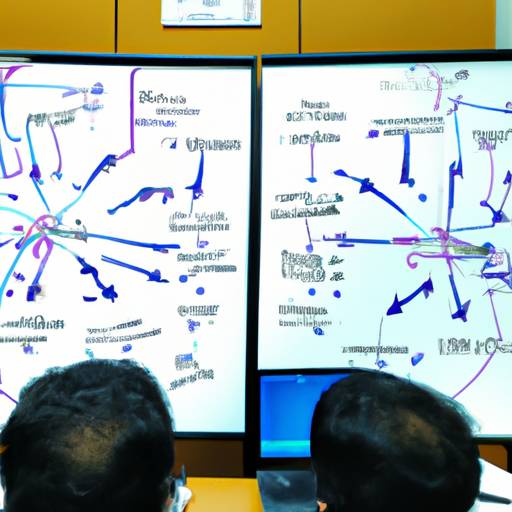
    Digital twins are virtual replicas of physical objects or systems that can be used to simulate and analyze their behavior in real-time. In the context of telco networks, digital twins can be used to model and optimize network planning and operations. By creating a digital twin of their network, telco providers can gain valuable insights into how their network is performing, identify potential issues before they occur, and make data-driven decisions to improve network performance.

    One of the key benefits of implementing digital twins in telco network planning is the ability to optimize network capacity. With the growing demand for data and connectivity, telco providers need to ensure that their networks are capable of handling the increased traffic. By creating a digital twin of their network, telco providers can simulate different scenarios and identify potential bottlenecks or capacity constraints. This allows them to make informed decisions about where to invest in network infrastructure and how to optimize network capacity to meet the growing demand.

    Another benefit of digital twins in telco network planning is the ability to improve network reliability. Telco providers need to ensure that their networks are always available and reliable, as downtime can have a significant impact on their customers’ experience. By creating a digital twin of their network, telco providers can simulate different failure scenarios and identify potential points of failure. This allows them to proactively address potential issues before they occur, reducing downtime and improving network reliability.

    Digital twins can also be used to improve network security. With the increasing number of cyber threats targeting telco networks, it is essential for telco providers to ensure that their networks are secure. By creating a digital twin of their network, telco providers can simulate different cyber attack scenarios and identify potential vulnerabilities. This allows them to proactively address potential security issues before they are exploited by cybercriminals.

    In addition to network planning, digital twins can also be used to optimize network operations. Telco providers need to ensure that their networks are operating efficiently and effectively, as this can have a significant impact on their bottom line. By creating a digital twin of their network, telco providers can monitor network performance in real-time and identify potential issues before they impact network operations. This allows them to make data-driven decisions to optimize network operations and improve efficiency.

    Finally, digital twins can be used to improve customer experience. Telco providers need to ensure that their customers are satisfied with the services they provide, as this can impact customer retention and loyalty. By creating a digital twin of their network, telco providers can monitor network performance from the customer’s perspective and identify potential issues that may impact their experience. This allows them to proactively address potential issues and improve customer satisfaction.

    In conclusion, digital twins offer a range of benefits for telco providers looking to improve network planning and operations. By creating a virtual replica of their network, telco providers can gain valuable insights into network performance, optimize network capacity, improve network reliability and security, optimize network operations, and improve customer experience. As telco providers continue to face increasing pressure to deliver high-quality services to their customers, digital twins offer a powerful tool to help them meet these demands.

    How Digital Twins Can Enhance Telco Operations and Maintenance

    Digital Twins Improve Network Planning and Operations for Telco Providers

    In today’s digital age, telecommunication (telco) providers are facing increasing pressure to deliver high-quality services to their customers. With the rise of new technologies such as 5G, the Internet of Things (IoT), and cloud computing, telco providers need to ensure that their networks are reliable, efficient, and secure. To achieve this, they need to have a deep understanding of their network infrastructure and how it operates. This is where digital twins come in.

    Digital twins are virtual replicas of physical assets, processes, or systems. They are created using data from sensors, cameras, and other sources, and are used to simulate and analyze the behavior of the real-world asset. In the context of telco operations and maintenance, digital twins can be used to create a virtual representation of the network infrastructure, including the physical components such as antennas, routers, and switches, as well as the logical components such as network protocols and traffic flows.

    One of the key benefits of digital twins is that they enable telco providers to perform network planning and optimization in a more efficient and effective manner. By simulating different scenarios and configurations, telco providers can identify potential issues and bottlenecks before they occur, and make informed decisions about how to optimize the network. For example, they can use digital twins to test the impact of adding new antennas or routers to the network, or to evaluate the performance of different network protocols.

    Digital twins can also be used to improve network operations and maintenance. By monitoring the behavior of the virtual network, telco providers can detect anomalies and potential failures in real-time, and take proactive measures to prevent them from occurring. For example, they can use digital twins to monitor the traffic flow in the network and identify congestion points, or to detect abnormal behavior in network devices such as routers or switches.

    Another benefit of digital twins is that they enable telco providers to perform predictive maintenance. By analyzing the data from the virtual network, telco providers can identify patterns and trends that indicate potential failures or maintenance needs. This allows them to schedule maintenance activities in advance, reducing downtime and improving the overall reliability of the network.

    Digital twins can also be used to improve the customer experience. By simulating the behavior of the network from the customer’s perspective, telco providers can identify potential issues and improve the quality of service. For example, they can use digital twins to simulate the impact of network congestion on video streaming or online gaming, and make adjustments to the network to improve the customer experience.

    In conclusion, digital twins are a powerful tool for telco providers to improve their network planning and operations. By creating a virtual representation of the network infrastructure, telco providers can simulate different scenarios, detect anomalies in real-time, perform predictive maintenance, and improve the customer experience. As telco providers continue to face increasing pressure to deliver high-quality services, digital twins will become an essential tool for ensuring the reliability, efficiency, and security of their networks.

    Case Studies: Successful Implementation of Digital Twins in Telco Networks

    Digital Twins Improve Network Planning and Operations for Telco Providers

    In today’s digital age, telecommunication (telco) providers are facing increasing pressure to deliver high-quality services to their customers. With the rise of new technologies such as 5G, the Internet of Things (IoT), and cloud computing, telco providers need to ensure that their networks are reliable, efficient, and scalable. To achieve this, many telco providers are turning to digital twins.

    A digital twin is a virtual replica of a physical object or system. In the case of telco networks, a digital twin is a virtual model of the network infrastructure, including all the components, connections, and data flows. By creating a digital twin of their network, telco providers can gain a better understanding of how their network operates, identify potential issues before they occur, and optimize their network performance.

    Several telco providers have successfully implemented digital twins in their network planning and operations. Let’s take a look at some of these case studies.

    Case Study 1: Vodafone

    Vodafone, one of the world’s largest telco providers, has implemented a digital twin of its network infrastructure in Germany. The digital twin includes all the network components, such as antennas, base stations, and switches, as well as the connections between them. The digital twin also includes real-time data on network performance, such as signal strength, data usage, and network congestion.

    With the digital twin, Vodafone can simulate different scenarios and test the impact on network performance. For example, Vodafone can simulate the addition of new base stations or the deployment of new technologies such as 5G. By doing so, Vodafone can identify potential issues before they occur and optimize its network performance.

    Case Study 2: Telstra

    Telstra, Australia’s largest telco provider, has implemented a digital twin of its mobile network. The digital twin includes all the network components, such as antennas, base stations, and routers, as well as the connections between them. The digital twin also includes real-time data on network performance, such as signal strength, data usage, and network congestion.

    With the digital twin, Telstra can identify potential issues before they occur and optimize its network performance. For example, Telstra can simulate the impact of network congestion on network performance and adjust its network capacity accordingly. Telstra can also simulate the deployment of new technologies such as 5G and test the impact on network performance.

    Case Study 3: BT

    BT, one of the UK’s largest telco providers, has implemented a digital twin of its network infrastructure. The digital twin includes all the network components, such as routers, switches, and servers, as well as the connections between them. The digital twin also includes real-time data on network performance, such as data usage, network congestion, and security threats.

    With the digital twin, BT can identify potential issues before they occur and optimize its network performance. For example, BT can simulate the impact of a security threat on network performance and adjust its security measures accordingly. BT can also simulate the deployment of new technologies such as cloud computing and test the impact on network performance.

    Conclusion

    Digital twins are becoming an essential tool for telco providers to improve their network planning and operations. By creating a virtual replica of their network infrastructure, telco providers can gain a better understanding of how their network operates, identify potential issues before they occur, and optimize their network performance. The case studies of Vodafone, Telstra, and BT demonstrate the benefits of implementing digital twins in telco networks. As telco providers continue to face increasing pressure to deliver high-quality services, digital twins will become even more critical in ensuring that their networks are reliable, efficient, and scalable.

  • Digital Twins Improve Network Planning and Operations for Telco Providers

    Digital Twins Improve Network Planning and Operations for Telco Providers

    The Benefits of Implementing Digital Twins in Telco Network Planning

    Digital Twins Improve Network Planning and Operations for Telco Providers

    In today’s digital age, telecommunication (telco) providers are facing increasing pressure to deliver high-quality services to their customers. With the rise of new technologies such as 5G, the Internet of Things (IoT), and cloud computing, telco providers need to ensure that their networks are capable of handling the growing demand for data and connectivity. This is where digital twins come in.

    Digital twins are virtual replicas of physical objects or systems that can be used to simulate and analyze their behavior in real-time. In the context of telco networks, digital twins can be used to model and optimize network planning and operations. By creating a digital twin of their network, telco providers can gain valuable insights into how their network is performing, identify potential issues before they occur, and make data-driven decisions to improve network performance.

    One of the key benefits of implementing digital twins in telco network planning is the ability to optimize network capacity. With the growing demand for data and connectivity, telco providers need to ensure that their networks are capable of handling the increased traffic. By creating a digital twin of their network, telco providers can simulate different scenarios and identify potential bottlenecks or capacity constraints. This allows them to make informed decisions about where to invest in network infrastructure and how to optimize network capacity to meet the growing demand.

    Another benefit of digital twins in telco network planning is the ability to improve network reliability. Telco providers need to ensure that their networks are always available and reliable, as downtime can have a significant impact on their customers’ experience. By creating a digital twin of their network, telco providers can simulate different failure scenarios and identify potential points of failure. This allows them to proactively address potential issues before they occur, reducing downtime and improving network reliability.

    Digital twins can also be used to improve network security. With the increasing number of cyber threats targeting telco networks, it is essential for telco providers to ensure that their networks are secure. By creating a digital twin of their network, telco providers can simulate different cyber attack scenarios and identify potential vulnerabilities. This allows them to proactively address potential security issues before they are exploited by cybercriminals.

    In addition to network planning, digital twins can also be used to optimize network operations. Telco providers need to ensure that their networks are operating efficiently and effectively, as this can have a significant impact on their bottom line. By creating a digital twin of their network, telco providers can monitor network performance in real-time and identify potential issues before they impact network operations. This allows them to make data-driven decisions to optimize network operations and improve efficiency.

    Finally, digital twins can be used to improve customer experience. Telco providers need to ensure that their customers are satisfied with the services they provide, as this can impact customer retention and loyalty. By creating a digital twin of their network, telco providers can monitor network performance from the customer’s perspective and identify potential issues that may impact their experience. This allows them to proactively address potential issues and improve customer satisfaction.

    In conclusion, digital twins offer a range of benefits for telco providers looking to improve network planning and operations. By creating a virtual replica of their network, telco providers can gain valuable insights into network performance, optimize network capacity, improve network reliability and security, optimize network operations, and improve customer experience. As telco providers continue to face increasing pressure to deliver high-quality services to their customers, digital twins offer a powerful tool to help them meet these demands.

    How Digital Twins Can Enhance Telco Operations and Maintenance

    Digital Twins Improve Network Planning and Operations for Telco Providers

    In today’s digital age, telecommunication (telco) providers are facing increasing pressure to deliver high-quality services to their customers. With the rise of new technologies such as 5G, the Internet of Things (IoT), and cloud computing, telco providers need to ensure that their networks are reliable, efficient, and secure. To achieve this, they need to have a deep understanding of their network infrastructure and how it operates. This is where digital twins come in.

    Digital twins are virtual replicas of physical assets, processes, or systems. They are created using data from sensors, cameras, and other sources, and are used to simulate and analyze the behavior of the real-world asset. In the context of telco operations and maintenance, digital twins can be used to create a virtual representation of the network infrastructure, including the physical components such as antennas, routers, and switches, as well as the logical components such as network protocols and traffic flows.

    One of the key benefits of digital twins is that they enable telco providers to perform network planning and optimization in a more efficient and effective manner. By simulating different scenarios and configurations, telco providers can identify potential issues and bottlenecks before they occur, and make informed decisions about how to optimize the network. For example, they can use digital twins to test the impact of adding new antennas or routers to the network, or to evaluate the performance of different network protocols.

    Digital twins can also be used to improve network operations and maintenance. By monitoring the behavior of the virtual network, telco providers can detect anomalies and potential failures in real-time, and take proactive measures to prevent them from occurring. For example, they can use digital twins to monitor the traffic flow in the network and identify congestion points, or to detect abnormal behavior in network devices such as routers or switches.

    Another benefit of digital twins is that they enable telco providers to perform predictive maintenance. By analyzing the data from the virtual network, telco providers can identify patterns and trends that indicate potential failures or maintenance needs. This allows them to schedule maintenance activities in advance, reducing downtime and improving the overall reliability of the network.

    Digital twins can also be used to improve the customer experience. By simulating the behavior of the network from the customer’s perspective, telco providers can identify potential issues and improve the quality of service. For example, they can use digital twins to simulate the impact of network congestion on video streaming or online gaming, and make adjustments to the network to improve the customer experience.

    In conclusion, digital twins are a powerful tool for telco providers to improve their network planning and operations. By creating a virtual representation of the network infrastructure, telco providers can simulate different scenarios, detect anomalies in real-time, perform predictive maintenance, and improve the customer experience. As telco providers continue to face increasing pressure to deliver high-quality services, digital twins will become an essential tool for ensuring the reliability, efficiency, and security of their networks.

    Case Studies: Successful Implementation of Digital Twins in Telco Networks

    Digital Twins Improve Network Planning and Operations for Telco Providers

    In today’s digital age, telecommunication (telco) providers are facing increasing pressure to deliver high-quality services to their customers. With the rise of new technologies such as 5G, the Internet of Things (IoT), and cloud computing, telco providers need to ensure that their networks are capable of handling the growing demand for data and connectivity. To achieve this, many telco providers are turning to digital twins to improve their network planning and operations.

    Digital twins are virtual replicas of physical assets, processes, or systems that can be used to simulate and analyze their behavior in real-time. In the context of telco networks, digital twins can be used to model and optimize network performance, predict and prevent network failures, and improve the overall efficiency of network operations.

    Several telco providers have successfully implemented digital twins in their networks, resulting in significant improvements in network performance and customer satisfaction. Let’s take a look at some of these successful case studies.

    Case Study 1: Vodafone

    Vodafone, one of the world’s largest telco providers, has implemented digital twins in its network planning and operations. By using digital twins, Vodafone can simulate and optimize its network performance, predict and prevent network failures, and improve the overall efficiency of its network operations.

    For example, Vodafone used digital twins to optimize its network coverage during the 2018 FIFA World Cup in Russia. By simulating the behavior of its network in real-time, Vodafone was able to identify and address potential network issues before they occurred, ensuring that its customers had uninterrupted access to its services throughout the tournament.

    Case Study 2: AT&T

    AT&T, one of the largest telco providers in the United States, has also implemented digital twins in its network planning and operations. By using digital twins, AT&T can simulate and optimize its network performance, predict and prevent network failures, and improve the overall efficiency of its network operations.

    For example, AT&T used digital twins to optimize its network coverage during the 2019 Super Bowl in Atlanta. By simulating the behavior of its network in real-time, AT&T was able to identify and address potential network issues before they occurred, ensuring that its customers had uninterrupted access to its services throughout the event.

    Case Study 3: China Mobile

    China Mobile, the largest telco provider in China, has also implemented digital twins in its network planning and operations. By using digital twins, China Mobile can simulate and optimize its network performance, predict and prevent network failures, and improve the overall efficiency of its network operations.

    For example, China Mobile used digital twins to optimize its network coverage during the 2018 Asian Games in Jakarta. By simulating the behavior of its network in real-time, China Mobile was able to identify and address potential network issues before they occurred, ensuring that its customers had uninterrupted access to its services throughout the event.

    Conclusion

    Digital twins are becoming an increasingly popular tool for telco providers to improve their network planning and operations. By simulating and analyzing network behavior in real-time, telco providers can optimize network performance, predict and prevent network failures, and improve the overall efficiency of network operations. The successful implementation of digital twins by telco providers such as Vodafone, AT&T, and China Mobile demonstrates the potential of this technology to transform the telco industry and improve the customer experience.

  • lumen internships

    lumen internships

    5 Benefits of Participating in Lumen Internships

    Lumen internships are a great way for students to gain valuable experience in their field of study. These internships offer a unique opportunity for students to work alongside professionals in their chosen industry, gaining hands-on experience and developing important skills that will help them succeed in their future careers. In this article, we will explore five benefits of participating in Lumen internships.

    1. Gain Real-World Experience

    One of the most significant benefits of participating in Lumen internships is the opportunity to gain real-world experience. Students will have the chance to work on real projects and tasks, allowing them to apply the knowledge they have learned in the classroom to real-world situations. This experience is invaluable and will help students stand out when applying for jobs after graduation.

    2. Develop Professional Skills

    Lumen internships provide students with the opportunity to develop professional skills that are essential for success in any career. These skills include communication, teamwork, time management, problem-solving, and critical thinking. By working alongside professionals in their field, students will learn how to navigate the workplace and develop the skills necessary to succeed in their future careers.

    3. Build a Professional Network

    Participating in Lumen internships also provides students with the opportunity to build a professional network. Students will have the chance to meet and work alongside professionals in their field, allowing them to make valuable connections that can help them in their future careers. These connections can lead to job opportunities, mentorship, and other valuable resources.

    4. Increase Employability

    Participating in Lumen internships can also increase a student’s employability. Employers are often looking for candidates who have real-world experience and the skills necessary to succeed in their field. By participating in a Lumen internship, students can demonstrate that they have the skills and experience necessary to succeed in their future careers.

    5. Explore Career Options

    Finally, Lumen internships provide students with the opportunity to explore different career options. By working in a professional setting, students can gain a better understanding of what it’s like to work in their chosen field. This experience can help students determine if they are on the right career path or if they need to explore other options.

    In conclusion, participating in Lumen internships offers many benefits for students. These internships provide students with the opportunity to gain real-world experience, develop professional skills, build a professional network, increase employability, and explore career options. If you are a student looking to gain valuable experience in your field of study, consider participating in a Lumen internship.

    How Lumen Internships Can Boost Your Career

    Lumen internships are a great way to gain valuable experience in your field of interest. These internships provide students and recent graduates with the opportunity to work alongside professionals in their chosen industry, gaining hands-on experience and developing important skills that will help them succeed in their careers.

    One of the biggest benefits of Lumen internships is the opportunity to network with professionals in your field. By working alongside experienced professionals, you will have the chance to learn from their expertise and build relationships that can help you in your future career. These connections can be invaluable when it comes to finding job opportunities and advancing your career.

    Another benefit of Lumen internships is the chance to gain practical experience in your field. Many students and recent graduates struggle to find employment because they lack the practical experience that employers are looking for. By participating in a Lumen internship, you will have the opportunity to work on real-world projects and gain the skills and experience that employers are looking for.

    In addition to gaining practical experience, Lumen internships also provide the opportunity to develop important soft skills such as communication, teamwork, and problem-solving. These skills are essential for success in any career, and by participating in a Lumen internship, you will have the chance to develop and hone these skills in a real-world setting.

    Lumen internships are also a great way to explore different career paths and industries. Many students and recent graduates are unsure of what career path they want to pursue, and a Lumen internship can provide valuable insight into different industries and job roles. By trying out different internships, you can gain a better understanding of what you enjoy and what you are good at, helping you make more informed decisions about your career.

    Finally, Lumen internships can be a great way to stand out to potential employers. Employers are always looking for candidates who have practical experience and a strong work ethic, and by participating in a Lumen internship, you can demonstrate both of these qualities. Having a Lumen internship on your resume can help you stand out from other candidates and increase your chances of landing a job.

    In conclusion, Lumen internships are a valuable opportunity for students and recent graduates to gain practical experience, develop important skills, and build valuable connections in their chosen industry. Whether you are looking to explore different career paths or gain experience in a specific field, a Lumen internship can help you achieve your goals and boost your career. So if you are looking to take your career to the next level, consider applying for a Lumen internship today.

    A Day in the Life of a Lumen Intern: What to Expect

    Lumen internships are a great way for students to gain valuable experience in their field of study. As an intern at Lumen, you can expect to be challenged, learn new skills, and work alongside experienced professionals.

    A typical day as a Lumen intern starts with arriving at the office and checking in with your supervisor. You will be given a list of tasks to complete for the day, which may include research, data analysis, or assisting with a project. You will also have the opportunity to attend meetings and participate in team discussions.

    One of the benefits of interning at Lumen is the opportunity to work on real-world projects. You will be given the chance to contribute to projects that have a direct impact on the company and its clients. This hands-on experience will help you develop your skills and build your resume.

    In addition to working on projects, Lumen interns also have the opportunity to attend training sessions and workshops. These sessions cover a variety of topics, including leadership, communication, and technical skills. Attending these sessions will help you develop your professional skills and prepare you for a successful career.

    Another aspect of interning at Lumen is the opportunity to network with professionals in your field. You will have the chance to meet and work with people from different departments and levels of the company. This networking can lead to future job opportunities and valuable connections in your industry.

    While interning at Lumen can be challenging, it is also a rewarding experience. You will have the opportunity to learn from experienced professionals, work on real-world projects, and develop your skills. This experience will help you stand out to future employers and give you a competitive edge in your career.

    In conclusion, interning at Lumen is a great way to gain valuable experience in your field of study. As an intern, you can expect to be challenged, learn new skills, and work alongside experienced professionals. You will have the opportunity to work on real-world projects, attend training sessions, and network with professionals in your field. This experience will help you develop your skills and prepare you for a successful career.

  • 2023 BEAD Success Summit: Government and Industry Prepare for $42 Billion Program

    2023 BEAD Success Summit: Government and Industry Prepare for $42 Billion Program

    Keynote Speakers Announced for 2023 BEAD Success Summit

    The 2023 BEAD Success Summit is set to be one of the most significant events in the business world. The summit will bring together government officials, industry leaders, and entrepreneurs to discuss the $42 billion BEAD program. The program aims to boost economic growth and create jobs in the United States.

    The keynote speakers for the summit have been announced, and they are some of the most influential people in the business world. The speakers include the Secretary of Commerce, the CEO of a Fortune 500 company, and a successful entrepreneur.

    The Secretary of Commerce will be speaking about the government’s role in the BEAD program. The government has committed to investing $20 billion in the program, and the Secretary will discuss how this investment will create jobs and stimulate economic growth. The Secretary will also talk about the government’s plans to work with industry leaders to ensure the success of the program.

    The CEO of a Fortune 500 company will be speaking about the role of the private sector in the BEAD program. The company has committed to investing $5 billion in the program, and the CEO will discuss how this investment will benefit the company and the economy. The CEO will also talk about the company’s plans to work with the government and other industry leaders to ensure the success of the program.

    The successful entrepreneur will be speaking about the opportunities that the BEAD program presents for small businesses. The entrepreneur has built a successful business from scratch, and he will share his insights on how small businesses can take advantage of the program. He will also talk about the challenges that small businesses may face and how they can overcome them.

    The keynote speakers will be joined by other industry leaders and experts who will be speaking on various topics related to the BEAD program. The summit will provide a platform for these leaders to share their insights and ideas on how to make the program a success.

    The BEAD program is a significant investment in the future of the United States. It aims to create jobs, stimulate economic growth, and promote innovation. The program will focus on four key areas: broadband, energy, agriculture, and defense.

    The broadband component of the program aims to provide high-speed internet access to all Americans. This will help to bridge the digital divide and ensure that everyone has access to the opportunities that the internet provides.

    The energy component of the program aims to promote clean energy and reduce dependence on foreign oil. This will help to create jobs in the renewable energy sector and reduce greenhouse gas emissions.

    The agriculture component of the program aims to promote sustainable agriculture and support rural communities. This will help to create jobs in the agriculture sector and ensure that Americans have access to healthy, locally grown food.

    The defense component of the program aims to modernize the military and promote innovation in the defense industry. This will help to ensure that the United States remains a global leader in defense technology.

    The 2023 BEAD Success Summit will be a crucial event for the success of the program. The keynote speakers and other industry leaders will provide valuable insights and ideas on how to make the program a success. The summit will also provide a platform for networking and collaboration, which will be essential for the success of the program.

    In conclusion, the 2023 BEAD Success Summit is a significant event that will bring together government officials, industry leaders, and entrepreneurs to discuss the $42 billion BEAD program. The keynote speakers for the summit are some of the most influential people in the business world, and they will provide valuable insights and ideas on how to make the program a success. The summit will be a crucial event for the success of the program, and it will provide a platform for networking and collaboration. The BEAD program is a significant investment in the future of the United States, and it aims to create jobs, stimulate economic growth, and promote innovation.

    Industry Leaders Share Insights on Preparing for $42 Billion Program

    The 2023 BEAD Success Summit is set to be a major event for both government and industry leaders as they prepare for the implementation of a $42 billion program. This program is aimed at boosting economic growth and development in the country, and industry leaders are keen to ensure that they are well-prepared to take advantage of the opportunities that it presents.

    One of the key themes of the summit is the need for collaboration between government and industry. Industry leaders recognize that they cannot achieve success on their own, and that they need the support and guidance of government to ensure that the program is implemented effectively. This collaboration will be essential in ensuring that the program is successful and that it delivers the desired outcomes.

    Another important theme of the summit is the need for innovation. Industry leaders recognize that the program presents a unique opportunity to develop new products and services, and to explore new markets. They are keen to ensure that they are at the forefront of innovation, and that they are able to take advantage of the opportunities that the program presents.

    One of the challenges that industry leaders face is the need to adapt to changing market conditions. The program is likely to create significant disruption in many industries, and industry leaders will need to be agile and adaptable in order to respond to these changes. They will need to be able to identify new opportunities and to pivot their businesses in response to changing market conditions.

    Another challenge that industry leaders face is the need to attract and retain talent. The program is likely to create significant demand for skilled workers, and industry leaders will need to be able to attract and retain the best talent in order to succeed. This will require a focus on developing a strong employer brand, and on creating a workplace culture that is attractive to top talent.

    Industry leaders are also keen to ensure that they are able to access the funding that they need to support their growth and development. The program is likely to create significant demand for capital, and industry leaders will need to be able to access the funding that they need in order to invest in new products and services, and to expand their operations.

    Finally, industry leaders recognize that the program presents a unique opportunity to build strong partnerships with other businesses and organizations. They are keen to explore new partnerships and to build strong relationships with other businesses and organizations in order to achieve their goals.

    In conclusion, the 2023 BEAD Success Summit is set to be a major event for both government and industry leaders as they prepare for the implementation of a $42 billion program. Industry leaders recognize the need for collaboration, innovation, agility, talent, funding, and partnerships in order to succeed. By working together and focusing on these key themes, they are well-positioned to take advantage of the opportunities that the program presents and to drive economic growth and development in the country.

    Government Officials Discuss Plans for Implementing BEAD Program at 2023 Summit

    The 2023 BEAD Success Summit brought together government officials and industry leaders to discuss plans for implementing the $42 billion BEAD program. The BEAD program, which stands for Building Energy Efficiency and Demand Response, aims to reduce energy consumption and greenhouse gas emissions by improving the energy efficiency of buildings and promoting demand response programs.

    During the summit, government officials discussed the importance of the BEAD program in achieving the country’s climate goals. They emphasized the need for collaboration between the government and industry to ensure the success of the program.

    One of the key topics of discussion was the role of incentives in promoting energy efficiency and demand response. Government officials highlighted the importance of providing financial incentives to encourage building owners and operators to invest in energy-efficient technologies and participate in demand response programs.

    Industry leaders also shared their perspectives on the BEAD program and discussed the challenges and opportunities it presents. They emphasized the need for clear guidelines and standards to ensure that energy-efficient technologies are effective and reliable.

    Another important topic of discussion was the role of technology in promoting energy efficiency and demand response. Industry leaders highlighted the importance of investing in innovative technologies such as smart building systems, which can help optimize energy use and reduce costs.

    The summit also provided an opportunity for government officials and industry leaders to discuss the potential economic benefits of the BEAD program. They emphasized the potential for job creation in the energy efficiency and demand response sectors, as well as the potential for cost savings for building owners and operators.

    Overall, the 2023 BEAD Success Summit was a productive and informative event that highlighted the importance of collaboration between the government and industry in promoting energy efficiency and reducing greenhouse gas emissions. The discussions and insights shared at the summit will be instrumental in shaping the implementation of the BEAD program and ensuring its success.

  • Thursday Roundup: Ciena, Farice, Scala, Cologix, DriveNets

    Thursday Roundup: Ciena, Farice, Scala, Cologix, DriveNets

    Ciena’s Latest Innovations in Networking Technology

    Thursday Roundup: Ciena, Farice, Scala, Cologix, DriveNets

    Ciena, a leading provider of networking solutions, has recently announced several new innovations in networking technology. These innovations are designed to help service providers and enterprises meet the growing demand for high-speed, reliable connectivity.

    One of Ciena’s latest innovations is the WaveLogic 5 Extreme (WL5e) coherent optical chipset. This chipset is designed to enable service providers to deliver high-speed, low-latency connectivity over long distances. With WL5e, service providers can offer speeds of up to 800G per wavelength, which is a significant improvement over previous generations of optical technology.

    Another innovation from Ciena is the Adaptive IP solution. This solution is designed to help service providers manage the increasing complexity of their networks. With Adaptive IP, service providers can automate network operations, optimize network performance, and improve the customer experience.

    Ciena has also announced a new partnership with Farice, a leading provider of international connectivity services in Iceland. Through this partnership, Ciena will provide Farice with its 800G coherent optical technology, enabling Farice to offer high-speed, low-latency connectivity between Iceland and Europe.

    In addition to these innovations, Ciena has also announced that it has acquired Scala, a provider of video delivery and advertising solutions. This acquisition will enable Ciena to expand its portfolio of solutions for the media and entertainment industry.

    Ciena is not the only company making waves in the networking industry. Cologix, a provider of interconnection and data center solutions, has announced that it has expanded its data center footprint in Minneapolis. The expansion includes the addition of 13,000 square feet of data center space and 2.25MW of power capacity.

    DriveNets, a provider of cloud-native networking solutions, has also announced that it has raised $208 million in a Series B funding round. The funding will be used to accelerate the company’s growth and expand its product portfolio.

    Overall, these announcements demonstrate the ongoing innovation and investment in networking technology. As the demand for high-speed, reliable connectivity continues to grow, companies like Ciena, Farice, Scala, Cologix, and DriveNets are working to develop new solutions to meet these needs. Whether it’s through new optical technology, automation and optimization tools, or expanded data center capacity, these companies are helping to shape the future of networking.

    Farice’s Expansion Plans for High-Speed Internet in Iceland

    Farice, the Icelandic telecommunications company, has announced its plans to expand its high-speed internet services across the country. The company has been providing fiber-optic connectivity to Iceland since 2004 and has been instrumental in the country’s digital transformation. With this expansion, Farice aims to provide faster and more reliable internet services to its customers.

    The expansion plans include the deployment of a new submarine cable system, which will connect Iceland to Europe and North America. The cable system, named IRIS, will be the first direct connection between Iceland and North America, providing a more direct and faster route for data transmission. The cable system will also provide additional capacity to meet the growing demand for high-speed internet services in Iceland.

    The IRIS cable system will be built in partnership with Ciena, a leading provider of networking equipment and software. Ciena will provide the optical networking technology for the cable system, which will enable Farice to offer high-speed internet services to its customers. The IRIS cable system will also be equipped with Ciena’s GeoMesh solution, which will provide Farice with a more resilient and flexible network infrastructure.

    The IRIS cable system is expected to be operational by the end of 2022 and will provide a significant boost to Iceland’s digital economy. The country has been investing heavily in its digital infrastructure in recent years, and the expansion of high-speed internet services will further enhance its position as a digital leader.

    In addition to the IRIS cable system, Farice is also expanding its domestic fiber-optic network. The company is deploying new fiber-optic cables across the country, which will provide faster and more reliable internet services to its customers. The expansion of the domestic fiber-optic network will also enable Farice to offer new services, such as cloud computing and internet of things (IoT) solutions.

    Farice’s expansion plans have been welcomed by the Icelandic government, which sees the development of high-speed internet services as a key driver of economic growth. The government has been working closely with Farice to support its expansion plans and has provided funding for the development of the IRIS cable system.

    The expansion of high-speed internet services in Iceland is also good news for businesses operating in the country. Faster and more reliable internet services will enable businesses to operate more efficiently and effectively, and will also provide new opportunities for innovation and growth.

    Farice’s expansion plans are not just limited to Iceland. The company is also exploring opportunities to expand its services to other countries in the region. The company has already established partnerships with other telecommunications companies in the region, and is looking to leverage these partnerships to expand its services further.

    In conclusion, Farice’s expansion plans for high-speed internet services in Iceland are a significant development for the country’s digital economy. The deployment of the IRIS cable system and the expansion of the domestic fiber-optic network will provide faster and more reliable internet services to customers, and will also enable new services and opportunities for innovation and growth. The expansion plans are a testament to Farice’s commitment to providing world-class telecommunications services to its customers, and to Iceland’s position as a digital leader in the region.

    Scala’s New Digital Signage Solutions for Retail and Hospitality Industries

    Scala, a leading provider of digital signage solutions, has recently launched new products aimed at the retail and hospitality industries. These solutions are designed to help businesses enhance their customer experience and increase revenue.

    One of the new products is Scala Designer, a cloud-based platform that allows businesses to create and manage their digital signage content from anywhere. This platform is user-friendly and offers a wide range of templates and design tools to help businesses create engaging content that resonates with their target audience.

    Another product is Scala Enterprise, a comprehensive digital signage solution that includes hardware, software, and services. This solution is designed for businesses that require a more robust and scalable digital signage system. It offers advanced features such as real-time data integration, audience measurement, and content automation.

    Scala also offers a range of industry-specific solutions, such as Scala Retail and Scala Hospitality. These solutions are tailored to the unique needs of each industry and offer features such as menu boards, wayfinding, and interactive kiosks.

    The benefits of digital signage for businesses in the retail and hospitality industries are numerous. Digital signage can help businesses increase sales by promoting products and services in a visually appealing way. It can also improve the customer experience by providing helpful information, such as wayfinding and menu options.

    In addition, digital signage can help businesses save time and money by reducing the need for printed materials and manual updates. With digital signage, businesses can easily update their content in real-time, ensuring that their messaging is always up-to-date and relevant.

    Farice, a leading provider of international connectivity services, has recently partnered with Ciena to upgrade its submarine cable system. This upgrade will increase the capacity and reliability of Farice’s network, providing faster and more reliable connectivity to its customers.

    Cologix, a leading provider of colocation and interconnection services, has recently expanded its data center footprint in the United States. The company has added new data centers in Columbus, Ohio, and Jacksonville, Florida, to meet the growing demand for its services.

    DriveNets, a provider of cloud-native networking solutions, has recently raised $208 million in funding. The company plans to use this funding to accelerate the development of its software-based networking solutions, which are designed to help service providers and enterprises build and operate large-scale networks more efficiently.

    In conclusion, Scala’s new digital signage solutions for the retail and hospitality industries offer businesses a range of benefits, including increased sales, improved customer experience, and cost savings. With the support of companies like Farice, Ciena, Cologix, and DriveNets, businesses can leverage the power of digital signage to stay competitive in today’s fast-paced market.

  • Thursday Roundup: Ciena, Farice, Scala, Cologix, DriveNets

    Thursday Roundup: Ciena, Farice, Scala, Cologix, DriveNets

    Ciena’s Latest Innovations in Networking Technology

    Thursday Roundup: Ciena, Farice, Scala, Cologix, DriveNets

    Ciena, a leading provider of networking solutions, has recently announced several new innovations in networking technology. These innovations are designed to help service providers and enterprises meet the growing demand for high-speed, reliable connectivity.

    One of Ciena’s latest innovations is the WaveLogic 5 Extreme (WL5e) coherent optical chipset. This chipset is designed to enable service providers to deliver high-speed, low-latency connectivity over long distances. With WL5e, service providers can offer speeds of up to 800G per wavelength, which is a significant improvement over previous generations of optical technology.

    Another innovation from Ciena is the Adaptive IP solution. This solution is designed to help service providers manage the increasing complexity of their networks. With Adaptive IP, service providers can automate network operations, optimize network performance, and improve the customer experience.

    Ciena has also announced a new partnership with Farice, a leading provider of international connectivity services in Iceland. Through this partnership, Ciena will provide Farice with its 800G technology, enabling Farice to offer high-speed, low-latency connectivity between Iceland and Europe.

    In addition to these innovations, Ciena has also announced that it has acquired Scala, a provider of video delivery and advertising solutions. This acquisition will enable Ciena to expand its portfolio of solutions for the media and entertainment industry.

    Ciena is not the only company making waves in the networking industry. Cologix, a provider of colocation and interconnection services, has announced that it has expanded its data center footprint in Minneapolis. The expansion includes the addition of 13,000 square feet of data center space and 2.25MW of power capacity.

    DriveNets, a provider of cloud-native networking solutions, has also announced that it has raised $208 million in a Series B funding round. The funding will be used to accelerate the company’s growth and expand its product portfolio.

    Overall, these announcements demonstrate the ongoing innovation and investment in networking technology. As the demand for high-speed, reliable connectivity continues to grow, companies like Ciena, Farice, Scala, Cologix, and DriveNets are working to develop new solutions to meet these needs. Whether it’s through new optical technology, automation and optimization tools, or expanded data center capacity, these companies are helping to shape the future of networking.

    Farice’s Expansion Plans for High-Speed Internet in Iceland

    Farice, the Icelandic telecommunications company, has announced its plans to expand its high-speed internet services across the country. The company has been providing fiber-optic connectivity to Iceland since 2004 and has been instrumental in the country’s digital transformation. With this expansion, Farice aims to provide faster and more reliable internet services to its customers.

    The expansion plans include the deployment of a new submarine cable system, which will connect Iceland to Europe and North America. The cable system, named IRIS, will be the first direct connection between Iceland and North America, providing a more direct and faster route for data transmission. The cable system will also provide additional capacity to meet the growing demand for high-speed internet services in Iceland.

    The IRIS cable system will be built in partnership with Ciena, a leading provider of networking equipment and software. Ciena will provide the optical networking technology for the cable system, which will enable Farice to offer high-speed internet services to its customers. The technology will also allow Farice to scale its network capacity as demand for high-speed internet services grows.

    In addition to the IRIS cable system, Farice is also planning to upgrade its existing submarine cable system, DANICE, which connects Iceland to Denmark. The upgrade will increase the capacity of the cable system, providing faster and more reliable internet services to customers in Iceland.

    Farice’s expansion plans are expected to benefit businesses and consumers in Iceland, as they will have access to faster and more reliable internet services. The expansion will also attract more foreign investment to Iceland, as businesses will have access to a more robust digital infrastructure.

    The expansion plans are also in line with Iceland’s digital transformation strategy, which aims to make Iceland a leader in digital innovation. The strategy includes initiatives to promote the development of digital infrastructure, such as high-speed internet services, and to encourage the adoption of digital technologies by businesses and consumers.

    Farice’s expansion plans have received support from the Icelandic government, which sees the expansion as a key driver of economic growth. The government has provided funding for the expansion, which will help to ensure that the project is completed on time and within budget.

    The expansion plans are also expected to have a positive impact on the environment. The new cable system will use renewable energy sources, such as geothermal and hydroelectric power, to power its operations. This will help to reduce Iceland’s carbon footprint and contribute to the country’s efforts to combat climate change.

    In conclusion, Farice’s expansion plans for high-speed internet services in Iceland are a significant development for the country’s digital infrastructure. The deployment of the IRIS cable system and the upgrade of the DANICE cable system will provide faster and more reliable internet services to businesses and consumers in Iceland. The expansion plans are also in line with Iceland’s digital transformation strategy and are expected to have a positive impact on the environment. With the support of the Icelandic government and its partners, Farice is well-positioned to deliver on its expansion plans and contribute to Iceland’s economic growth and digital innovation.

    Scala’s New Digital Signage Solutions for Retail and Hospitality Industries

    Scala, a leading provider of digital signage solutions, has recently launched new products aimed at the retail and hospitality industries. These solutions are designed to help businesses enhance their customer experience and increase revenue.

    One of the new products is Scala Designer, a cloud-based platform that allows businesses to create and manage their own digital signage content. This platform is user-friendly and requires no technical expertise, making it accessible to businesses of all sizes. With Scala Designer, businesses can create customized content that reflects their brand and messaging.

    Another new product is Scala Enterprise, a comprehensive digital signage solution that includes hardware, software, and support services. This solution is ideal for businesses that want a turnkey solution that is easy to deploy and manage. Scala Enterprise includes features such as content management, scheduling, and analytics, which help businesses optimize their digital signage campaigns.

    Scala also offers a range of hardware options, including media players, displays, and kiosks. These hardware options are designed to work seamlessly with Scala’s software solutions, ensuring a smooth and reliable digital signage experience.

    The retail and hospitality industries are highly competitive, and businesses need to find ways to stand out from the crowd. Digital signage is a powerful tool that can help businesses do just that. By using digital signage to showcase their products and services, businesses can attract more customers and increase sales.

    In the retail industry, digital signage can be used to create engaging product displays, promote sales and promotions, and provide customers with helpful information such as store maps and product reviews. In the hospitality industry, digital signage can be used to showcase amenities, promote events, and provide guests with information about local attractions.

    One of the key benefits of digital signage is its flexibility. Businesses can easily update their content to reflect changing promotions, events, or product offerings. This allows businesses to stay relevant and responsive to their customers’ needs.

    Another benefit of digital signage is its ability to capture customer data. By using analytics tools, businesses can track customer engagement with their digital signage campaigns. This data can be used to optimize campaigns and improve the customer experience.

    Overall, Scala’s new digital signage solutions are a valuable addition to the retail and hospitality industries. By providing businesses with user-friendly tools and comprehensive support services, Scala is helping businesses enhance their customer experience and increase revenue. Whether businesses are looking to create engaging product displays or provide guests with helpful information, digital signage is a powerful tool that can help them achieve their goals.

  • lumen colt

    lumen colt

    The Benefits of Using Lumen Colt for Lighting Solutions

    Lumen Colt is a revolutionary lighting solution that has been gaining popularity in recent years. It is a highly efficient and cost-effective lighting system that offers numerous benefits over traditional lighting solutions. In this article, we will explore the benefits of using Lumen Colt for lighting solutions.

    One of the most significant benefits of Lumen Colt is its energy efficiency. This lighting system uses LED technology, which is known for its energy-saving capabilities. Compared to traditional lighting solutions, Lumen Colt can save up to 80% on energy costs. This makes it an ideal choice for businesses and homeowners who want to reduce their energy bills and carbon footprint.

    Another benefit of Lumen Colt is its long lifespan. LED lights have a much longer lifespan than traditional lighting solutions, which means that they need to be replaced less frequently. This not only saves money on replacement costs but also reduces the amount of waste that is generated from discarded light bulbs.

    Lumen Colt is also highly customizable. It can be tailored to meet the specific lighting needs of any space. This means that it can be used for a wide range of applications, from commercial and industrial lighting to residential lighting. Lumen Colt can be used to create a variety of lighting effects, from bright and vibrant to soft and subtle.

    One of the most significant benefits of Lumen Colt is its low maintenance requirements. LED lights are highly durable and require very little maintenance. They do not need to be replaced as frequently as traditional lighting solutions, and they do not require regular cleaning or upkeep. This makes Lumen Colt an ideal choice for businesses and homeowners who want a lighting solution that is low maintenance and hassle-free.

    Lumen Colt is also highly versatile. It can be used in a variety of settings, from indoor to outdoor lighting. It is also available in a range of colors and intensities, which means that it can be used to create a wide range of lighting effects. This makes it an ideal choice for businesses and homeowners who want a lighting solution that is both functional and aesthetically pleasing.

    Finally, Lumen Colt is an environmentally friendly lighting solution. LED lights are free from toxic chemicals, such as mercury, which are commonly found in traditional lighting solutions. This means that they are safer for the environment and for human health. Additionally, LED lights are recyclable, which means that they can be disposed of in an environmentally responsible way.

    In conclusion, Lumen Colt is a highly efficient and cost-effective lighting solution that offers numerous benefits over traditional lighting solutions. It is energy-efficient, long-lasting, customizable, low maintenance, versatile, and environmentally friendly. Whether you are a business owner or a homeowner, Lumen Colt is an ideal choice for all your lighting needs. So why not make the switch to Lumen Colt today and start enjoying the benefits of this revolutionary lighting solution?

    How Lumen Colt Can Improve Energy Efficiency in Your Home or Business

    Lumen Colt is a revolutionary technology that can help improve energy efficiency in your home or business. This innovative system uses advanced lighting technology to reduce energy consumption and lower your electricity bills. In this article, we will explore how Lumen Colt works and how it can benefit your home or business.

    Lumen Colt is a smart lighting system that uses LED lights to provide high-quality illumination while consuming less energy than traditional lighting systems. The system is designed to be easy to install and use, making it an ideal solution for both residential and commercial applications.

    One of the key benefits of Lumen Colt is its energy efficiency. The system uses LED lights, which are known for their low energy consumption and long lifespan. LED lights use up to 80% less energy than traditional incandescent bulbs, which means that you can save a significant amount of money on your electricity bills.

    Another benefit of Lumen Colt is its versatility. The system can be used in a variety of settings, including homes, offices, warehouses, and retail spaces. The system is also highly customizable, allowing you to adjust the lighting levels and colors to suit your specific needs.

    Lumen Colt is also designed to be highly durable and long-lasting. The LED lights used in the system have a lifespan of up to 50,000 hours, which means that you won’t have to replace them as often as traditional bulbs. This can save you both time and money in the long run.

    In addition to its energy efficiency and durability, Lumen Colt also offers a range of other benefits. For example, the system can be controlled remotely using a smartphone or tablet, which means that you can adjust the lighting levels and colors from anywhere in the world. This can be particularly useful for businesses that have multiple locations or for homeowners who want to control their lighting while they are away from home.

    Lumen Colt is also designed to be highly user-friendly. The system comes with a user-friendly interface that makes it easy to adjust the lighting levels and colors. The system also includes a range of pre-set lighting modes, which can be used to create different moods and atmospheres in your home or business.

    Overall, Lumen Colt is an innovative technology that can help improve energy efficiency in your home or business. The system is highly versatile, energy-efficient, and user-friendly, making it an ideal solution for a wide range of applications. Whether you are looking to save money on your electricity bills or create a more comfortable and inviting atmosphere in your home or business, Lumen Colt is definitely worth considering.

    Exploring the Versatility of Lumen Colt for Various Lighting Applications

    Lumen Colt is a versatile lighting solution that has gained popularity in recent years due to its efficiency and flexibility. It is a type of LED lighting that is designed to provide high-quality illumination while consuming less energy than traditional lighting solutions. Lumen Colt is suitable for a wide range of applications, from residential to commercial and industrial settings.

    One of the main advantages of Lumen Colt is its energy efficiency. It uses less energy than traditional lighting solutions, which translates into lower electricity bills and reduced carbon footprint. Lumen Colt is also long-lasting, with a lifespan of up to 50,000 hours, which means that it requires less maintenance and replacement than other lighting solutions.

    Another advantage of Lumen Colt is its versatility. It can be used for a wide range of lighting applications, from indoor to outdoor, from residential to commercial and industrial settings. Lumen Colt is available in different sizes, shapes, and colors, which makes it easy to customize the lighting solution to fit the specific needs of the application.

    In residential settings, Lumen Colt is commonly used for indoor lighting, such as in living rooms, bedrooms, and kitchens. It provides bright and clear illumination that enhances the ambiance of the room while consuming less energy than traditional lighting solutions. Lumen Colt is also suitable for outdoor lighting, such as in gardens, patios, and driveways. It provides bright and clear illumination that enhances the safety and security of the outdoor space.

    In commercial settings, Lumen Colt is commonly used for indoor lighting, such as in offices, retail stores, and warehouses. It provides bright and clear illumination that enhances the productivity and efficiency of the workspace while consuming less energy than traditional lighting solutions. Lumen Colt is also suitable for outdoor lighting, such as in parking lots, building facades, and signage. It provides bright and clear illumination that enhances the visibility and safety of the commercial space.

    In industrial settings, Lumen Colt is commonly used for indoor lighting, such as in factories, warehouses, and production facilities. It provides bright and clear illumination that enhances the productivity and safety of the workspace while consuming less energy than traditional lighting solutions. Lumen Colt is also suitable for outdoor lighting, such as in loading docks, storage yards, and perimeter fencing. It provides bright and clear illumination that enhances the visibility and security of the industrial space.

    In conclusion, Lumen Colt is a versatile lighting solution that is suitable for a wide range of applications, from residential to commercial and industrial settings. It is energy-efficient, long-lasting, and customizable, which makes it an ideal choice for those who want to enhance the ambiance, productivity, and safety of their space while reducing their energy consumption and carbon footprint. Whether you are looking for indoor or outdoor lighting, Lumen Colt is a reliable and cost-effective solution that can meet your specific needs and requirements.