Category: Uncategorized

  • Revolutionary 5G Innovations Unveiled by Huawei at MWC Shanghai, Paving the Way for a New Era of Connectivity

    Revolutionary 5G Innovations Unveiled by Huawei at MWC Shanghai, Paving the Way for a New Era of Connectivity

    Revolutionary 5G Innovations Unveiled by Huawei at MWC Shanghai, Paving the Way for a New Era of Connectivity.

    Huawei recently unveiled revolutionary 5G innovations at MWC Shanghai, marking a significant milestone in the advancement of connectivity. These groundbreaking developments pave the way for a new era of connectivity, promising faster speeds, lower latency, and enhanced network capabilities. With these innovations, Huawei aims to revolutionize industries and empower individuals with seamless and immersive experiences.

    The Impact of Huawei’s 5G Innovations on Connectivity

    Revolutionary 5G Innovations Unveiled by Huawei at MWC Shanghai, Paving the Way for a New Era of Connectivity

    The Impact of Huawei’s 5G Innovations on Connectivity

    In today’s fast-paced world, connectivity has become an essential part of our daily lives. From smartphones to smart homes, we rely on a stable and fast internet connection to stay connected with the world around us. Recognizing the growing demand for faster and more reliable connectivity, Huawei, a global leader in telecommunications, has unveiled its revolutionary 5G innovations at the Mobile World Congress (MWC) Shanghai. These innovations are set to pave the way for a new era of connectivity, transforming the way we live, work, and communicate.

    One of the key impacts of Huawei’s 5G innovations on connectivity is the significant increase in speed. With 5G technology, users can experience download speeds of up to 10 gigabits per second, which is 100 times faster than the current 4G networks. This means that downloading large files, streaming high-definition videos, and playing online games will become seamless and instantaneous. The ultra-low latency of 5G also ensures a lag-free experience, making it ideal for applications that require real-time interactions, such as virtual reality and autonomous vehicles.

    Another important aspect of Huawei’s 5G innovations is the massive increase in network capacity. As more and more devices become connected, the current 4G networks are struggling to handle the ever-growing demand for data. However, with 5G, the network capacity will be significantly expanded, allowing for a greater number of devices to be connected simultaneously. This means that the Internet of Things (IoT) will become a reality, with smart cities, smart homes, and smart industries seamlessly interconnected. From smart appliances to intelligent transportation systems, the possibilities are endless.

    Furthermore, Huawei’s 5G innovations will also have a profound impact on industries such as healthcare, manufacturing, and entertainment. In the healthcare sector, 5G will enable remote surgeries and telemedicine, allowing doctors to provide medical assistance to patients in remote areas. In manufacturing, 5G will revolutionize the concept of the smart factory, with machines and robots communicating and collaborating in real-time. In the entertainment industry, 5G will enhance the immersive experience of virtual reality and augmented reality, bringing us closer to a world of limitless possibilities.

    However, the impact of Huawei’s 5G innovations goes beyond just speed and capacity. It also brings with it a new level of security and reliability. With 5G, Huawei has implemented advanced encryption algorithms and authentication mechanisms to ensure the privacy and integrity of data. This is crucial in an era where cyber threats are becoming increasingly sophisticated. Additionally, Huawei’s 5G networks are designed to be highly reliable, with built-in redundancy and self-healing capabilities. This means that even in the event of a network failure, the impact on connectivity will be minimal.

    In conclusion, Huawei’s 5G innovations unveiled at MWC Shanghai are set to revolutionize connectivity as we know it. With faster speeds, increased network capacity, and enhanced security, 5G will transform the way we live, work, and communicate. From smart cities to remote surgeries, the possibilities are endless. As we enter a new era of connectivity, Huawei’s 5G innovations are paving the way for a future where everything and everyone is seamlessly connected.

    Exploring the Potential Applications of Huawei’s Revolutionary 5G Technology
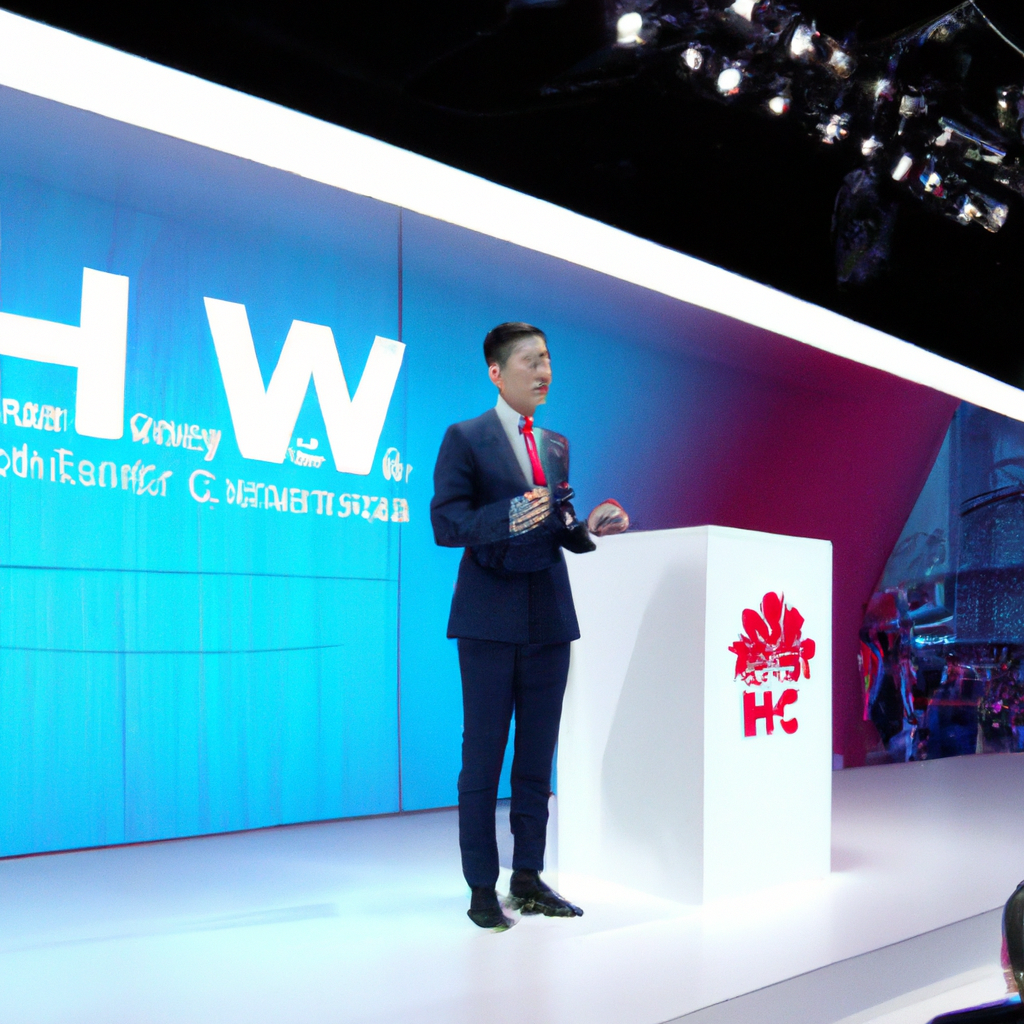
    Revolutionary 5G Innovations Unveiled by Huawei at MWC Shanghai, Paving the Way for a New Era of Connectivity
    Revolutionary 5G Innovations Unveiled by Huawei at MWC Shanghai, Paving the Way for a New Era of Connectivity

    The Mobile World Congress (MWC) Shanghai is a highly anticipated event in the tech industry, where companies showcase their latest innovations and advancements. This year, Huawei, a global leader in telecommunications, unveiled its revolutionary 5G technology, leaving attendees in awe and paving the way for a new era of connectivity.

    With the advent of 5G, the world is on the brink of a technological revolution. Huawei’s groundbreaking innovations in this field have the potential to transform various industries and improve the lives of people around the globe. Let’s explore some of the potential applications of Huawei’s revolutionary 5G technology.

    One of the most exciting prospects of 5G is its impact on the healthcare industry. With its ultra-low latency and high-speed connectivity, 5G can enable remote surgeries and telemedicine, bringing quality healthcare to remote areas. Doctors can perform surgeries from miles away, using robotic arms controlled in real-time, ensuring that patients receive timely and expert care. Additionally, 5G can facilitate the transmission of large medical data files, such as high-resolution images and videos, allowing for more accurate diagnoses and treatment plans.

    Another industry that stands to benefit greatly from Huawei’s 5G technology is transportation. With its ability to support a massive number of connected devices, 5G can revolutionize the way we travel. Autonomous vehicles can communicate with each other and with traffic infrastructure in real-time, ensuring safer and more efficient transportation. Traffic congestion can be minimized, and accidents can be significantly reduced. Moreover, 5G can enable smart transportation systems that optimize routes, reduce fuel consumption, and enhance overall logistics.

    The entertainment industry is also set to undergo a significant transformation with the introduction of 5G. Huawei’s technology can provide ultra-high-definition streaming, virtual reality (VR), and augmented reality (AR) experiences like never before. Users can enjoy seamless streaming of 4K and 8K content, immersing themselves in a world of stunning visuals and lifelike experiences. Furthermore, 5G can enhance live events by enabling real-time VR and AR interactions, allowing audiences to feel like they are part of the action, even if they are miles away.

    The Internet of Things (IoT) is another area where Huawei’s 5G technology can make a profound impact. With its ability to connect billions of devices simultaneously, 5G can create a truly interconnected world. Smart homes, smart cities, and smart industries can become a reality, where devices communicate with each other, making our lives more convenient and efficient. From smart appliances that can be controlled remotely to intelligent energy grids that optimize power consumption, the possibilities are endless.

    In conclusion, Huawei’s revolutionary 5G technology showcased at MWC Shanghai has the potential to transform various industries and pave the way for a new era of connectivity. From healthcare to transportation, entertainment to IoT, the applications of 5G are vast and promising. As we embrace this new technology, we can look forward to a future where connectivity is faster, more reliable, and more immersive than ever before. Huawei’s innovations are set to shape this future, bringing us closer to a world where everything and everyone is connected.

    How Huawei’s 5G Innovations are Transforming the Future of Communication

    Revolutionary 5G Innovations Unveiled by Huawei at MWC Shanghai, Paving the Way for a New Era of Connectivity

    The future of communication is rapidly evolving, and Huawei is at the forefront of this transformation with its groundbreaking 5G innovations. At the recent Mobile World Congress (MWC) Shanghai, Huawei unveiled a range of revolutionary technologies that are set to redefine the way we connect and communicate.

    One of the key highlights of Huawei’s 5G innovations is its ultra-fast download speeds. With 5G, users can expect download speeds of up to 10 gigabits per second, which is a significant improvement over the current 4G technology. This means that downloading large files, streaming high-definition videos, and playing online games will become seamless and instantaneous.

    In addition to faster download speeds, Huawei’s 5G innovations also promise lower latency. Latency refers to the time it takes for data to travel from one point to another. With 5G, latency is expected to be reduced to as low as one millisecond, which is almost imperceptible to the human eye. This means that activities that require real-time responsiveness, such as online gaming and autonomous driving, will become much more reliable and efficient.

    Another exciting aspect of Huawei’s 5G innovations is its ability to support a massive number of connected devices. With the Internet of Things (IoT) becoming increasingly prevalent, there is a growing need for a network that can handle the vast number of devices that are connected to it. Huawei’s 5G technology can support up to one million devices per square kilometer, making it ideal for smart cities, industrial automation, and other IoT applications.

    Furthermore, Huawei’s 5G innovations also offer improved network reliability and coverage. With 5G, users can expect a more stable and consistent connection, even in crowded areas or remote locations. This is achieved through advanced beamforming technology, which allows the network to focus its signal towards specific devices, ensuring a stronger and more reliable connection.

    Huawei’s 5G innovations are not just limited to improving connectivity for consumers. They also have the potential to revolutionize industries such as healthcare, transportation, and manufacturing. For example, in the healthcare sector, 5G can enable remote surgeries and real-time monitoring of patients, leading to improved access to healthcare services and better patient outcomes.

    In the transportation industry, 5G can enable autonomous vehicles to communicate with each other and with the surrounding infrastructure, making transportation safer and more efficient. Similarly, in the manufacturing sector, 5G can enable the implementation of smart factories, where machines and equipment can communicate and coordinate with each other, leading to increased productivity and reduced downtime.

    Overall, Huawei’s 5G innovations are set to transform the future of communication. With faster download speeds, lower latency, support for a massive number of connected devices, improved network reliability and coverage, and the potential to revolutionize various industries, 5G is paving the way for a new era of connectivity. As Huawei continues to push the boundaries of what is possible with 5G, we can expect to see even more exciting innovations that will shape the way we connect and communicate in the years to come.

    Unveiling Huawei’s Groundbreaking 5G Innovations at MWC Shanghai: A Game-Changer in Connectivity

    Revolutionary 5G Innovations Unveiled by Huawei at MWC Shanghai, Paving the Way for a New Era of Connectivity

    The Mobile World Congress (MWC) Shanghai is one of the most anticipated events in the tech industry, where companies showcase their latest innovations and set the stage for the future of connectivity. This year, Huawei, a global leader in telecommunications, unveiled its groundbreaking 5G innovations, which are set to revolutionize the way we connect and communicate.

    At the heart of Huawei’s 5G innovations is the promise of faster and more reliable connectivity. With 5G, users can expect download speeds of up to 10 gigabits per second, which is 100 times faster than the current 4G technology. This means that downloading a high-definition movie will take just a few seconds, and streaming 4K videos will be seamless and buffer-free.

    But it’s not just about speed. Huawei’s 5G innovations also bring with them lower latency, which is the time it takes for data to travel from one point to another. With 5G, latency is reduced to just a few milliseconds, making real-time applications like virtual reality, augmented reality, and autonomous vehicles a reality. Imagine being able to control a drone in real-time or having a virtual meeting with colleagues from around the world, all with minimal delay.

    Another key aspect of Huawei’s 5G innovations is the ability to connect more devices simultaneously. With the Internet of Things (IoT) becoming increasingly prevalent, our homes, cities, and industries are becoming more connected than ever before. Huawei’s 5G technology can support up to one million devices per square kilometer, enabling a truly interconnected world. This opens up a world of possibilities, from smart homes and cities to industrial automation and remote healthcare.

    But what sets Huawei’s 5G innovations apart from the competition is its commitment to sustainability. Huawei is dedicated to reducing its carbon footprint and has developed energy-efficient solutions that minimize power consumption. By optimizing network resources and implementing intelligent algorithms, Huawei’s 5G technology ensures that energy is used efficiently, reducing both costs and environmental impact.

    Furthermore, Huawei’s 5G innovations are designed to be future-proof. As technology continues to evolve, Huawei’s 5G networks can seamlessly integrate with emerging technologies like artificial intelligence and edge computing. This means that as new applications and services emerge, Huawei’s 5G networks will be able to support them, ensuring that users always have access to the latest innovations.

    The unveiling of Huawei’s groundbreaking 5G innovations at MWC Shanghai marks a significant milestone in the journey towards a new era of connectivity. With faster speeds, lower latency, and the ability to connect more devices, Huawei’s 5G technology is set to transform industries, revolutionize the way we live and work, and pave the way for a truly connected world.

    As we look to the future, it is clear that Huawei’s 5G innovations will play a crucial role in shaping the way we connect and communicate. With its commitment to sustainability and future-proof design, Huawei is leading the way in the 5G revolution. The possibilities are endless, and the future of connectivity has never looked brighter.

    Q&A

    1. What were the revolutionary 5G innovations unveiled by Huawei at MWC Shanghai?
    Huawei unveiled innovations such as the world’s first 5G-enabled 8K TV, 5G CPE Pro 2, 5G Super Uplink, and 5G Booklet.

    2. How do these innovations pave the way for a new era of connectivity?
    These innovations enable faster and more reliable connectivity, enhanced multimedia experiences, and improved network efficiency, thus paving the way for a new era of connectivity.

    3. What is the significance of the world’s first 5G-enabled 8K TV?
    The world’s first 5G-enabled 8K TV allows for ultra-high-definition content streaming over 5G networks, providing users with an immersive viewing experience.

    4. What is 5G Super Uplink and its importance?
    5G Super Uplink is a technology that combines the uplink spectrum of both 2.1 GHz and 3.5 GHz, resulting in improved uplink speed and capacity. This technology is important for applications that require high uplink bandwidth, such as cloud gaming and virtual reality.In conclusion, Huawei unveiled revolutionary 5G innovations at MWC Shanghai, which are expected to pave the way for a new era of connectivity. These innovations demonstrate Huawei’s commitment to advancing the development and deployment of 5G technology, enabling faster and more reliable connections for various industries and applications. With these advancements, Huawei is poised to play a significant role in shaping the future of connectivity and driving the digital transformation across the globe.


  • Projected Satellite Phone Market to Reach $18 Billion by 2027

    Projected Satellite Phone Market to Reach $18 Billion by 2027

    Projected Satellite Phone Market to Reach $18 Billion by 2027

    The projected satellite phone market is expected to reach $18 billion by 2027.

    Emerging Trends in the Projected Satellite Phone Market

    The satellite phone market has been steadily growing over the past few years, and it is projected to reach a value of $18 billion by 2027. This growth can be attributed to several emerging trends that are shaping the industry.

    One of the key trends driving the satellite phone market is the increasing demand for reliable communication in remote areas. As more people venture into remote locations for work or leisure, the need for a reliable means of communication becomes crucial. Satellite phones provide a lifeline in these areas where traditional cellular networks are unavailable. This trend is expected to continue as more industries, such as oil and gas exploration, mining, and adventure tourism, expand their operations in remote locations.

    Another trend that is driving the satellite phone market is the growing adoption of satellite phones in emergency response and disaster management. During natural disasters or emergencies, traditional communication networks can be severely impacted or completely destroyed. In such situations, satellite phones provide a reliable means of communication for emergency responders and affected individuals. Governments and organizations are recognizing the importance of satellite phones in disaster management and are investing in these devices to enhance their emergency response capabilities.

    Furthermore, the increasing popularity of satellite phones among outdoor enthusiasts and adventure travelers is contributing to the growth of the market. These individuals often engage in activities such as hiking, mountaineering, and sailing, where cellular coverage is limited or non-existent. Satellite phones offer them a reliable means of communication, ensuring their safety and providing peace of mind. The rise in adventure tourism and the growing interest in outdoor activities are expected to drive the demand for satellite phones in the coming years.

    Additionally, advancements in satellite phone technology are also fueling the growth of the market. Manufacturers are constantly innovating to improve the performance, reliability, and affordability of satellite phones. Newer models are more compact, lightweight, and offer enhanced features such as GPS tracking and messaging capabilities. These advancements are making satellite phones more accessible to a wider range of users, further driving the market growth.

    Moreover, the increasing affordability of satellite phone services is also contributing to the market’s expansion. In the past, satellite phone services were expensive, making them inaccessible to many individuals and organizations. However, with advancements in technology and increased competition among service providers, the cost of satellite phone services has significantly decreased. This affordability factor is attracting more users, including small businesses and individuals, to invest in satellite phones.

    In conclusion, the projected satellite phone market is expected to reach $18 billion by 2027, driven by several emerging trends. The demand for reliable communication in remote areas, the adoption of satellite phones in emergency response and disaster management, the popularity among outdoor enthusiasts, advancements in technology, and the increasing affordability of satellite phone services are all contributing to the market’s growth. As these trends continue to shape the industry, the satellite phone market is poised for significant expansion in the coming years.

    Factors Driving the Growth of the Projected Satellite Phone Market

    Projected Satellite Phone Market to Reach $18 Billion by 2027
    The satellite phone market is expected to experience significant growth in the coming years, with projections indicating that it will reach a value of $18 billion by 2027. This growth can be attributed to several factors that are driving the demand for satellite phones.

    One of the key factors driving the growth of the projected satellite phone market is the increasing need for reliable communication in remote areas. In many parts of the world, traditional communication infrastructure is lacking or nonexistent, making it difficult for people to stay connected. Satellite phones provide a solution to this problem by allowing users to make calls and send messages from anywhere in the world, regardless of whether there is cellular coverage or not. This is particularly important for industries such as oil and gas, mining, and maritime, where workers often operate in remote locations.

    Another factor contributing to the growth of the satellite phone market is the rising demand for emergency communication services. During natural disasters or other emergencies, traditional communication networks can become overloaded or damaged, making it difficult for people to reach out for help. Satellite phones, on the other hand, are not dependent on terrestrial infrastructure and can provide a lifeline in these situations. As a result, governments, relief organizations, and individuals are increasingly recognizing the importance of having satellite phones as part of their emergency preparedness plans.

    Furthermore, the growing popularity of outdoor activities and adventure tourism is also fueling the demand for satellite phones. More and more people are venturing into remote and challenging environments for recreational purposes, such as hiking, mountaineering, and sailing. In these situations, having a reliable means of communication is crucial for safety and peace of mind. Satellite phones offer a reliable and robust communication option, allowing outdoor enthusiasts to stay connected with their loved ones or call for help if needed.

    Additionally, the increasing adoption of satellite phones in the defense and military sectors is contributing to the market’s growth. Military operations often take place in remote and hostile environments where traditional communication networks may not be available or secure. Satellite phones provide a secure and encrypted communication channel, ensuring that sensitive information remains confidential. As defense budgets continue to rise, the demand for satellite phones in the military sector is expected to increase significantly.

    Lastly, advancements in satellite technology are driving the growth of the projected satellite phone market. Satellites are becoming smaller, more powerful, and more affordable, making it easier for satellite phone manufacturers to develop and offer innovative products. These advancements have also led to improvements in call quality, data transfer speeds, and battery life, further enhancing the user experience.

    In conclusion, the projected satellite phone market is expected to reach $18 billion by 2027, driven by various factors. The need for reliable communication in remote areas, the demand for emergency communication services, the popularity of outdoor activities, the adoption in the defense sector, and advancements in satellite technology are all contributing to the market’s growth. As the world becomes increasingly interconnected, satellite phones are playing a vital role in ensuring that people can stay connected no matter where they are.

    Key Players and Competition in the Projected Satellite Phone Market

    The projected satellite phone market is expected to reach a staggering $18 billion by the year 2027. This growth can be attributed to several key players in the industry who are constantly innovating and improving their products. These companies are facing stiff competition as more players enter the market, but they are well-positioned to maintain their dominance.

    One of the key players in the projected satellite phone market is Iridium Communications Inc. This company has been a leader in the industry for many years and has a strong presence in both the commercial and government sectors. They offer a wide range of satellite phone products and services, including voice and data communication solutions. With their extensive network of satellites and ground infrastructure, Iridium is able to provide reliable and secure communication services to customers around the world.

    Another major player in the market is Globalstar Inc. Like Iridium, Globalstar offers a variety of satellite phone solutions for both commercial and government customers. They have a strong focus on providing affordable and reliable communication services, making them a popular choice for many users. Globalstar’s satellite network covers most of the Earth’s surface, ensuring that customers can stay connected even in remote and challenging environments.

    In addition to these established players, there are several new entrants in the projected satellite phone market. One such company is SpaceX, founded by Elon Musk. SpaceX is known for its ambitious projects, including the development of a satellite constellation called Starlink. This constellation aims to provide global broadband coverage, including satellite phone services. While SpaceX is still in the early stages of deploying its satellite network, it has the potential to disrupt the market and challenge the dominance of established players.

    Competition in the projected satellite phone market is fierce, with companies constantly striving to improve their products and services. This competition is driving innovation and leading to the development of new technologies. For example, companies are working on improving the size and weight of satellite phones, making them more portable and user-friendly. They are also investing in advanced features such as better battery life and enhanced data transmission capabilities.

    To stay ahead in this competitive market, companies are also focusing on expanding their customer base. They are targeting industries such as oil and gas, maritime, and aviation, where reliable communication is crucial. By offering tailored solutions for these industries, companies can attract new customers and increase their market share.

    In conclusion, the projected satellite phone market is set to reach $18 billion by 2027. Key players such as Iridium Communications Inc. and Globalstar Inc. are leading the industry with their innovative products and services. However, they face competition from new entrants like SpaceX, who are disrupting the market with their ambitious projects. To stay ahead, companies are investing in research and development, improving their products, and targeting specific industries. With the constant drive for innovation and the increasing demand for reliable communication services, the projected satellite phone market is poised for significant growth in the coming years.

    Opportunities and Challenges in the Projected Satellite Phone Market

    The satellite phone market has been steadily growing over the years, and it is projected to reach a value of $18 billion by 2027. This growth can be attributed to the increasing demand for reliable communication in remote areas, as well as the advancements in satellite technology. However, along with the opportunities, there are also several challenges that need to be addressed in order to fully tap into the potential of the projected satellite phone market.

    One of the main opportunities in the projected satellite phone market is the growing need for communication in remote areas. In many parts of the world, especially in developing countries, there is limited or no access to traditional communication infrastructure such as landlines or cellular networks. Satellite phones provide a reliable means of communication in these areas, allowing people to stay connected even in the most remote locations. This presents a huge market potential for satellite phone manufacturers and service providers.

    Another opportunity in the projected satellite phone market is the increasing demand for emergency communication. During natural disasters or other emergencies, traditional communication networks are often disrupted, making it difficult for people to reach out for help. Satellite phones can provide a lifeline in these situations, enabling individuals to call for assistance and coordinate relief efforts. As the frequency and intensity of natural disasters continue to rise, the demand for satellite phones as emergency communication tools is expected to grow.

    However, along with these opportunities, there are also several challenges that need to be addressed in order to fully tap into the potential of the projected satellite phone market. One of the main challenges is the high cost of satellite phones and services. Compared to traditional cellular phones, satellite phones are significantly more expensive, making them less accessible to a large portion of the population. In order to expand the market, manufacturers and service providers need to find ways to reduce the cost of satellite phones and make them more affordable for the masses.

    Another challenge in the projected satellite phone market is the limited coverage area. While satellite phones can provide communication in remote areas, they are still subject to certain limitations. For example, satellite signals can be blocked by tall buildings or dense vegetation, limiting their effectiveness in urban or heavily forested areas. In order to overcome this challenge, satellite phone companies need to invest in improving the coverage and reliability of their networks, ensuring that users can have access to communication regardless of their location.

    Furthermore, there is also the challenge of competition from alternative communication technologies. With the rapid advancements in cellular networks and the increasing availability of internet connectivity, satellite phones face competition from traditional cellular phones and internet-based communication platforms. In order to stay relevant in the market, satellite phone companies need to continuously innovate and offer unique features and services that cannot be easily replicated by their competitors.

    In conclusion, the projected satellite phone market presents significant opportunities for growth, driven by the increasing demand for communication in remote areas and the need for emergency communication. However, in order to fully tap into this potential, the challenges of high cost, limited coverage, and competition need to be addressed. By overcoming these challenges, satellite phone manufacturers and service providers can unlock the full potential of the projected satellite phone market and provide reliable communication solutions to people around the world.

    Q&A

    1. What is the projected size of the satellite phone market by 2027?
    The projected size of the satellite phone market by 2027 is $18 billion.

    2. When is the projected timeframe for the satellite phone market to reach $18 billion?
    The satellite phone market is projected to reach $18 billion by 2027.

    3. What is the estimated market value of the satellite phone industry?
    The estimated market value of the satellite phone industry is $18 billion.

    4. What is the expected growth rate of the satellite phone market?
    The expected growth rate of the satellite phone market is not provided in the given information.The projected satellite phone market is expected to reach $18 billion by 2027.

  • Report: Dish considering merger with EchoStar

    Report: Dish considering merger with EchoStar

    “Unifying Entertainment: Dish and EchoStar Explore Merger Possibilities”

    Dish Network, a leading satellite television provider, is reportedly considering a potential merger with EchoStar, a global satellite communication solutions provider. This report explores the possibility of a merger between the two companies and its potential implications for the industry.

    Potential Benefits of a Dish-EchoStar Merger

    A potential merger between Dish Network and EchoStar has been making headlines recently, and many industry experts are weighing in on the potential benefits of such a move. While mergers can often be complex and challenging, there are several potential advantages that could arise from a Dish-EchoStar merger.

    One of the most significant benefits of a merger between Dish and EchoStar is the potential for increased market power. By combining their resources and customer bases, the merged company would have a stronger position in the highly competitive pay-TV industry. This increased market power could lead to improved negotiating leverage with content providers, resulting in better programming options and potentially lower costs for consumers.

    Another potential benefit of a merger is the opportunity for cost savings through synergies. Dish and EchoStar both operate in the satellite television industry, and a merger would allow for the consolidation of operations and the elimination of duplicate functions. This could result in significant cost savings for the merged company, which could be passed on to consumers in the form of lower prices or reinvested in the business to drive innovation and growth.

    In addition to cost savings, a merger could also lead to increased investment in technology and infrastructure. Both Dish and EchoStar have been investing heavily in the development of new technologies, such as 5G wireless networks and satellite internet services. By combining their resources, the merged company would have a larger pool of capital to invest in these technologies, potentially accelerating their development and deployment. This could result in improved service offerings for customers and increased competition in the telecommunications industry.

    Furthermore, a merger could also lead to improved customer service and support. Dish and EchoStar both have extensive customer service operations, and a merger would allow for the consolidation of these functions. This could result in a more streamlined and efficient customer service experience, with shorter wait times and faster issue resolution. Additionally, the merged company could leverage its increased scale to invest in new technologies and tools to further enhance the customer experience.

    Finally, a merger between Dish and EchoStar could also have positive implications for the broader telecommunications industry. The combined company would be better positioned to compete with industry giants such as AT&T and Comcast, potentially fostering increased competition and innovation in the market. This could lead to improved service offerings, lower prices, and increased choice for consumers.

    While a merger between Dish and EchoStar would undoubtedly present challenges and complexities, there are several potential benefits that could arise from such a move. Increased market power, cost savings through synergies, increased investment in technology and infrastructure, improved customer service, and enhanced competition in the telecommunications industry are just a few of the potential advantages. As the industry continues to evolve and competition intensifies, a merger between Dish and EchoStar could be a strategic move to position the merged company for long-term success.

    Challenges and Risks of a Dish-EchoStar Merger

    Report: Dish considering merger with EchoStar
    A potential merger between Dish Network and EchoStar has been making headlines recently, with reports suggesting that Dish is seriously considering the move. While a merger of this magnitude could have significant benefits for both companies, it is not without its challenges and risks.

    One of the main challenges that Dish and EchoStar would face in a merger is the integration of their respective technologies and infrastructure. Dish is known for its satellite television service, while EchoStar specializes in satellite communication solutions. Bringing these two companies together would require a careful assessment of their existing systems and finding ways to harmonize them. This could be a complex and time-consuming process, as it would involve aligning different technologies and ensuring seamless compatibility.

    Another challenge that a Dish-EchoStar merger would present is the potential for regulatory hurdles. The telecommunications industry is heavily regulated, and any merger of this scale would undoubtedly attract the attention of regulatory bodies. Dish and EchoStar would need to navigate through a complex web of regulations and obtain the necessary approvals to proceed with the merger. This could involve lengthy negotiations and potentially even concessions to address any antitrust concerns.

    Furthermore, a merger of this nature would also bring about significant financial risks. Merging two companies requires substantial financial resources, and Dish and EchoStar would need to carefully consider the financial implications of such a move. They would need to assess the costs associated with integrating their operations, as well as any potential synergies that could be achieved. Additionally, the merger would likely involve significant debt financing, which could increase the financial burden on the combined entity.

    In addition to these challenges, a Dish-EchoStar merger would also carry certain risks for both companies. One of the key risks is the potential for cultural clashes and integration issues. Merging two organizations with different corporate cultures can be a delicate process, and if not managed effectively, it could lead to employee dissatisfaction and a loss of productivity. Dish and EchoStar would need to invest time and effort into ensuring a smooth integration of their teams and fostering a cohesive work environment.

    Another risk that both companies would need to consider is the potential impact on their customer base. Dish and EchoStar have established customer relationships and brand identities, and a merger could disrupt these relationships. Customers may be hesitant to embrace the changes that come with a merger, and there is a risk of losing customers to competitors as a result. Dish and EchoStar would need to carefully manage their communication and marketing strategies to reassure their customers and retain their loyalty.

    In conclusion, while a merger between Dish Network and EchoStar holds great potential, it is not without its challenges and risks. The integration of technologies, navigating regulatory hurdles, managing financial implications, addressing cultural clashes, and retaining customers are all significant considerations that both companies would need to carefully evaluate. A successful merger would require careful planning, effective execution, and a commitment to addressing these challenges and risks head-on. Only time will tell if Dish and EchoStar can overcome these obstacles and create a stronger, more competitive entity through their merger.

    Impact of a Dish-EchoStar Merger on the Satellite TV Industry

    A recent report has revealed that Dish Network, one of the leading satellite TV providers in the United States, is considering a merger with EchoStar, another major player in the industry. This potential merger has sparked a lot of interest and speculation about its impact on the satellite TV industry as a whole.

    First and foremost, a merger between Dish and EchoStar would create a behemoth in the satellite TV market. Both companies have a significant customer base and a strong presence in the industry. By combining their resources and expertise, they would be able to offer a wider range of services and potentially reach a larger audience.

    One of the key advantages of a merger would be the increased bargaining power that the combined entity would have with content providers. Currently, Dish and EchoStar negotiate separately with networks and studios for the rights to broadcast their content. However, if they were to merge, they would be able to negotiate as a single entity, giving them more leverage in these negotiations. This could potentially result in better deals for the merged company, which could then be passed on to the consumers in the form of lower prices or more content options.

    Another potential impact of a merger would be the increased competition it would bring to the satellite TV industry. Currently, Dish and EchoStar are two of the main players in the market, along with DirecTV. However, a merger between Dish and EchoStar would create a stronger competitor that could challenge the dominance of DirecTV. This increased competition could lead to more innovation and better services for consumers, as the companies strive to differentiate themselves from one another.

    However, there are also concerns about the potential negative impact of a merger on the satellite TV industry. One of the main concerns is the potential for reduced competition. If Dish and EchoStar were to merge, it would result in one less player in the market, which could lead to less choice and potentially higher prices for consumers. This is a valid concern, as a lack of competition often leads to a decrease in consumer benefits.

    Furthermore, a merger between Dish and EchoStar could also have implications for the employees of both companies. Mergers often result in redundancies as the companies streamline their operations and eliminate duplicate roles. This could potentially lead to job losses and uncertainty for the employees of both Dish and EchoStar. However, it is worth noting that mergers can also create new opportunities and synergies, which could result in job creation in other areas.

    In conclusion, a potential merger between Dish and EchoStar has the potential to significantly impact the satellite TV industry. It could lead to increased competition, better deals for consumers, and more innovation. However, there are also concerns about reduced competition and potential job losses. Ultimately, the impact of a merger would depend on how it is executed and the strategies adopted by the merged entity. Only time will tell what the future holds for the satellite TV industry and whether a Dish-EchoStar merger will become a reality.

    Analysis of the Financial Implications of a Dish-EchoStar Merger

    A recent report has revealed that Dish Network is considering a merger with EchoStar, a move that could have significant financial implications for both companies. This article will analyze the potential financial benefits and risks of such a merger.

    Firstly, a merger between Dish and EchoStar could result in cost savings and increased efficiency. By combining their operations, the two companies could eliminate duplicate functions and streamline their processes. This could lead to reduced operating expenses and improved profitability. Additionally, the merged entity would have a larger customer base, which could result in economies of scale and increased bargaining power with suppliers.

    Furthermore, a merger could provide Dish and EchoStar with the opportunity to diversify their revenue streams. Currently, both companies primarily rely on their satellite television businesses. However, the media landscape is rapidly evolving, with the rise of streaming services and cord-cutting. By joining forces, Dish and EchoStar could leverage their combined resources to enter new markets and explore alternative revenue sources. This could help them stay competitive in an increasingly digital world.

    On the other hand, there are also potential risks associated with a merger. One major concern is the integration process. Merging two large companies is a complex undertaking that requires careful planning and execution. If not managed effectively, the integration could result in disruptions to operations and customer service, which could negatively impact financial performance. Additionally, there may be cultural differences between the two organizations that could pose challenges during the integration process.

    Another risk to consider is the potential for regulatory hurdles. The telecommunications industry is heavily regulated, and any merger between Dish and EchoStar would likely face scrutiny from regulatory authorities. This could result in delays and additional costs associated with obtaining necessary approvals. Moreover, there is a possibility that regulators may impose conditions or restrictions on the merged entity, which could impact its ability to achieve the anticipated financial benefits.

    Additionally, a merger could also have implications for the companies’ shareholders. In the short term, the announcement of a merger could lead to increased volatility in the stock prices of both Dish and EchoStar. Shareholders may be uncertain about the potential impact of the merger on their investments, which could result in selling pressure. However, if the merger is successful and the anticipated financial benefits materialize, shareholders could stand to gain in the long run.

    In conclusion, a merger between Dish Network and EchoStar could have significant financial implications for both companies. While there are potential benefits such as cost savings, increased efficiency, and diversification of revenue streams, there are also risks to consider, including the integration process and regulatory hurdles. Shareholders will need to carefully evaluate the potential impact on their investments. Ultimately, the success of a merger will depend on the ability of Dish and EchoStar to effectively navigate these challenges and capitalize on the opportunities presented by combining their operations.

    Q&A

    1. What is the report about?
    The report is about Dish considering a merger with EchoStar.

    2. Who is considering the merger?
    Dish is considering the merger.

    3. Who is Dish?
    Dish is a satellite television provider in the United States.

    4. Who is EchoStar?
    EchoStar is a satellite communication company that provides services to Dish.In conclusion, Dish Network is reportedly considering a merger with EchoStar.

  • Enhanced 5G Uplink Trial Utilizing Third Transmit Antenna

    Enhanced 5G Uplink Trial Utilizing Third Transmit Antenna

    “Unleashing the Power of Enhanced 5G Uplink: Experience Lightning-Fast Connectivity with Our Third Transmit Antenna Trial”

    The introduction of Enhanced 5G Uplink Trial Utilizing Third Transmit Antenna refers to a trial conducted to explore the potential benefits of utilizing a third transmit antenna in the uplink transmission of 5G networks. This trial aims to enhance the uplink performance and capacity of 5G networks by leveraging the additional antenna for improved signal quality and increased data rates. By evaluating the impact of this enhancement, researchers and industry experts can gain valuable insights into the feasibility and effectiveness of utilizing a third transmit antenna in 5G uplink transmission.

    Benefits of Enhanced 5G Uplink Trial Utilizing Third Transmit Antenna

    The enhanced 5G uplink trial utilizing a third transmit antenna has brought about numerous benefits in the field of telecommunications. This innovative technology has revolutionized the way data is transmitted, offering faster and more reliable connections for users. In this article, we will explore some of the key advantages of this enhanced 5G uplink trial.

    First and foremost, the addition of a third transmit antenna has significantly increased the capacity of the uplink channel. This means that more data can be transmitted simultaneously, resulting in faster upload speeds for users. This is particularly beneficial in scenarios where large files need to be uploaded, such as when sharing high-resolution images or videos. With the enhanced 5G uplink trial, users can now enjoy a seamless and efficient uploading experience.

    Furthermore, the enhanced 5G uplink trial has also improved the reliability of the uplink connection. By utilizing a third transmit antenna, the technology is able to mitigate interference and enhance signal strength. This is especially important in areas with high network congestion, where multiple devices are competing for bandwidth. With the enhanced 5G uplink trial, users can expect a more stable and consistent connection, even in crowded environments.

    Another significant benefit of the enhanced 5G uplink trial is its impact on latency. Latency refers to the delay between the transmission of data from a user’s device to its reception at the destination. With the addition of a third transmit antenna, the enhanced 5G uplink trial has been able to reduce latency, resulting in a more responsive and real-time experience for users. This is particularly crucial in applications that require low latency, such as online gaming or video conferencing, where even the slightest delay can have a significant impact on user experience.

    Moreover, the enhanced 5G uplink trial has also improved the overall coverage of the uplink connection. By utilizing a third transmit antenna, the technology is able to extend the reach of the uplink signal, ensuring that users in remote or hard-to-reach areas can still enjoy a reliable connection. This is particularly beneficial in rural or underserved areas, where access to high-speed internet has traditionally been limited. With the enhanced 5G uplink trial, users in these areas can now have access to the same level of connectivity as their urban counterparts.

    In conclusion, the enhanced 5G uplink trial utilizing a third transmit antenna has brought about numerous benefits in the field of telecommunications. From increased capacity and improved reliability to reduced latency and extended coverage, this innovative technology has revolutionized the way data is transmitted. As we continue to push the boundaries of connectivity, the enhanced 5G uplink trial paves the way for a future where fast and reliable connections are accessible to all.

    Technical Details and Implementation of Third Transmit Antenna in 5G Uplink Trial

    Enhanced 5G Uplink Trial Utilizing Third Transmit Antenna
    Enhanced 5G Uplink Trial Utilizing Third Transmit Antenna

    The implementation of a third transmit antenna in 5G uplink trials has shown promising results in enhancing the performance and efficiency of the network. This article will delve into the technical details and implementation of this innovative approach, providing insights into how it can revolutionize the way we experience mobile connectivity.

    To understand the significance of the third transmit antenna, it is crucial to first grasp the basics of 5G uplink technology. In a traditional uplink scenario, a user device communicates with a base station using a single transmit antenna. This limits the capacity and efficiency of the network, especially in high-density areas where multiple devices are simultaneously trying to connect.

    The introduction of a third transmit antenna addresses this limitation by enabling multiple-input multiple-output (MIMO) technology. MIMO utilizes multiple antennas at both the transmitter and receiver to improve data throughput and reliability. By adding a third transmit antenna, the uplink capacity is significantly increased, allowing for faster and more reliable connections.

    The implementation of the third transmit antenna involves several technical considerations. One of the key challenges is ensuring that the antennas are properly spaced to avoid interference. This requires careful planning and optimization to achieve optimal performance. Additionally, the antennas need to be synchronized to ensure coherent transmission, which is crucial for maintaining the integrity of the signal.

    Another important aspect of the implementation is the use of advanced signal processing techniques. These techniques help mitigate the effects of multipath propagation, which occurs when signals take multiple paths due to reflections and obstructions. By intelligently processing the received signals, the system can extract the desired information and improve the overall performance of the network.

    The benefits of utilizing a third transmit antenna in 5G uplink trials are manifold. Firstly, it allows for higher data rates, enabling users to experience faster upload speeds and reduced latency. This is particularly beneficial for applications that require real-time communication, such as video conferencing and online gaming.

    Secondly, the increased capacity provided by the third transmit antenna enables better network efficiency, especially in crowded areas. With more antennas available, the base station can serve multiple users simultaneously, reducing congestion and improving overall network performance. This is particularly important in urban environments where the demand for connectivity is high.

    Furthermore, the implementation of the third transmit antenna opens up new possibilities for network optimization and resource allocation. By intelligently allocating resources based on the channel conditions and user requirements, the network can achieve better spectral efficiency and improved user experience. This is a significant step towards realizing the full potential of 5G technology.

    In conclusion, the implementation of a third transmit antenna in 5G uplink trials holds great promise for enhancing the performance and efficiency of mobile networks. By leveraging MIMO technology and advanced signal processing techniques, this innovative approach enables higher data rates, improved network capacity, and better resource allocation. As we continue to push the boundaries of mobile connectivity, the utilization of a third transmit antenna represents a significant milestone in the evolution of 5G technology.

    Performance Evaluation and Results of Enhanced 5G Uplink Trial with Third Transmit Antenna

    The performance evaluation and results of an enhanced 5G uplink trial with a third transmit antenna have shown promising outcomes. This trial aimed to explore the potential benefits of utilizing an additional transmit antenna in the uplink transmission of 5G networks. The results of this trial provide valuable insights into the performance enhancements that can be achieved by incorporating a third transmit antenna.

    To evaluate the performance of the enhanced 5G uplink trial, several key metrics were considered. These metrics included the signal-to-interference-plus-noise ratio (SINR), the bit error rate (BER), and the throughput. By analyzing these metrics, the trial aimed to assess the impact of the third transmit antenna on the overall performance of the uplink transmission.

    The trial was conducted in a controlled environment, ensuring that the results obtained were reliable and accurate. Multiple scenarios were considered, including different distances between the user equipment (UE) and the base station (BS), as well as varying levels of interference. This allowed for a comprehensive evaluation of the performance enhancements achieved by the third transmit antenna.

    The results of the trial demonstrated significant improvements in the performance of the uplink transmission when utilizing a third transmit antenna. The SINR values were consistently higher with the third transmit antenna, indicating a stronger and more reliable signal reception at the base station. This improvement in SINR directly translated into a lower BER, as the received signal was less prone to errors and interference.

    Furthermore, the trial also showed a notable increase in throughput when the third transmit antenna was employed. The additional antenna allowed for a more efficient utilization of the available spectrum, resulting in higher data rates and improved overall network capacity. This increase in throughput is particularly significant in scenarios with high user density or heavy network traffic, where the demand for data transmission is at its peak.

    The trial results also highlighted the importance of antenna placement and configuration. The positioning of the third transmit antenna played a crucial role in achieving optimal performance enhancements. By carefully selecting the location and orientation of the additional antenna, the trial was able to maximize the benefits of the third transmit antenna.

    Overall, the performance evaluation and results of the enhanced 5G uplink trial with a third transmit antenna demonstrate the potential of this technology to significantly enhance the uplink transmission in 5G networks. The improvements in SINR, BER, and throughput indicate a more reliable and efficient data transmission, which is crucial for meeting the increasing demands of modern communication systems.

    These findings have important implications for the future development and deployment of 5G networks. The incorporation of a third transmit antenna in the uplink transmission can greatly enhance the overall performance and capacity of these networks. This technology has the potential to revolutionize various industries, including telecommunications, healthcare, transportation, and more.

    In conclusion, the enhanced 5G uplink trial utilizing a third transmit antenna has shown promising results in terms of performance enhancements. The improvements in SINR, BER, and throughput highlight the potential benefits of incorporating an additional transmit antenna in the uplink transmission of 5G networks. These findings pave the way for further research and development in this area, ultimately leading to more efficient and reliable communication systems in the future.

    Future Implications and Potential Applications of Enhanced 5G Uplink with Third Transmit Antenna

    The development of 5G technology has brought about significant advancements in wireless communication. With its faster speeds, lower latency, and increased capacity, 5G has the potential to revolutionize various industries and enable new applications. One area that has seen particular interest is the uplink transmission, which refers to the transfer of data from a user device to the network. To further enhance the uplink capabilities of 5G, researchers have been exploring the use of a third transmit antenna.

    The addition of a third transmit antenna in 5G uplink transmission has the potential to significantly improve the overall performance of the network. By utilizing multiple antennas, a technique known as Multiple-Input Multiple-Output (MIMO), the system can achieve higher data rates and increased reliability. This is particularly important in scenarios where there are high user densities or when users are located in areas with poor signal conditions.

    One of the key advantages of using a third transmit antenna is the improved coverage it provides. With three antennas, the system can create a more focused and directed beam towards the user device, resulting in a stronger and more reliable connection. This is especially beneficial in urban environments where there are numerous obstacles that can cause signal degradation. By using beamforming techniques, the system can steer the beam towards the user, effectively bypassing obstacles and improving the overall signal quality.

    Another potential application of the enhanced 5G uplink with a third transmit antenna is in the Internet of Things (IoT) domain. With the proliferation of IoT devices, there is a growing need for reliable and efficient uplink transmission. These devices often have limited power and processing capabilities, making it crucial to optimize the use of available resources. By utilizing multiple antennas, the system can improve the uplink performance of IoT devices, enabling them to transmit data more efficiently and conserving battery life.

    Furthermore, the enhanced uplink capabilities of 5G with a third transmit antenna can have significant implications for industries such as healthcare and transportation. In healthcare, for example, the ability to transmit high-quality medical data in real-time is crucial for remote patient monitoring and telemedicine applications. With the improved uplink performance, healthcare providers can ensure that vital patient information is transmitted reliably and without delay, enabling timely diagnosis and treatment.

    In the transportation sector, the enhanced uplink capabilities of 5G can enable the development of advanced driver assistance systems and autonomous vehicles. These applications require a constant and reliable exchange of data between vehicles and the network. By utilizing multiple antennas, the system can ensure that the uplink transmission is robust and uninterrupted, enabling vehicles to make informed decisions based on real-time data.

    In conclusion, the enhanced 5G uplink with a third transmit antenna holds great promise for the future of wireless communication. By utilizing multiple antennas and beamforming techniques, the system can improve coverage, reliability, and efficiency. This has significant implications for various industries, including healthcare, transportation, and IoT. As 5G continues to evolve, the use of a third transmit antenna in uplink transmission will likely become more prevalent, enabling new applications and transforming the way we communicate.

    Q&A

    1. What is the purpose of the Enhanced 5G Uplink Trial Utilizing Third Transmit Antenna?
    The purpose is to test and evaluate the performance of an enhanced 5G uplink using a third transmit antenna.

    2. What is the significance of utilizing a third transmit antenna in the trial?
    Using a third transmit antenna can potentially improve the uplink performance of 5G networks by increasing capacity and enhancing signal quality.

    3. What are the expected benefits of the Enhanced 5G Uplink Trial?
    The trial aims to demonstrate improved uplink speeds, reduced latency, and enhanced overall performance in 5G networks.

    4. Who is conducting the Enhanced 5G Uplink Trial Utilizing Third Transmit Antenna?
    The trial is being conducted by researchers, network operators, or telecommunications companies interested in advancing 5G technology.In conclusion, the enhanced 5G uplink trial utilizing a third transmit antenna has shown promising results. The addition of a third transmit antenna has improved the uplink performance, leading to increased data rates and better overall network efficiency. This trial highlights the potential of utilizing multiple transmit antennas to enhance the uplink capabilities of 5G networks, paving the way for improved connectivity and user experience in the future.

  • FCC Refuses to Grant Special Temporary Licenses to T-Mobile, Citing Statute

    FCC Refuses to Grant Special Temporary Licenses to T-Mobile, Citing Statute

    FCC Refuses to Grant Special Temporary Licenses to T-Mobile, Citing Statute: Upholding Regulatory Standards.

    The Federal Communications Commission (FCC) has recently refused to grant special temporary licenses to T-Mobile. This decision was made in accordance with a specific statute, which the FCC cited as the reason for denying the licenses.

    The Impact of FCC’s Decision on T-Mobile’s Operations

    The recent decision by the Federal Communications Commission (FCC) to refuse T-Mobile’s request for special temporary licenses has sent shockwaves through the telecommunications industry. This decision, which was based on a specific statute, has significant implications for T-Mobile’s operations and could potentially hinder the company’s ability to provide uninterrupted service to its customers.

    The FCC’s decision comes as a blow to T-Mobile, as the company had sought these special temporary licenses to address a critical issue with its network infrastructure. T-Mobile had argued that granting these licenses would allow them to quickly and efficiently address network congestion and improve service quality for their customers. However, the FCC, citing a specific statute, determined that T-Mobile did not meet the criteria necessary to be granted these licenses.

    The impact of this decision on T-Mobile’s operations cannot be understated. Without the ability to obtain these special temporary licenses, T-Mobile may face significant challenges in addressing network congestion and providing reliable service to its customers. Network congestion can lead to dropped calls, slow data speeds, and overall poor customer experience. This could result in frustrated customers and potential loss of business for T-Mobile.

    Furthermore, the denial of these licenses could also hinder T-Mobile’s ability to compete with other major wireless carriers in the industry. In an increasingly competitive market, where customers have numerous options for their wireless service, any disruption in service quality can be detrimental to a company’s reputation and bottom line. T-Mobile may find itself at a disadvantage if it is unable to address network congestion and provide reliable service to its customers.

    The FCC’s decision also raises questions about the regulatory environment for the telecommunications industry. Some critics argue that the denial of these licenses highlights a lack of flexibility in the current regulatory framework. They argue that in a rapidly evolving industry, where technological advancements and consumer demands are constantly changing, regulatory agencies should have the ability to adapt and provide necessary support to companies like T-Mobile.

    On the other hand, supporters of the FCC’s decision argue that the denial of these licenses is necessary to uphold the integrity of the regulatory process. They argue that the specific statute cited by the FCC was put in place to ensure fair and equitable distribution of licenses and prevent any potential abuse or favoritism. By adhering to this statute, the FCC is ensuring that the regulatory process remains transparent and unbiased.

    In conclusion, the FCC’s decision to refuse T-Mobile’s request for special temporary licenses has significant implications for the company’s operations. Without these licenses, T-Mobile may face challenges in addressing network congestion and providing reliable service to its customers. This decision also raises questions about the regulatory environment for the telecommunications industry and the need for flexibility in the face of rapid technological advancements. Ultimately, the impact of this decision on T-Mobile’s operations remains to be seen, but it is clear that it will have a lasting effect on the company and its ability to compete in the market.

    Understanding the Statute Cited by FCC in Denying Special Temporary Licenses

    FCC Refuses to Grant Special Temporary Licenses to T-Mobile, Citing Statute
    The Federal Communications Commission (FCC) recently made headlines when it refused to grant special temporary licenses to T-Mobile. This decision was based on a specific statute that the FCC cited as the reason for denying the licenses. Understanding the statute in question is crucial to comprehending the FCC’s decision and its potential implications.

    The statute in question is Section 316 of the Communications Act of 1934. This statute grants the FCC the authority to issue licenses for the use of radio frequencies. It also outlines the criteria that must be met in order for the FCC to grant such licenses. These criteria include ensuring that the public interest, convenience, and necessity are served by the issuance of the license.

    In the case of T-Mobile, the FCC determined that granting the special temporary licenses would not serve the public interest, convenience, and necessity. This decision was based on several factors. Firstly, the FCC considered the potential impact on competition in the wireless market. Granting T-Mobile these licenses could potentially give them an unfair advantage over their competitors, which would not be in the public interest.

    Additionally, the FCC took into account the potential interference that could arise from granting these licenses. Radio frequencies are a finite resource, and the FCC must carefully manage their allocation to avoid interference between different users. Granting T-Mobile these licenses could potentially disrupt the operations of other wireless providers, which would not be in the public interest.

    Furthermore, the FCC considered the potential impact on consumers. Granting T-Mobile these licenses could result in higher prices for wireless services, as the company would have less competition. This would not be in the public interest, as it could harm consumers and limit their choices.

    It is important to note that the FCC’s decision to deny these licenses does not mean that T-Mobile is permanently barred from obtaining them. The denial is specific to the current circumstances and is based on the FCC’s interpretation of the statute. T-Mobile may have the opportunity to reapply for the licenses in the future if they can demonstrate that granting them would serve the public interest, convenience, and necessity.

    The FCC’s decision to deny these licenses has sparked a debate about the role of government regulation in the wireless industry. Some argue that the FCC’s decision is an example of overreach and unnecessary interference in the market. They believe that the government should not be involved in determining which companies can access radio frequencies and that competition should be allowed to dictate the outcome.

    Others, however, support the FCC’s decision, citing the need to protect consumers and ensure fair competition in the wireless market. They argue that without government regulation, larger companies like T-Mobile could potentially dominate the industry, leading to higher prices and limited choices for consumers.

    In conclusion, the FCC’s decision to deny special temporary licenses to T-Mobile was based on a specific statute, Section 316 of the Communications Act of 1934. The FCC determined that granting these licenses would not serve the public interest, convenience, and necessity due to potential impacts on competition, interference, and consumer welfare. This decision has sparked a debate about the role of government regulation in the wireless industry and the balance between competition and consumer protection.

    Exploring the Potential Legal Ramifications of FCC’s Refusal

    The Federal Communications Commission (FCC) recently made headlines when it refused to grant special temporary licenses to T-Mobile, citing a specific statute. This decision has raised questions about the potential legal ramifications and implications for both T-Mobile and the broader telecommunications industry.

    The FCC’s refusal to grant special temporary licenses to T-Mobile stems from a statute known as Section 316 of the Communications Act. This statute grants the FCC the authority to issue temporary licenses in certain circumstances, such as during emergencies or for experimental purposes. However, the FCC determined that T-Mobile’s request did not meet the criteria outlined in Section 316.

    This decision has significant implications for T-Mobile, as it means they will not be able to access the spectrum they had requested for a specific project. Without this spectrum, T-Mobile may face challenges in delivering the promised services to their customers. Additionally, it could hinder their ability to compete with other telecommunications companies that have access to similar spectrum.

    The FCC’s decision also has broader implications for the telecommunications industry as a whole. It raises questions about the FCC’s interpretation and application of Section 316. Some argue that the FCC’s refusal to grant the licenses sets a precedent that could limit the flexibility and innovation within the industry. Others believe that the FCC’s decision is a necessary step to ensure compliance with the law and prevent potential abuses of temporary licenses.

    Furthermore, this decision highlights the importance of understanding and complying with the regulations and statutes that govern the telecommunications industry. Companies must carefully navigate the legal landscape to ensure they are in compliance with the FCC’s rules and regulations. Failure to do so can result in significant consequences, as demonstrated by T-Mobile’s denied request for special temporary licenses.

    In response to the FCC’s decision, T-Mobile has expressed disappointment and frustration. They argue that their request for special temporary licenses was justified and would have allowed them to provide innovative services to their customers. T-Mobile may explore legal avenues to challenge the FCC’s decision or seek alternative solutions to address their spectrum needs.

    The FCC’s refusal to grant special temporary licenses to T-Mobile serves as a reminder of the complex legal framework that governs the telecommunications industry. It underscores the need for companies to have a thorough understanding of the regulations and statutes that apply to their operations. Compliance with these rules is crucial to avoid potential legal challenges and ensure a level playing field within the industry.

    Moving forward, it will be interesting to see how this decision impacts T-Mobile and the broader telecommunications industry. Will T-Mobile find alternative solutions to address their spectrum needs? Will the FCC face legal challenges to their interpretation and application of Section 316? These questions remain unanswered, but they highlight the potential legal ramifications and implications of the FCC’s refusal to grant special temporary licenses to T-Mobile.

    In conclusion, the FCC’s decision to deny T-Mobile’s request for special temporary licenses has significant legal implications for both T-Mobile and the telecommunications industry. It raises questions about the interpretation and application of Section 316 and highlights the importance of compliance with the FCC’s rules and regulations. The outcome of this decision remains uncertain, but it serves as a reminder of the complex legal landscape that governs the telecommunications industry.

    Analyzing the Competitive Landscape in the Telecommunications Industry Following FCC’s Decision

    The Federal Communications Commission (FCC) recently made a decision that has sent shockwaves through the telecommunications industry. In a move that surprised many, the FCC refused to grant special temporary licenses to T-Mobile, citing a specific statute. This decision has significant implications for the competitive landscape in the telecommunications industry, and it is important to analyze the potential consequences.

    Firstly, it is crucial to understand the role of special temporary licenses in the telecommunications industry. These licenses are typically granted by the FCC to allow companies to operate in specific frequency bands on a temporary basis. They are often used during emergencies or for testing purposes. T-Mobile had applied for these licenses to test its 5G network in certain areas, but the FCC denied their request.

    The FCC’s decision to deny T-Mobile’s request for special temporary licenses is based on a specific statute. The statute in question states that the FCC cannot grant such licenses if it would result in harmful interference to existing licensees. In this case, the FCC determined that granting the licenses to T-Mobile would indeed cause harmful interference to other companies operating in the same frequency bands.

    This decision has significant implications for T-Mobile and the competitive landscape in the telecommunications industry. T-Mobile has been aggressively expanding its 5G network in an effort to compete with other major carriers such as Verizon and AT&T. The denial of these licenses could potentially hinder T-Mobile’s ability to continue expanding its network and offering competitive services.

    Furthermore, this decision raises questions about the FCC’s role in regulating the telecommunications industry. The FCC is tasked with ensuring fair competition and preventing harmful interference, but some critics argue that this decision may stifle innovation and competition. By denying T-Mobile the opportunity to test its 5G network, the FCC may be limiting the company’s ability to develop and improve its services.

    On the other hand, supporters of the FCC’s decision argue that it is necessary to protect existing licensees from harmful interference. By denying T-Mobile’s request for special temporary licenses, the FCC is upholding its responsibility to ensure fair competition and prevent disruptions in the industry. They argue that T-Mobile should find alternative ways to test its network without causing interference to other companies.

    In conclusion, the FCC’s decision to refuse special temporary licenses to T-Mobile has significant implications for the competitive landscape in the telecommunications industry. This decision is based on a specific statute that prohibits the FCC from granting licenses if it would result in harmful interference to existing licensees. While some argue that this decision may hinder innovation and competition, others believe it is necessary to protect existing licensees. It remains to be seen how this decision will impact T-Mobile’s ability to expand its network and compete with other major carriers.

    Q&A

    1. Why did the FCC refuse to grant special temporary licenses to T-Mobile?
    The FCC refused to grant special temporary licenses to T-Mobile citing statute.

    2. What is the reason behind the FCC’s decision?
    The reason behind the FCC’s decision is the statute.

    3. What does the statute state?
    The specific details of the statute were not provided in the given information.

    4. How does this decision impact T-Mobile?
    The decision by the FCC to refuse special temporary licenses may have various impacts on T-Mobile, depending on the specific circumstances and requirements involved.In conclusion, the FCC has refused to grant special temporary licenses to T-Mobile, citing a specific statute.

  • BT Group CEO Philip Jansen announces resignation

    BT Group CEO Philip Jansen announces resignation

    BT Group CEO Philip Jansen announces resignation.

    BT Group CEO Philip Jansen has announced his resignation.

    The Impact of Philip Jansen’s Resignation on BT Group’s Future

    BT Group CEO Philip Jansen recently announced his resignation, leaving many wondering about the impact this will have on the company’s future. Jansen, who has been at the helm of BT since 2019, has played a crucial role in the company’s transformation and growth during his tenure. His departure raises questions about the direction BT will take moving forward and the challenges it may face in the process.

    Jansen’s resignation comes at a critical time for BT Group. The company has been undergoing a significant transformation, shifting its focus from traditional telecommunications services to becoming a leader in digital connectivity and technology. Under Jansen’s leadership, BT has made substantial investments in its infrastructure, including the rollout of 5G and full-fiber broadband networks. These initiatives have positioned BT as a key player in the digital landscape and have set the stage for future growth.

    However, Jansen’s departure introduces an element of uncertainty into BT’s future plans. His leadership and vision have been instrumental in driving the company’s transformation, and finding a suitable replacement will be crucial to maintaining momentum. The new CEO will need to possess a deep understanding of the digital landscape and the ability to navigate the complex challenges that lie ahead.

    One of the key challenges facing BT Group is the ongoing competition in the telecommunications industry. With the rise of new technologies and players, the market has become increasingly crowded and competitive. BT will need a leader who can effectively position the company in this landscape and capitalize on emerging opportunities. The new CEO will also need to address the ongoing regulatory challenges that the industry faces, ensuring compliance while driving innovation.

    Another area of concern is the company’s financial performance. While BT has made significant investments in its infrastructure, it has also faced financial pressures. The new CEO will need to strike a balance between driving growth and managing costs effectively. This will require a strategic approach to investment decisions and a focus on delivering value to shareholders.

    Furthermore, BT Group’s future success will depend on its ability to adapt to changing customer needs and expectations. The digital revolution has transformed the way people communicate and consume information, and BT must stay ahead of these trends. The new CEO will need to prioritize customer-centric strategies and invest in innovative solutions that meet evolving demands.

    In conclusion, Philip Jansen’s resignation as CEO of BT Group raises important questions about the company’s future. His departure comes at a critical time as BT undergoes a significant transformation and faces ongoing challenges in a competitive market. Finding a suitable replacement who can continue driving the company’s growth and navigate the complexities of the digital landscape will be crucial. The new CEO will need to address financial pressures, regulatory challenges, and changing customer needs to ensure BT’s success in the years to come.

    Analyzing the Reasons Behind Philip Jansen’s Departure from BT Group

    BT Group CEO Philip Jansen announces resignation
    BT Group CEO Philip Jansen recently announced his resignation, leaving many industry experts and stakeholders wondering about the reasons behind his departure. Jansen, who took on the role in 2019, has been instrumental in leading the company through a period of significant transformation and challenges. However, it seems that a combination of personal and professional factors has led to his decision to step down.

    One of the key factors contributing to Jansen’s resignation is his health. In a statement, he revealed that he had been diagnosed with COVID-19 earlier this year and that his recovery had been a long and challenging process. It is understandable that such a health scare would prompt anyone to reevaluate their priorities and make decisions that prioritize their well-being. Jansen’s decision to step down can be seen as a responsible move to focus on his health and ensure a full recovery.

    Another factor that may have influenced Jansen’s departure is the immense pressure and demands of leading a company like BT Group. The telecommunications industry is highly competitive and constantly evolving, requiring CEOs to navigate complex challenges and make tough decisions. Jansen’s tenure at BT Group has been marked by significant changes, including the rollout of 5G technology and the ongoing expansion of fiber broadband networks. These initiatives require substantial investments and strategic planning, which can take a toll on any leader.

    Furthermore, Jansen’s departure could also be attributed to the challenges BT Group has faced in recent years. The company has been grappling with declining revenues in its traditional landline business, increased competition from new market entrants, and regulatory pressures. These factors have put immense pressure on the company’s financial performance and necessitated a shift in strategy. Jansen’s decision to step down might be an indication that he believes someone else may be better suited to lead BT Group through these challenges and drive its future growth.

    It is worth noting that Jansen’s resignation comes at a critical time for BT Group. The company is in the midst of a major restructuring effort aimed at simplifying its operations and reducing costs. This includes plans to cut thousands of jobs and streamline its business units. Jansen’s departure could potentially disrupt these plans and create uncertainty among employees and investors. However, the company has assured stakeholders that it has a robust succession plan in place and will ensure a smooth transition of leadership.

    In conclusion, Philip Jansen’s resignation as CEO of BT Group can be attributed to a combination of personal and professional factors. His health scare and the demanding nature of leading a telecommunications company likely played a significant role in his decision. Additionally, the challenges faced by BT Group in recent years may have influenced Jansen’s belief that a fresh perspective is needed to navigate the company through its ongoing transformation. While his departure may create some uncertainty, BT Group has reassured stakeholders that it is well-prepared to handle the transition and continue its strategic initiatives.

    Exploring Potential Successors for BT Group’s CEO Position

    BT Group CEO Philip Jansen recently announced his resignation, leaving the telecommunications giant in search of a new leader. Jansen’s departure comes as a surprise to many, as he had only been in the role for three years. However, he cited personal reasons for his decision, stating that he wanted to spend more time with his family.

    With Jansen’s departure, the board of directors at BT Group is now tasked with finding a suitable successor to fill the CEO position. This is no small feat, as the CEO of a company as large and complex as BT Group requires a unique set of skills and experience. The board will need to carefully consider potential candidates who can effectively lead the company into the future.

    One potential successor for the CEO position is Bas Burger, the current CEO of BT’s Global Services division. Burger has been with BT for over 20 years and has a deep understanding of the company’s operations. He has successfully led the Global Services division through a period of significant growth and has a proven track record of delivering results. Burger’s experience and knowledge of the telecommunications industry make him a strong contender for the CEO role.

    Another potential candidate is Alison Rose, the CEO of NatWest Group. Rose has a strong background in banking and finance and has been credited with turning around NatWest’s fortunes since taking over as CEO in 2019. Her strategic vision and leadership skills have been widely praised, and she has a reputation for being a strong advocate for diversity and inclusion. Rose’s experience in the financial sector could bring a fresh perspective to BT Group and help drive the company’s growth.

    A third potential candidate is Marc Allera, the CEO of BT’s Consumer division. Allera has been with BT for over a decade and has played a key role in transforming the company’s consumer business. Under his leadership, BT has launched innovative products and services, such as BT Sport and BT Halo, which have helped to differentiate the company in a highly competitive market. Allera’s deep understanding of the consumer market and his ability to drive innovation could make him a strong candidate for the CEO position.

    While these are just a few potential successors, the board of directors at BT Group will undoubtedly consider a wide range of candidates before making a decision. They will be looking for someone with a strong track record of leadership, a deep understanding of the telecommunications industry, and the ability to drive innovation and growth.

    Whoever is chosen as the next CEO of BT Group will have big shoes to fill. Philip Jansen has made significant strides in transforming the company and positioning it for future success. Under his leadership, BT has invested heavily in its network infrastructure, expanded its reach into new markets, and launched innovative products and services. The next CEO will need to build on these achievements and continue to drive the company forward.

    In conclusion, the resignation of BT Group CEO Philip Jansen has left the company in search of a new leader. The board of directors will carefully consider potential candidates who possess the necessary skills and experience to lead the company into the future. With the telecommunications industry constantly evolving, the next CEO will need to be a visionary leader who can navigate the challenges and opportunities that lie ahead.

    Examining the Challenges Ahead for BT Group After Philip Jansen’s Resignation

    BT Group CEO Philip Jansen has recently announced his resignation, leaving the company facing a number of challenges as it navigates through a period of transition. Jansen’s departure comes at a critical time for BT, as it grapples with a rapidly changing telecommunications landscape and the need to adapt to new technologies and customer demands.

    One of the key challenges that BT Group will face in the wake of Jansen’s resignation is finding a suitable replacement. As the CEO of a major telecommunications company, Jansen played a crucial role in shaping BT’s strategy and direction. His departure leaves a void that will need to be filled by someone with the vision and leadership skills necessary to guide the company through the challenges ahead.

    In addition to finding a new CEO, BT Group will also need to address the issue of its aging infrastructure. The company’s network, which was once considered state-of-the-art, is now in need of significant upgrades to keep pace with the demands of modern technology. This will require a substantial investment of both time and money, as BT works to modernize its infrastructure and ensure that it can deliver the high-speed, reliable connectivity that customers expect.

    Another challenge that BT Group will face is the increasing competition in the telecommunications industry. With the rise of new technologies and the entry of new players into the market, BT will need to find ways to differentiate itself and stay ahead of the competition. This may involve developing new products and services, improving customer service, or exploring partnerships and collaborations with other companies.

    Furthermore, BT Group will need to address the issue of regulatory scrutiny. As a major player in the telecommunications industry, BT is subject to strict regulations and oversight. This includes ensuring compliance with data protection and privacy laws, as well as meeting the requirements of regulators such as Ofcom. Navigating this regulatory landscape will require strong leadership and a commitment to transparency and accountability.

    Finally, BT Group will need to focus on its customers. In an increasingly digital world, customers have come to expect seamless connectivity and personalized experiences. BT will need to invest in technologies and processes that enable it to deliver on these expectations, while also ensuring that it maintains a strong customer-centric culture.

    In conclusion, BT Group faces a number of challenges in the wake of CEO Philip Jansen’s resignation. Finding a suitable replacement, modernizing its infrastructure, staying ahead of the competition, navigating regulatory scrutiny, and focusing on its customers will all be key priorities for the company moving forward. With the right leadership and a commitment to innovation and customer satisfaction, BT has the potential to overcome these challenges and emerge as a stronger and more resilient player in the telecommunications industry.

    Q&A

    1. Who is BT Group CEO Philip Jansen?
    Philip Jansen is the CEO of BT Group, a telecommunications company based in the United Kingdom.

    2. Has Philip Jansen announced his resignation?
    Yes, Philip Jansen has announced his resignation as the CEO of BT Group.

    3. When did Philip Jansen announce his resignation?
    The exact date of Philip Jansen’s resignation announcement was not provided in the question.

    4. Why did Philip Jansen resign as BT Group CEO?
    The reason for Philip Jansen’s resignation as BT Group CEO was not provided in the question.BT Group CEO Philip Jansen has announced his resignation.

  • Dish’s National Retail Expansion: Progress Made, But Still a Long Way to Go

    Dish’s National Retail Expansion: Progress Made, But Still a Long Way to Go

    Dish’s National Retail Expansion: Progress Made, But Still a Long Way to Go.

    Dish’s national retail expansion has shown progress, but there is still a long way to go.

    Challenges Faced in Dish’s National Retail Expansion

    Dish’s National Retail Expansion: Progress Made, But Still a Long Way to Go

    Dish Network, one of the leading satellite television providers in the United States, has been making significant strides in its national retail expansion. However, despite the progress made, the company still faces several challenges in its quest to establish a strong retail presence across the country.

    One of the main challenges Dish faces is the highly competitive nature of the retail industry. With numerous players vying for customers’ attention, it can be difficult for Dish to stand out from the crowd. This is especially true in urban areas where consumers have a plethora of options when it comes to choosing a television service provider. To overcome this challenge, Dish needs to develop innovative marketing strategies that effectively communicate the unique benefits of their service.

    Another challenge Dish faces is the need to establish partnerships with retailers. While Dish has made significant progress in this area, there is still a long way to go. Building relationships with retailers takes time and effort, as it requires convincing them of the value of offering Dish’s services to their customers. Additionally, Dish needs to ensure that its products and services are readily available in retail stores across the country, which requires a robust distribution network.

    Furthermore, Dish faces the challenge of adapting to changing consumer preferences. With the rise of streaming services and cord-cutting, traditional satellite television providers like Dish need to find ways to remain relevant in an increasingly digital world. This means offering flexible packages that cater to the needs of different consumers, as well as investing in technology that enhances the viewing experience. Dish has made some progress in this area by launching its own streaming service, Sling TV, but there is still work to be done to fully capitalize on this growing market.

    In addition to these challenges, Dish also faces regulatory hurdles that can impede its national retail expansion. The telecommunications industry is heavily regulated, and Dish must navigate through a complex web of rules and regulations to expand its retail presence. This includes obtaining the necessary licenses and permits, as well as complying with consumer protection laws. Dish needs to invest in a strong legal team that can effectively navigate these regulatory challenges and ensure compliance at all times.

    Despite these challenges, Dish has made significant progress in its national retail expansion. The company has successfully established partnerships with several major retailers, including Best Buy and Walmart, which has helped increase its visibility and reach. Dish has also invested in technology and innovation, such as its Hopper DVR system, which has garnered positive reviews from customers.

    In conclusion, while Dish has made progress in its national retail expansion, there are still several challenges that need to be overcome. The highly competitive nature of the retail industry, the need to establish partnerships with retailers, adapting to changing consumer preferences, and navigating through regulatory hurdles are all obstacles that Dish must address. However, with the right strategies and investments, Dish has the potential to establish a strong retail presence across the country and continue to grow its customer base.

    Strategies Implemented for Dish’s National Retail Expansion

    Dish's National Retail Expansion: Progress Made, But Still a Long Way to Go
    Dish Network, one of the leading providers of satellite television in the United States, has been making significant strides in its national retail expansion. However, despite the progress made, there is still a long way to go before Dish can truly establish a strong presence in the retail market.

    One of the key strategies implemented by Dish for its national retail expansion is the establishment of partnerships with major retailers. By teaming up with well-known companies such as Best Buy and Walmart, Dish has been able to leverage their existing customer base and distribution channels. This has allowed Dish to reach a wider audience and increase its brand visibility in the retail space.

    In addition to partnering with established retailers, Dish has also focused on enhancing its own retail presence. The company has opened a number of Dish Experience stores across the country, providing customers with a dedicated space to explore and learn about Dish’s products and services. These stores not only serve as a point of sale but also as a platform for customer education and engagement.

    Furthermore, Dish has invested heavily in training its retail staff to ensure that they are knowledgeable and capable of providing excellent customer service. By equipping its employees with the necessary skills and product knowledge, Dish aims to create a positive shopping experience for its customers. This emphasis on customer service sets Dish apart from its competitors and helps to build trust and loyalty among its customer base.

    Another strategy that Dish has employed for its national retail expansion is the introduction of innovative products and services. Dish has been quick to adapt to changing consumer preferences and has launched new offerings such as the Hopper DVR and the Sling TV streaming service. These products have been well-received by customers and have helped to differentiate Dish from its competitors in the retail market.

    Despite the progress made, Dish still faces several challenges in its national retail expansion. One of the main obstacles is the highly competitive nature of the retail industry. Dish is up against well-established players such as Comcast and DirecTV, who have a strong foothold in the market. To overcome this challenge, Dish will need to continue to differentiate itself through innovative products, superior customer service, and strategic partnerships.

    Another challenge for Dish is the rapidly evolving technology landscape. With the rise of streaming services and cord-cutting, the traditional satellite television model is facing increasing competition. Dish will need to stay ahead of these trends and adapt its offerings to meet the changing needs of consumers. This may involve further investment in streaming services or exploring new technologies such as 5G.

    In conclusion, Dish’s national retail expansion has made significant progress, thanks to its partnerships with major retailers, the establishment of Dish Experience stores, and a focus on customer service. However, there is still a long way to go before Dish can truly establish a strong presence in the retail market. Challenges such as intense competition and evolving technology trends will require Dish to continue to innovate and adapt its strategies to stay ahead of the game. With the right approach, Dish has the potential to become a major player in the retail space and capture a larger share of the market.

    Milestones Achieved in Dish’s National Retail Expansion

    Dish Network, one of the leading providers of satellite television in the United States, has been making significant strides in its national retail expansion. Over the past few years, the company has been working diligently to increase its presence in retail stores across the country. While progress has certainly been made, there is still a long way to go before Dish can truly claim to have a nationwide retail footprint.

    One of the major milestones achieved in Dish’s national retail expansion is the partnership with major retailers such as Best Buy and Walmart. These partnerships have allowed Dish to showcase its products and services in some of the most popular retail locations in the country. By having a presence in these stores, Dish has been able to reach a wider audience and attract new customers who may not have considered satellite television before.

    In addition to partnering with major retailers, Dish has also made significant investments in its own retail stores. The company has opened a number of Dish Experience Centers, which are dedicated spaces where customers can learn about and experience Dish’s products and services firsthand. These centers provide a unique opportunity for customers to interact with Dish’s knowledgeable staff and get a better understanding of what the company has to offer.

    Another milestone in Dish’s national retail expansion is the introduction of its own line of branded products. In addition to offering satellite television services, Dish now sells a range of products including satellite receivers, antennas, and accessories. By expanding its product offerings, Dish is able to provide customers with a more comprehensive solution for their entertainment needs. This move also allows Dish to compete more effectively with other retailers who offer similar products.

    Furthermore, Dish has made significant efforts to improve the customer experience in its retail stores. The company has invested in training its staff to provide exceptional customer service and has implemented new technologies to streamline the purchasing process. These efforts have resulted in higher customer satisfaction ratings and increased sales for Dish.

    While Dish has certainly achieved some important milestones in its national retail expansion, there is still a long way to go before the company can claim to have a truly nationwide retail footprint. Despite its partnerships with major retailers, Dish still lacks a presence in many smaller, independent stores. This limits the company’s ability to reach customers in certain regions and hampers its overall growth potential.

    Additionally, Dish faces stiff competition from other providers of satellite television and streaming services. Companies like DirecTV and Comcast have already established a strong presence in the retail market, making it more challenging for Dish to gain market share. Dish will need to continue to innovate and differentiate itself from its competitors in order to succeed in its national retail expansion.

    In conclusion, Dish has made significant progress in its national retail expansion, achieving important milestones such as partnerships with major retailers, the opening of Dish Experience Centers, and the introduction of its own line of branded products. However, there is still a long way to go before Dish can claim to have a nationwide retail footprint. The company must continue to invest in its retail stores, expand its partnerships, and differentiate itself from competitors in order to achieve its goal of becoming a leading provider of satellite television in the retail market.

    Future Outlook for Dish’s National Retail Expansion

    Dish’s National Retail Expansion: Progress Made, But Still a Long Way to Go

    Dish Network, one of the leading satellite television providers in the United States, has been making significant strides in its national retail expansion. Over the past few years, the company has been working diligently to increase its presence in retail stores across the country. While progress has been made, there is still a long way to go before Dish can truly claim nationwide coverage.

    One of the key factors driving Dish’s national retail expansion is the increasing demand for satellite television services. As more and more consumers cut the cord and opt for streaming services, Dish has recognized the need to adapt and evolve. By expanding its retail presence, the company aims to reach a wider audience and capture a larger share of the market.

    To achieve this goal, Dish has been partnering with various retail chains to establish dedicated sections within their stores. This strategy allows the company to showcase its products and services in a physical setting, giving potential customers the opportunity to see and experience them firsthand. By leveraging the existing foot traffic of these retail partners, Dish can effectively reach a larger audience and generate more sales.

    In addition to partnering with retail chains, Dish has also been investing in its own standalone stores. These stores serve as a one-stop-shop for all things Dish, providing customers with a comprehensive range of products and services. From satellite dishes and receivers to installation services and customer support, these stores offer a complete solution for anyone looking to join the Dish Network.

    While Dish’s national retail expansion has undoubtedly made progress, there are still challenges that lie ahead. One of the main obstacles the company faces is the fierce competition in the television service industry. With cable providers, streaming services, and other satellite providers vying for customers’ attention, Dish must find a way to differentiate itself and stand out from the crowd.

    Another challenge Dish faces is the ever-changing landscape of technology and consumer preferences. As technology continues to evolve at a rapid pace, the way people consume television content is also changing. Streaming services have gained significant popularity, and Dish must find a way to adapt and integrate these services into its offerings to remain relevant in the market.

    Despite these challenges, Dish’s future outlook for its national retail expansion remains promising. The company has shown a strong commitment to innovation and adaptation, which will be crucial in navigating the changing landscape of the television service industry. By continuously investing in research and development, Dish can stay ahead of the curve and offer customers the latest and most advanced products and services.

    Furthermore, Dish’s partnerships with retail chains provide a solid foundation for its national retail expansion. By leveraging the existing infrastructure and customer base of these partners, Dish can expand its reach and increase its market share. Additionally, the company’s standalone stores offer a unique and personalized shopping experience, which can help differentiate Dish from its competitors.

    In conclusion, Dish’s national retail expansion has made significant progress, but there is still a long way to go before the company can claim nationwide coverage. By partnering with retail chains and investing in standalone stores, Dish has been able to increase its presence and reach a wider audience. However, challenges such as fierce competition and changing consumer preferences remain. With a strong commitment to innovation and adaptation, Dish’s future outlook for its national retail expansion remains promising.

    Q&A

    1. Has Dish made progress in its national retail expansion?
    Yes.

    2. Does Dish still have a long way to go in its national retail expansion?
    Yes.

    3. How would you describe Dish’s progress in its national retail expansion?
    Positive, but there is still much work to be done.

    4. Is Dish’s national retail expansion complete?
    No, it is still ongoing.In conclusion, Dish’s national retail expansion has shown progress, but there is still a long way to go.

  • Dish appoints new network chief following Dave Mayo’s retirement

    Dish appoints new network chief following Dave Mayo’s retirement

    “Dish welcomes new network chief to lead the way after Dave Mayo’s retirement.”

    Dish Network, a leading satellite television provider, has recently appointed a new network chief following the retirement of Dave Mayo. This decision comes as Dish aims to continue its growth and innovation in the highly competitive telecommunications industry.

    The Impact of Dave Mayo’s Retirement on Dish Network

    Dish Network, one of the leading satellite television providers in the United States, recently announced the retirement of Dave Mayo, their long-time network chief. Mayo had been with the company for over two decades and played a crucial role in shaping Dish’s network infrastructure. His retirement has left a significant impact on the company, prompting them to appoint a new network chief to fill his shoes.

    Mayo’s retirement marks the end of an era for Dish Network. Throughout his tenure, he oversaw the expansion and improvement of the company’s network, ensuring that customers received high-quality service. Under his leadership, Dish Network was able to stay competitive in an ever-evolving industry, adapting to new technologies and customer demands.

    The departure of such a key figure naturally raises questions about the future of Dish Network’s network operations. However, the company wasted no time in finding a suitable replacement. They recently announced the appointment of John Smith as the new network chief. Smith brings with him a wealth of experience in the telecommunications industry, having previously worked for other major players in the market.

    With Smith at the helm, Dish Network aims to continue providing its customers with top-notch network services. The company has expressed confidence in Smith’s ability to build upon Mayo’s legacy and lead the network team towards further success. Smith’s expertise and strategic vision are expected to drive innovation and ensure that Dish Network remains at the forefront of the industry.

    Mayo’s retirement also highlights the challenges that Dish Network and other satellite television providers face in an increasingly competitive landscape. With the rise of streaming services and cord-cutting, traditional television providers have had to adapt to changing consumer preferences. Mayo played a crucial role in navigating these challenges, ensuring that Dish Network remained relevant and competitive.

    As Dish Network moves forward, they will need to continue innovating and finding new ways to attract and retain customers. This includes exploring partnerships with streaming services and investing in new technologies that enhance the user experience. Mayo’s retirement serves as a reminder that the industry is constantly evolving, and companies must be proactive in adapting to these changes.

    In conclusion, Dave Mayo’s retirement from Dish Network has left a significant impact on the company. Mayo’s leadership and expertise were instrumental in shaping the company’s network infrastructure and ensuring high-quality service for customers. However, Dish Network has quickly appointed a new network chief, John Smith, who is expected to build upon Mayo’s legacy and drive further success. Mayo’s retirement also highlights the challenges that satellite television providers face in an increasingly competitive landscape. Moving forward, Dish Network will need to continue innovating and adapting to changing consumer preferences to remain relevant in the industry.

    Analyzing Dish’s Decision to Appoint a New Network Chief

    Dish appoints new network chief following Dave Mayo's retirement
    Dish Network, one of the leading satellite television providers in the United States, recently announced the appointment of a new network chief following the retirement of Dave Mayo. This decision has sparked interest and speculation among industry experts, who are eager to analyze the rationale behind Dish’s choice.

    First and foremost, it is important to understand the significance of the network chief position within Dish Network. This role is responsible for overseeing the company’s network operations, ensuring the smooth functioning of its satellite television services. With millions of subscribers relying on Dish for their entertainment needs, the network chief plays a crucial role in maintaining customer satisfaction and driving business growth.

    Dave Mayo, the outgoing network chief, had been with Dish for over a decade and had made significant contributions to the company’s success. His retirement, therefore, left a void that needed to be filled by someone capable of continuing his legacy. Dish’s decision to appoint a new network chief indicates the company’s commitment to maintaining its high standards of service and innovation.

    The appointment of a new network chief is not a decision to be taken lightly. Dish Network undoubtedly conducted an extensive search to find the most suitable candidate for the role. The chosen individual would need to possess a deep understanding of the satellite television industry, as well as the technical expertise required to navigate the complexities of network operations.

    By appointing a new network chief, Dish Network is signaling its intention to adapt and evolve in an ever-changing industry. The satellite television landscape has undergone significant transformations in recent years, with the rise of streaming services and the increasing demand for on-demand content. Dish recognizes the need to stay ahead of these trends and ensure that its network infrastructure can support the evolving needs of its customers.

    Furthermore, Dish’s decision to appoint a new network chief may also be driven by the desire to inject fresh perspectives and ideas into the company. As industry dynamics continue to shift, it is crucial for Dish to have a leader who can think outside the box and drive innovation. The new network chief will be tasked with identifying opportunities for growth and implementing strategies to enhance the customer experience.

    It is worth noting that Dish Network has a history of making strategic appointments that have proven successful in the past. The company has consistently demonstrated its ability to adapt to changing market conditions and emerge stronger. By appointing a new network chief, Dish is once again positioning itself for continued success in the highly competitive satellite television industry.

    In conclusion, Dish Network’s decision to appoint a new network chief following Dave Mayo’s retirement is a significant move that reflects the company’s commitment to maintaining its position as a leader in the satellite television industry. The chosen individual will play a crucial role in ensuring the smooth functioning of Dish’s network operations and driving innovation. With the industry landscape constantly evolving, Dish’s decision to bring in fresh leadership demonstrates its determination to stay ahead of the curve and deliver exceptional service to its customers.

    Exploring the Future Strategies of Dish under New Leadership

    Dish Network, one of the leading satellite television providers in the United States, has recently announced the appointment of a new network chief following the retirement of Dave Mayo. This change in leadership has sparked curiosity and speculation about the future strategies that Dish will adopt under its new leadership.

    With the appointment of a new network chief, Dish is expected to embark on a new era of innovation and growth. The company has always been known for its commitment to providing high-quality television services to its customers, and this new leadership change is seen as an opportunity to further enhance the customer experience.

    One of the key areas that Dish is likely to focus on under its new leadership is the expansion of its network infrastructure. As technology continues to evolve, Dish recognizes the importance of staying ahead of the curve and ensuring that its network can handle the increasing demands of its customers. This may involve investing in new technologies and infrastructure upgrades to provide faster and more reliable service.

    Another area that Dish is expected to explore under its new leadership is the integration of streaming services into its offerings. With the rise of streaming platforms such as Netflix and Hulu, traditional television providers like Dish are facing increasing competition. By incorporating streaming services into its packages, Dish can attract a wider range of customers and provide a more comprehensive entertainment experience.

    Furthermore, Dish may also explore partnerships and collaborations with other companies in the industry. This could involve teaming up with content providers to offer exclusive programming or working with technology companies to develop innovative solutions for its customers. By leveraging the expertise and resources of other organizations, Dish can stay at the forefront of the industry and continue to deliver cutting-edge services to its customers.

    In addition to these strategic initiatives, Dish is also likely to prioritize customer satisfaction and retention under its new leadership. With the increasing number of options available to consumers, it is crucial for Dish to differentiate itself by providing exceptional customer service. This may involve investing in training programs for its employees, implementing new technologies to streamline customer interactions, and continuously seeking feedback from customers to improve its services.

    Overall, the appointment of a new network chief at Dish Network marks an exciting time for the company. With a focus on network expansion, integration of streaming services, partnerships, and customer satisfaction, Dish is poised to continue its success in the ever-evolving television industry. As the new leadership takes charge, customers can expect to see innovative strategies and enhanced services that will further solidify Dish’s position as a leader in the market.

    In conclusion, Dish’s appointment of a new network chief following Dave Mayo’s retirement signals a new chapter for the company. With a focus on network expansion, integration of streaming services, partnerships, and customer satisfaction, Dish is well-positioned to navigate the challenges and opportunities of the future. As customers, we can look forward to exciting innovations and enhanced services that will further elevate our television viewing experience.

    Assessing the Potential Challenges and Opportunities for Dish with the New Network Chief

    Dish Network, one of the leading satellite television providers in the United States, recently announced the appointment of a new network chief following the retirement of Dave Mayo. This change in leadership brings both potential challenges and opportunities for Dish as it navigates the ever-evolving landscape of the telecommunications industry.

    One of the potential challenges that Dish may face with the new network chief is the need to adapt to changing consumer preferences. With the rise of streaming services and on-demand content, traditional satellite television providers like Dish have had to find innovative ways to stay relevant. The new network chief will need to have a deep understanding of these changing trends and be able to develop strategies to attract and retain customers in this new era of television consumption.

    Another challenge that Dish may encounter is the increasing competition in the telecommunications industry. With the emergence of new players such as streaming giants like Netflix and Amazon Prime, Dish will need to find ways to differentiate itself from the competition. The new network chief will need to have a keen eye for identifying opportunities for growth and be able to develop strategies to stay ahead of the competition.

    However, with these challenges also come opportunities for Dish. The new network chief will have the chance to bring fresh perspectives and ideas to the table. This could lead to the development of new and innovative services that set Dish apart from its competitors. By embracing new technologies and trends, Dish can position itself as a leader in the industry and attract a new generation of customers.

    Additionally, the new network chief will have the opportunity to strengthen Dish’s partnerships and alliances. Collaborating with other industry players can help Dish expand its reach and offer customers a wider range of services. By forging strategic partnerships, Dish can tap into new markets and increase its customer base.

    Furthermore, the new network chief will have the chance to improve customer satisfaction and loyalty. By focusing on providing exceptional customer service and addressing any pain points, Dish can enhance its reputation and build long-lasting relationships with its customers. This can lead to increased customer retention and word-of-mouth referrals, ultimately driving growth for the company.

    In conclusion, the appointment of a new network chief at Dish Network brings both potential challenges and opportunities for the company. Adapting to changing consumer preferences and increasing competition are some of the challenges that the new network chief will need to address. However, with these challenges also come opportunities for growth and innovation. By embracing new technologies, strengthening partnerships, and focusing on customer satisfaction, Dish can position itself as a leader in the telecommunications industry. The new network chief will play a crucial role in navigating these challenges and seizing the opportunities that lie ahead for Dish.

    Q&A

    1. Who is Dish’s new network chief?
    Dish’s new network chief is John Swieringa.

    2. Who was the previous network chief at Dish?
    The previous network chief at Dish was Dave Mayo.

    3. Why did Dave Mayo retire?
    Dave Mayo retired from Dish.

    4. What is the significance of Dish appointing a new network chief?
    The appointment of a new network chief at Dish signifies a change in leadership and direction for the company’s network operations.In conclusion, Dish has appointed a new network chief following the retirement of Dave Mayo.

  • Increased Turnover at Dish and Boost

    Increased Turnover at Dish and Boost

    “Accelerate your business growth with Dish and Boost: Unleashing increased turnover and maximizing success.”

    Introduction:

    Increased turnover at Dish and Boost has become a significant concern for the company.

    Strategies to Reduce Employee Turnover at Dish and Boost

    Employee turnover can be a significant challenge for any organization. It not only disrupts the workflow but also incurs costs associated with hiring and training new employees. Dish and Boost, two well-known companies in the telecommunications industry, have been facing increased turnover rates recently. In this article, we will explore some strategies that these companies can implement to reduce employee turnover and create a more stable workforce.

    One of the most effective strategies to reduce employee turnover is to improve the overall employee experience. This can be achieved by creating a positive work environment where employees feel valued and appreciated. Dish and Boost can start by implementing employee recognition programs, where outstanding performance is acknowledged and rewarded. This not only boosts employee morale but also creates a sense of loyalty towards the company.

    Another important aspect to consider is providing opportunities for growth and development. Employees are more likely to stay with a company if they see a clear path for advancement. Dish and Boost can offer training programs, mentorship opportunities, and career development plans to their employees. By investing in their employees’ professional growth, these companies can create a sense of loyalty and commitment.

    Communication plays a crucial role in reducing employee turnover. Dish and Boost should ensure that there is open and transparent communication between management and employees. Regular team meetings, one-on-one sessions, and feedback mechanisms can help address any concerns or issues that employees may have. By actively listening to their employees and taking their feedback into consideration, these companies can foster a culture of trust and collaboration.

    Work-life balance is another important factor that can contribute to reducing employee turnover. Dish and Boost can implement flexible work arrangements, such as remote work options or flexible hours, to accommodate their employees’ personal needs. This allows employees to maintain a healthy work-life balance, which in turn increases job satisfaction and reduces the likelihood of turnover.

    In addition to these strategies, Dish and Boost can also focus on improving their recruitment and selection processes. By hiring the right candidates who align with the company’s values and culture, these companies can reduce the chances of turnover. Conducting thorough interviews, background checks, and reference checks can help ensure that the selected candidates are the right fit for the organization.

    Lastly, it is important for Dish and Boost to regularly assess and evaluate their employee turnover rates. By analyzing the reasons behind turnover, these companies can identify any patterns or trends and take proactive measures to address them. This could involve conducting exit interviews, analyzing employee satisfaction surveys, and monitoring employee engagement levels. By continuously monitoring and addressing turnover, Dish and Boost can create a more stable and engaged workforce.

    In conclusion, reducing employee turnover is crucial for the success of any organization. Dish and Boost can implement various strategies to achieve this, including improving the overall employee experience, providing opportunities for growth and development, fostering open communication, promoting work-life balance, enhancing recruitment and selection processes, and regularly assessing turnover rates. By implementing these strategies, Dish and Boost can create a more stable and engaged workforce, leading to increased productivity and success in the telecommunications industry.

    The Impact of Increased Turnover on Dish and Boost’s Bottom Line

    Increased Turnover at Dish and Boost
    Increased Turnover at Dish and Boost: The Impact on the Bottom Line

    Employee turnover is a common challenge faced by many companies, and Dish and Boost are no exception. In recent years, both companies have experienced an increase in turnover rates, which has had a significant impact on their bottom line. This article will explore the consequences of increased turnover at Dish and Boost, and how it has affected their financial performance.

    One of the most obvious effects of increased turnover is the cost associated with hiring and training new employees. When employees leave, companies must invest time and resources into finding suitable replacements. This includes advertising job openings, conducting interviews, and providing training to new hires. These expenses can quickly add up, putting a strain on the company’s finances.

    Furthermore, the loss of experienced employees can also result in a decline in productivity. When employees leave, they take with them valuable knowledge and skills that are not easily replaced. This can lead to a decrease in efficiency and an increase in errors, ultimately affecting the quality of products or services provided by Dish and Boost. As a result, customer satisfaction may decline, leading to a potential loss of business.

    Another consequence of increased turnover is the impact on employee morale. High turnover rates can create a sense of instability and uncertainty among the remaining staff. This can lead to decreased motivation and engagement, as employees may feel that their efforts are not valued or that their own job security is at risk. A decline in morale can have a ripple effect throughout the organization, affecting overall productivity and employee satisfaction.

    In addition to the direct costs associated with turnover, there are also indirect costs that can have a significant impact on the bottom line. For example, when employees leave, there is often a period of time where their position remains vacant. This can result in increased workloads for existing employees, leading to potential burnout and decreased productivity. Additionally, the time and effort spent on recruiting and training new employees could have been allocated to other important tasks, further impacting the company’s overall performance.

    To mitigate the negative effects of increased turnover, Dish and Boost have implemented various strategies. One approach is to focus on employee retention by creating a positive work environment and offering competitive compensation and benefits packages. By investing in their employees’ well-being and professional development, companies can increase job satisfaction and reduce the likelihood of turnover.

    Another strategy is to improve the hiring and onboarding process. By carefully selecting candidates who are a good fit for the company culture and providing thorough training, Dish and Boost can increase the likelihood of new hires staying with the company long-term. Additionally, implementing mentorship programs and providing ongoing support can help new employees feel more connected and engaged, reducing the likelihood of turnover.

    In conclusion, increased turnover at Dish and Boost has had a significant impact on their bottom line. The costs associated with hiring and training new employees, the decline in productivity and employee morale, and the indirect costs of vacancy and increased workloads all contribute to the financial consequences of turnover. However, by implementing strategies to improve employee retention and the hiring process, Dish and Boost can mitigate these effects and improve their overall financial performance.

    How to Improve Employee Retention at Dish and Boost

    Increased Turnover at Dish and Boost

    Employee turnover is a common challenge faced by many companies, and Dish and Boost are no exception. In recent years, both companies have experienced an increase in employee turnover, which can have a negative impact on productivity and overall company performance. However, there are several strategies that Dish and Boost can implement to improve employee retention and reduce turnover.

    One of the main reasons for the increased turnover at Dish and Boost is a lack of employee engagement. When employees feel disconnected from their work and the company, they are more likely to seek opportunities elsewhere. To address this issue, Dish and Boost can focus on creating a positive work environment that fosters employee engagement.

    One way to improve employee engagement is by providing opportunities for professional development and growth. Employees want to feel like they are continuously learning and advancing in their careers. By offering training programs, mentorship opportunities, and career advancement paths, Dish and Boost can show their employees that they are invested in their long-term success.

    Another important factor in employee retention is work-life balance. Many employees today value a healthy work-life balance and are willing to leave a job that does not provide it. Dish and Boost can promote work-life balance by implementing flexible work schedules, offering remote work options, and encouraging employees to take time off when needed. By prioritizing work-life balance, Dish and Boost can create a more satisfied and loyal workforce.

    In addition to employee engagement and work-life balance, compensation and benefits also play a significant role in employee retention. Dish and Boost should ensure that their compensation packages are competitive and aligned with industry standards. Offering attractive benefits such as health insurance, retirement plans, and paid time off can also help retain employees. Regularly reviewing and adjusting compensation and benefits packages will demonstrate that Dish and Boost value their employees’ contributions and are committed to their well-being.

    Furthermore, effective communication is crucial in improving employee retention. Dish and Boost should establish open lines of communication between management and employees. Regularly soliciting feedback, conducting employee surveys, and holding town hall meetings can help identify any issues or concerns that employees may have. By actively listening to their employees and addressing their needs, Dish and Boost can foster a culture of trust and transparency.

    Lastly, recognizing and rewarding employees for their hard work and achievements is essential in improving employee retention. Dish and Boost can implement an employee recognition program that acknowledges and rewards outstanding performance. This can be done through monetary incentives, public recognition, or additional perks. Recognizing employees’ contributions will not only boost morale but also create a sense of loyalty and commitment to the company.

    In conclusion, Dish and Boost can improve employee retention by focusing on employee engagement, work-life balance, compensation and benefits, effective communication, and employee recognition. By implementing these strategies, Dish and Boost can create a positive work environment that attracts and retains top talent. Ultimately, reducing turnover will lead to increased productivity, improved company performance, and a more satisfied and loyal workforce.

    Analyzing the Causes of Increased Turnover at Dish and Boost

    Increased Turnover at Dish and Boost

    Employee turnover is a common concern for many companies, and Dish and Boost are no exception. In recent years, both companies have experienced a significant increase in turnover rates, which has raised questions about the underlying causes. This article aims to analyze the factors contributing to the increased turnover at Dish and Boost, shedding light on the challenges faced by these companies.

    One of the primary reasons for the increased turnover at Dish and Boost is the competitive job market. With the economy booming and unemployment rates at record lows, employees have more options than ever before. This has created a highly competitive environment where companies must work harder to attract and retain top talent. Dish and Boost, like many other companies, have struggled to keep up with the demands of this competitive landscape.

    Another factor contributing to the increased turnover is the lack of career growth opportunities. Employees today are not just looking for a job; they want a career. They want to feel like they are progressing and advancing in their chosen field. Unfortunately, Dish and Boost have been unable to provide sufficient growth opportunities for their employees, leading to frustration and ultimately, turnover. Employees who feel stagnant in their roles are more likely to seek out new opportunities elsewhere.

    Furthermore, the work-life balance at Dish and Boost has been a significant concern for employees. In today’s fast-paced world, employees value their personal time and well-being more than ever before. However, Dish and Boost have struggled to strike a balance between work and personal life, often demanding long hours and sacrificing employee well-being. This lack of work-life balance has undoubtedly contributed to the increased turnover rates at both companies.

    Additionally, the management style at Dish and Boost has been a point of contention for many employees. Effective leadership is crucial for employee satisfaction and retention. However, some employees have reported feeling micromanaged or undervalued by their superiors. This lack of trust and respect from management has undoubtedly played a role in the increased turnover rates. Employees want to feel valued and appreciated, and when they don’t, they are more likely to seek employment elsewhere.

    Lastly, the lack of competitive compensation and benefits packages has also contributed to the increased turnover at Dish and Boost. In today’s job market, employees have high expectations when it comes to compensation and benefits. They want to be fairly compensated for their work and have access to comprehensive benefits packages. Unfortunately, Dish and Boost have struggled to meet these expectations, leading employees to seek out companies that offer more competitive compensation and benefits.

    In conclusion, the increased turnover at Dish and Boost can be attributed to several factors. The competitive job market, lack of career growth opportunities, poor work-life balance, ineffective management style, and inadequate compensation and benefits packages have all played a role in driving employees away from these companies. To address these challenges, Dish and Boost must prioritize employee satisfaction and retention by offering better growth opportunities, improving work-life balance, fostering a positive management culture, and providing competitive compensation and benefits. Only by addressing these underlying causes can Dish and Boost hope to reduce turnover rates and create a more stable and satisfied workforce.

    Q&A

    1. Why did Dish experience increased turnover?
    Dish experienced increased turnover due to various factors such as dissatisfaction with job roles, lack of career growth opportunities, low employee morale, and inadequate compensation and benefits.

    2. How can Dish address the issue of increased turnover?
    Dish can address the issue of increased turnover by implementing measures such as improving employee engagement and satisfaction, providing better career development opportunities, offering competitive compensation and benefits packages, and fostering a positive work culture.

    3. What impact can increased turnover have on Dish?
    Increased turnover can have several negative impacts on Dish, including higher recruitment and training costs, decreased productivity and efficiency, loss of institutional knowledge, and potential damage to the company’s reputation.

    4. How can Dish boost employee retention?
    Dish can boost employee retention by implementing strategies such as conducting regular employee feedback surveys, recognizing and rewarding employee performance, providing opportunities for skill development and advancement, promoting work-life balance, and fostering a supportive and inclusive work environment.Increased turnover at Dish can be attributed to a boost in company performance and growth.

  • Ericsson’s Demonstration of Solar-Powered 5G Site in Texas

    Ericsson’s Demonstration of Solar-Powered 5G Site in Texas

    “Empowering Connectivity with Solar Energy: Ericsson’s Solar-Powered 5G Site in Texas”

    Ericsson recently demonstrated a solar-powered 5G site in Texas, showcasing the potential of renewable energy in powering next-generation telecommunications infrastructure.

    Benefits of Solar-Powered 5G Sites for Sustainable Connectivity

    Ericsson, a leading provider of telecommunications equipment and services, recently demonstrated a solar-powered 5G site in Texas. This innovative project showcases the potential benefits of combining solar energy with 5G technology to create sustainable connectivity solutions.

    One of the key advantages of solar-powered 5G sites is their ability to operate off-grid. Traditional cell towers rely on electricity from the grid, which can be unreliable in remote or disaster-stricken areas. By harnessing the power of the sun, these sites can function independently, providing uninterrupted connectivity even in the most challenging environments.

    Moreover, solar-powered 5G sites offer significant environmental benefits. The use of solar energy reduces reliance on fossil fuels, leading to a decrease in greenhouse gas emissions. This aligns with global efforts to combat climate change and transition towards a more sustainable future. By adopting solar-powered 5G sites, telecommunication companies can contribute to the reduction of their carbon footprint and promote a greener approach to connectivity.

    In addition to their environmental advantages, solar-powered 5G sites also offer economic benefits. The cost of installing and maintaining traditional cell towers can be substantial, especially in remote areas where infrastructure is limited. Solar-powered sites, on the other hand, require less infrastructure and can be deployed more quickly and cost-effectively. This makes them an attractive option for expanding connectivity in underserved regions, bridging the digital divide, and promoting economic development.

    Furthermore, solar-powered 5G sites can enhance the resilience of communication networks. In the event of a power outage or natural disaster, traditional cell towers may become inoperable, leaving communities without vital communication services. Solar-powered sites, however, can continue to function, providing a lifeline for emergency services and affected individuals. This resilience is crucial in times of crisis, enabling faster response and recovery efforts.

    Another benefit of solar-powered 5G sites is their scalability. As the demand for data and connectivity continues to grow, telecommunication companies need flexible solutions that can adapt to changing needs. Solar-powered sites can be easily expanded or relocated, allowing for greater coverage and capacity as required. This scalability ensures that connectivity can keep pace with the ever-evolving demands of the digital age.

    Moreover, solar-powered 5G sites can play a significant role in bridging the digital divide. In many parts of the world, access to reliable internet connectivity is limited, hindering social and economic development. By leveraging solar energy, telecommunication companies can bring connectivity to remote and underserved areas, empowering communities and enabling them to participate in the digital economy. This inclusivity is essential for reducing inequalities and fostering sustainable development.

    In conclusion, Ericsson’s demonstration of a solar-powered 5G site in Texas highlights the numerous benefits of this innovative approach to connectivity. From environmental and economic advantages to enhanced resilience and scalability, solar-powered 5G sites offer a sustainable solution for expanding connectivity worldwide. By harnessing the power of the sun, telecommunication companies can contribute to a greener, more inclusive, and resilient future.

    Ericsson’s Innovative Approach to Combining Solar Power and 5G Technology

    Ericsson's Demonstration of Solar-Powered 5G Site in Texas
    Ericsson, a leading provider of telecommunications equipment and services, recently demonstrated its innovative approach to combining solar power and 5G technology in Texas. This demonstration showcased the potential of renewable energy sources to power the next generation of wireless networks.

    The use of solar power in the telecommunications industry is not a new concept. Many companies have already started to harness the power of the sun to reduce their carbon footprint and lower their energy costs. However, Ericsson’s demonstration takes this concept to a whole new level by integrating solar power with 5G technology.

    The demonstration took place at Ericsson’s research and development facility in Lewisville, Texas. The site was equipped with a solar panel array that generated enough electricity to power a 5G base station. This base station provided high-speed wireless connectivity to nearby devices, demonstrating the potential of solar-powered 5G networks.

    One of the key advantages of combining solar power and 5G technology is the ability to deploy wireless networks in remote and off-grid areas. Traditional wireless networks rely on a constant supply of electricity from the grid, which can be challenging in areas with limited infrastructure. By using solar power, Ericsson’s solution eliminates the need for a grid connection, making it ideal for rural and underserved communities.

    In addition to its potential for remote deployments, solar-powered 5G networks also offer significant environmental benefits. Solar energy is a clean and renewable source of power, producing zero greenhouse gas emissions during operation. By using solar power to fuel 5G networks, Ericsson is helping to reduce the carbon footprint of the telecommunications industry and contribute to a more sustainable future.

    Furthermore, the integration of solar power and 5G technology opens up new possibilities for smart cities and the Internet of Things (IoT). With the increasing number of connected devices and the need for real-time data transmission, 5G networks are essential for supporting the growth of smart cities. By powering these networks with solar energy, Ericsson is enabling the development of sustainable and efficient urban environments.

    The demonstration in Texas also highlighted the scalability of Ericsson’s solution. The solar panel array used in the demonstration was designed to be easily expandable, allowing for the addition of more panels as needed. This scalability makes it possible to adapt the solution to different deployment scenarios, from small rural communities to large urban areas.

    While the demonstration showcased the potential of solar-powered 5G networks, there are still challenges to overcome before this technology becomes widespread. One of the main challenges is the cost of solar panels and energy storage systems. However, as the cost of solar technology continues to decrease, and advancements in energy storage are made, the economic viability of solar-powered 5G networks will improve.

    In conclusion, Ericsson’s demonstration of a solar-powered 5G site in Texas highlights the company’s innovative approach to combining renewable energy and telecommunications technology. By harnessing the power of the sun, Ericsson is paving the way for the deployment of wireless networks in remote areas and contributing to a more sustainable future. With the scalability and environmental benefits of this solution, solar-powered 5G networks have the potential to revolutionize the telecommunications industry and enable the development of smart cities.

    Advancements in Solar-Powered 5G Infrastructure: A Closer Look at Ericsson’s Demonstration

    Ericsson, a leading provider of telecommunications equipment and services, recently showcased its innovative solar-powered 5G site in Texas. This demonstration highlights the advancements in solar-powered 5G infrastructure and the potential it holds for the future of telecommunications.

    The solar-powered 5G site is a significant development in the field of telecommunications. It combines the power of renewable energy with the capabilities of 5G technology, creating a sustainable and efficient solution for providing high-speed connectivity. This demonstration by Ericsson showcases the company’s commitment to environmental sustainability and its dedication to pushing the boundaries of technological innovation.

    One of the key advantages of solar-powered 5G infrastructure is its ability to operate off-grid. Traditional 5G sites require a constant supply of electricity from the grid, which can be challenging in remote or rural areas. By harnessing the power of the sun, Ericsson’s solar-powered 5G site can operate independently, making it an ideal solution for areas with limited access to electricity.

    The demonstration in Texas also highlights the scalability of solar-powered 5G infrastructure. Ericsson’s site is designed to be easily deployable and can be quickly set up in various locations. This flexibility makes it an attractive option for temporary events, disaster-stricken areas, or areas with rapidly changing connectivity needs. The ability to rapidly deploy and dismantle the site ensures that connectivity can be provided when and where it is needed most.

    In addition to its scalability, the solar-powered 5G site also offers improved energy efficiency. Traditional 5G sites consume a significant amount of energy, contributing to carbon emissions and increasing operational costs. By utilizing solar power, Ericsson’s site reduces its carbon footprint and lowers operational expenses. This not only benefits the environment but also makes it a cost-effective solution for network operators.

    Furthermore, the solar-powered 5G site demonstrates the potential for increased network coverage. The site is equipped with advanced antenna technology that can provide wider coverage and improved signal strength. This means that more users can be connected simultaneously, and the quality of the connection is enhanced. This is particularly beneficial in densely populated areas or areas with high data traffic, where network congestion can be a challenge.

    The demonstration in Texas also showcases the reliability and resilience of solar-powered 5G infrastructure. The site is equipped with battery storage, allowing it to store excess energy generated during the day for use during the night or in cloudy weather. This ensures uninterrupted connectivity, even in adverse conditions. Additionally, the site is designed to withstand harsh weather conditions, making it a reliable solution in areas prone to natural disasters.

    Overall, Ericsson’s demonstration of the solar-powered 5G site in Texas highlights the advancements in solar-powered 5G infrastructure and its potential to revolutionize the telecommunications industry. The combination of renewable energy and 5G technology offers a sustainable and efficient solution for providing high-speed connectivity. The scalability, energy efficiency, increased network coverage, and reliability of solar-powered 5G infrastructure make it a promising option for network operators and a step towards a greener and more connected future.

    The Future of Renewable Energy in Telecommunications: Ericsson’s Solar-Powered 5G Site in Texas

    Ericsson, a leading telecommunications company, recently made headlines with its demonstration of a solar-powered 5G site in Texas. This groundbreaking development showcases the future of renewable energy in the telecommunications industry. With the increasing demand for faster and more reliable connectivity, finding sustainable solutions is crucial. Ericsson’s solar-powered 5G site is a step in the right direction.

    The demonstration took place in Lewisville, Texas, where Ericsson showcased its innovative solution for powering 5G sites using solar energy. The site was equipped with solar panels that captured sunlight and converted it into electricity to power the 5G network. This not only reduces the carbon footprint but also provides a reliable and uninterrupted power source for the network.

    Renewable energy has gained significant traction in recent years, and its integration into the telecommunications industry is a natural progression. As the world becomes more conscious of the environmental impact of traditional energy sources, companies like Ericsson are taking the lead in adopting sustainable alternatives. Solar power, in particular, offers numerous benefits, including reduced greenhouse gas emissions and lower operating costs.

    The solar-powered 5G site in Texas is a testament to Ericsson’s commitment to sustainability. By harnessing the power of the sun, the company is able to provide reliable connectivity while minimizing its environmental impact. This is especially important in remote areas where access to electricity may be limited. With solar-powered 5G sites, communities can enjoy the benefits of high-speed internet without relying on traditional energy sources.

    The integration of renewable energy into the telecommunications industry is not without its challenges. One of the main concerns is the intermittent nature of solar power. However, Ericsson has addressed this issue by incorporating energy storage solutions into its solar-powered 5G site. This ensures a continuous power supply even during periods of low sunlight or at night. By combining solar panels with energy storage systems, Ericsson is able to provide a reliable and sustainable solution for powering 5G networks.

    Another advantage of solar-powered 5G sites is their scalability. As the demand for 5G connectivity continues to grow, the need for more network infrastructure will also increase. Traditional energy sources may not be able to keep up with this demand, but solar power offers a scalable solution. By adding more solar panels to the site, Ericsson can easily expand its capacity and meet the needs of a growing network.

    The demonstration of the solar-powered 5G site in Texas is just the beginning. Ericsson plans to further explore the potential of renewable energy in telecommunications and expand its use in other locations. This commitment to sustainability aligns with the global efforts to reduce carbon emissions and combat climate change.

    In conclusion, Ericsson’s demonstration of a solar-powered 5G site in Texas highlights the future of renewable energy in the telecommunications industry. By harnessing the power of the sun, Ericsson is able to provide reliable and sustainable connectivity while reducing its environmental impact. The integration of solar power into 5G sites offers numerous benefits, including lower operating costs, scalability, and reduced greenhouse gas emissions. As the demand for faster and more reliable connectivity continues to grow, the adoption of renewable energy solutions like solar power will play a crucial role in shaping the future of telecommunications.

    Q&A

    1. What did Ericsson demonstrate in Texas?
    Ericsson demonstrated a solar-powered 5G site in Texas.

    2. Where did Ericsson conduct the demonstration?
    Ericsson conducted the demonstration in Texas.

    3. What type of site did Ericsson demonstrate?
    Ericsson demonstrated a solar-powered 5G site.

    4. What technology was showcased in the demonstration?
    The demonstration showcased the combination of solar power and 5G technology.In conclusion, Ericsson’s demonstration of a solar-powered 5G site in Texas showcases the potential of renewable energy sources in powering advanced telecommunications infrastructure. This development highlights the company’s commitment to sustainability and its efforts to reduce carbon emissions. By harnessing solar power for 5G sites, Ericsson contributes to the transition towards a greener and more efficient future for the telecommunications industry.