Author: Brian Foster

  • google fiber georgia

    google fiber georgia

    “Experience lightning-fast internet speeds with Google Fiber in Georgia.”

    Google Fiber is a high-speed internet service provider that offers internet speeds up to 1000 Mbps. It was first launched in Kansas City in 2012 and has since expanded to several other cities across the United States, including Georgia. In Georgia, Google Fiber is available in the cities of Atlanta, Brookhaven, College Park, Decatur, East Point, Hapeville, Sandy Springs, and Smyrna. The service offers fast and reliable internet connectivity to both residential and business customers.

    Benefits of Google Fiber Georgia for Small Businesses

    Google Fiber Georgia is a high-speed internet service that is available in select cities in Georgia. This service offers a range of benefits for small businesses, including faster internet speeds, increased productivity, and improved customer satisfaction.

    One of the main benefits of Google Fiber Georgia for small businesses is faster internet speeds. With speeds up to 1 gigabit per second, businesses can upload and download large files quickly and efficiently. This means that businesses can work more efficiently and get more done in less time. Faster internet speeds also mean that businesses can take advantage of cloud-based services, such as online storage and software applications, which can help to reduce costs and improve productivity.

    Another benefit of Google Fiber Georgia for small businesses is increased productivity. With faster internet speeds, employees can work more efficiently and get more done in less time. This means that businesses can be more productive and achieve more in less time. Additionally, Google Fiber Georgia offers a range of tools and services that can help businesses to streamline their operations and improve their workflows. For example, businesses can use Google Drive to store and share files, Google Docs to collaborate on documents, and Google Calendar to schedule appointments and meetings.

    Improved customer satisfaction is another benefit of Google Fiber Georgia for small businesses. With faster internet speeds, businesses can provide better customer service and support. For example, businesses can respond to customer inquiries and support requests more quickly, which can help to improve customer satisfaction. Additionally, businesses can use online tools and services, such as social media and online chat, to engage with customers and provide them with the information and support they need.

    Google Fiber Georgia also offers a range of security features that can help to protect small businesses from cyber threats. For example, Google Fiber Georgia includes a firewall that can help to prevent unauthorized access to a business’s network. Additionally, Google Fiber Georgia offers a range of tools and services that can help businesses to protect their data and systems from cyber attacks. For example, businesses can use Google’s two-factor authentication to secure their accounts and prevent unauthorized access.

    In conclusion, Google Fiber Georgia offers a range of benefits for small businesses, including faster internet speeds, increased productivity, improved customer satisfaction, and enhanced security. With these benefits, small businesses can work more efficiently, provide better customer service, and protect their data and systems from cyber threats. If you are a small business owner in Georgia, consider switching to Google Fiber Georgia to take advantage of these benefits and improve your business operations.

    How Google Fiber Georgia is Revolutionizing Internet Speeds

    Google Fiber Georgia is a game-changer in the world of internet speeds. With its lightning-fast internet connection, it has revolutionized the way people access the internet. Google Fiber Georgia is a fiber-optic internet service that provides internet speeds of up to 1,000 Mbps. This is a significant improvement from the average internet speed in the United States, which is around 100 Mbps.

    Google Fiber Georgia is currently available in Atlanta, Georgia, and it has plans to expand to other cities in the state. The service is available to both residential and business customers. Google Fiber Georgia offers three different plans: the Basic plan, the Gigabit plan, and the Gigabit + TV plan. The Basic plan offers internet speeds of up to 100 Mbps, while the Gigabit plan offers internet speeds of up to 1,000 Mbps. The Gigabit + TV plan offers internet speeds of up to 1,000 Mbps and includes a TV package.

    One of the main advantages of Google Fiber Georgia is its speed. With internet speeds of up to 1,000 Mbps, users can download and upload files in seconds. This is particularly useful for businesses that need to transfer large files quickly. Google Fiber Georgia also offers a reliable connection, which is essential for businesses that rely on the internet for their operations.

    Another advantage of Google Fiber Georgia is its affordability. The Basic plan starts at $50 per month, while the Gigabit plan starts at $70 per month. This is comparable to other internet service providers in the area, but with much faster internet speeds. The Gigabit + TV plan starts at $140 per month, which includes a TV package.

    Google Fiber Georgia also offers excellent customer service. The company has a team of experts who are available 24/7 to help customers with any issues they may have. This is particularly useful for businesses that need to ensure that their internet connection is always up and running.

    Google Fiber Georgia is also committed to providing a secure internet connection. The company offers a free security software called Webpass, which protects users from malware and other online threats. This is particularly important for businesses that need to ensure that their data is secure.

    In conclusion, Google Fiber Georgia is revolutionizing internet speeds in the state. With its lightning-fast internet connection, affordability, and excellent customer service, it is quickly becoming the go-to internet service provider for both residential and business customers. Its commitment to providing a secure internet connection is also a significant advantage for businesses that need to ensure that their data is protected. As Google Fiber Georgia continues to expand to other cities in the state, it is sure to become an even more significant player in the world of internet speeds.

    Google Fiber Georgia’s Impact on Education and Remote Learning

    Google Fiber Georgia’s Impact on Education and Remote Learning

    The internet has revolutionized the way we learn and work. With the advent of high-speed internet, remote learning and working have become more accessible than ever before. Google Fiber Georgia is one such high-speed internet service provider that has made a significant impact on education and remote learning in the state.

    Google Fiber Georgia offers internet speeds of up to 1 gigabit per second, which is 100 times faster than the average internet speed in the United States. This high-speed internet has made it possible for students and teachers to access online resources and collaborate with each other in real-time. With Google Fiber Georgia, students can download large files, stream videos, and participate in online classes without any lag or buffering.

    One of the most significant impacts of Google Fiber Georgia on education is its ability to provide equal access to education for all students. In the past, students from rural areas or low-income families had limited access to high-speed internet, which put them at a disadvantage compared to their peers. With Google Fiber Georgia, students from all backgrounds can access the same online resources and participate in online classes without any limitations.

    Google Fiber Georgia has also made it possible for teachers to create more engaging and interactive lessons. With high-speed internet, teachers can use online tools and resources to create multimedia presentations, interactive quizzes, and virtual field trips. This has made learning more fun and engaging for students, which has led to better academic performance.

    Another significant impact of Google Fiber Georgia on education is its ability to provide remote learning opportunities. With the COVID-19 pandemic, many schools had to switch to remote learning to ensure the safety of students and teachers. Google Fiber Georgia’s high-speed internet has made it possible for students to attend online classes, participate in virtual discussions, and submit assignments without any disruptions.

    Google Fiber Georgia has also made it possible for students to access online resources outside of school hours. With high-speed internet, students can access online libraries, research databases, and educational videos from the comfort of their homes. This has made it easier for students to complete homework assignments and study for exams.

    In addition to its impact on education, Google Fiber Georgia has also made a significant impact on remote working. With high-speed internet, remote workers can access online tools and resources, participate in virtual meetings, and collaborate with colleagues from anywhere in the world. This has made it possible for businesses to hire remote workers from different parts of the state or even different countries, which has led to increased productivity and cost savings.

    Google Fiber Georgia’s impact on education and remote learning is undeniable. Its high-speed internet has made it possible for students and teachers to access online resources, participate in online classes, and collaborate with each other in real-time. With Google Fiber Georgia, students from all backgrounds have equal access to education, and remote workers can work from anywhere in the world. As technology continues to evolve, it is clear that high-speed internet will play an increasingly important role in education and remote working, and Google Fiber Georgia is leading the way.

    The Future of Internet Connectivity in Georgia with Google Fiber

    The internet has become an essential part of our daily lives, and it is hard to imagine a world without it. From communication to entertainment, education to business, the internet has revolutionized the way we live and work. However, not all internet connections are created equal, and many people in Georgia have been struggling with slow and unreliable internet speeds for years. Fortunately, Google Fiber is here to change that.

    Google Fiber is a high-speed internet service that offers speeds up to 1000 Mbps, which is 100 times faster than the average internet speed in the United States. The service was first launched in Kansas City in 2012 and has since expanded to several other cities across the country, including Atlanta, Georgia.

    Google Fiber’s arrival in Georgia has been met with excitement and anticipation, as it promises to revolutionize the way people in the state access the internet. With Google Fiber, users can stream high-definition videos, play online games, and download large files in seconds, without any buffering or lag.

    One of the main advantages of Google Fiber is its reliability. Unlike traditional internet service providers that rely on copper wires or coaxial cables, Google Fiber uses fiber-optic cables that are more durable and less prone to interference. This means that users can enjoy a consistent and stable internet connection, even during peak hours when many people are online.

    Another advantage of Google Fiber is its affordability. While some high-speed internet services can be expensive, Google Fiber offers competitive pricing that is accessible to most households. For example, the basic plan starts at $50 per month, which includes internet speeds up to 100 Mbps, and there are no data caps or hidden fees.

    Google Fiber’s impact on Georgia’s economy cannot be overstated. With faster and more reliable internet speeds, businesses can operate more efficiently and compete on a global scale. This can attract new businesses to the state and create job opportunities for Georgians. Additionally, Google Fiber’s presence in Georgia can help bridge the digital divide by providing internet access to underserved communities.

    However, Google Fiber’s expansion in Georgia has not been without its challenges. One of the main obstacles has been the infrastructure required to install fiber-optic cables. Unlike traditional internet service providers that can use existing infrastructure, Google Fiber has had to build its own network from scratch, which can be time-consuming and expensive.

    Another challenge has been the competition from other internet service providers. While Google Fiber offers faster and more reliable internet speeds, some users may be hesitant to switch from their current provider due to loyalty or contractual obligations.

    Despite these challenges, Google Fiber’s future in Georgia looks bright. The company has already expanded its service to several neighborhoods in Atlanta, and it plans to continue its expansion in the coming years. As more people in Georgia experience the benefits of Google Fiber, it is likely that the service will become the go-to choice for high-speed internet in the state.

    In conclusion, Google Fiber is the future of internet connectivity in Georgia. With its lightning-fast speeds, reliability, and affordability, it promises to revolutionize the way people in the state access the internet. While there are challenges to overcome, the benefits of Google Fiber are too great to ignore. As more people in Georgia switch to Google Fiber, the state’s economy and quality of life will undoubtedly improve.

    Q&A

    1. Is Google Fiber available in Georgia?
    Yes, Google Fiber is available in certain areas of Georgia, including Atlanta, Decatur, Brookhaven, and Avondale Estates.

    2. How fast is Google Fiber in Georgia?
    Google Fiber offers internet speeds up to 1,000 Mbps (1 Gbps) in Georgia, which is extremely fast and reliable.

    3. How much does Google Fiber cost in Georgia?
    Google Fiber offers different pricing plans in Georgia, starting at $50 per month for internet-only service and going up to $130 per month for internet, TV, and phone service.

    4. How can I check if Google Fiber is available in my area of Georgia?
    You can check the availability of Google Fiber in your area of Georgia by visiting the Google Fiber website and entering your address.Google Fiber is a high-speed internet service provider that offers internet speeds up to 1 gigabit per second. It was launched in Georgia in 2016 and has since expanded to several cities in the state. Google Fiber has been praised for its fast and reliable internet service, but it has also faced some challenges in terms of expansion and competition from other providers. Overall, Google Fiber has had a positive impact on the internet landscape in Georgia, providing residents with access to high-speed internet and driving innovation in the industry.
  • cisco investor day

    cisco investor day

    “Discover the future of networking with Cisco Investor Day.”

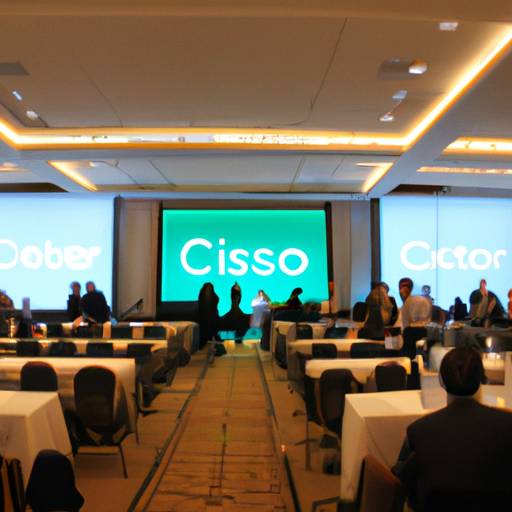
    Cisco Investor Day is an annual event hosted by Cisco Systems, Inc. that provides an opportunity for the company to update its investors and analysts on its business strategy, financial performance, and future outlook. The event typically includes presentations from Cisco’s executive leadership team, as well as discussions on industry trends and market opportunities. The goal of Cisco Investor Day is to provide transparency and insight into the company’s operations and to help investors make informed decisions about their investments in Cisco.

    Key Takeaways from Cisco Investor Day

    Cisco Investor Day is an annual event where the company’s executives present their vision, strategy, and financial performance to investors and analysts. This year’s event, held on December 8, 2021, was no exception. The company’s leadership team shared their plans for the future, highlighting their focus on innovation, growth, and sustainability. Here are some of the key takeaways from Cisco Investor Day.

    Firstly, Cisco is committed to innovation. The company’s CEO, Chuck Robbins, emphasized the importance of investing in research and development to stay ahead of the competition. He highlighted the company’s recent acquisitions of Acacia Communications and ThousandEyes, which have strengthened Cisco’s capabilities in optical networking and network monitoring, respectively. Robbins also talked about the company’s focus on software-defined networking, cloud computing, and artificial intelligence, which are key areas of growth for the company.

    Secondly, Cisco is focused on growth. The company’s CFO, Scott Herren, outlined the company’s financial performance, which has been strong despite the challenges posed by the pandemic. He highlighted the company’s revenue growth, which has been driven by strong demand for networking equipment and software. Herren also talked about the company’s plans to expand its business in key markets such as China, India, and Brazil, where there is significant growth potential.

    Thirdly, Cisco is committed to sustainability. The company’s Chief People, Policy, and Purpose Officer, Fran Katsoudas, talked about the company’s efforts to reduce its carbon footprint and promote social responsibility. She highlighted the company’s goal to achieve net-zero greenhouse gas emissions by 2040, which is aligned with the Paris Agreement. Katsoudas also talked about the company’s efforts to promote diversity, equity, and inclusion, which are key priorities for the company.

    Fourthly, Cisco is focused on customer success. The company’s Executive Vice President and Chief Customer Experience Officer, Maria Martinez, talked about the company’s efforts to provide a seamless and personalized experience for its customers. She highlighted the company’s investments in customer analytics, automation, and self-service, which are aimed at improving customer satisfaction and loyalty. Martinez also talked about the company’s focus on delivering outcomes for its customers, rather than just selling products.

    Finally, Cisco is committed to its employees. The company’s Chief People Officer, Fran Katsoudas, talked about the company’s efforts to create a culture of innovation, collaboration, and inclusion. She highlighted the company’s investments in employee development, well-being, and diversity, which are aimed at attracting and retaining top talent. Katsoudas also talked about the company’s commitment to flexible work arrangements, which have become increasingly important in the wake of the pandemic.

    In conclusion, Cisco Investor Day provided valuable insights into the company’s vision, strategy, and performance. The company’s focus on innovation, growth, sustainability, customer success, and employee well-being are key priorities that will drive its success in the years to come. As the world becomes increasingly digital, Cisco’s leadership in networking and software will be critical in enabling businesses and individuals to connect, collaborate, and innovate.

    Cisco’s Strategic Plans for Future Growth

    Cisco Investor Day: Cisco’s Strategic Plans for Future Growth

    Cisco, the global technology leader, recently held its annual Investor Day, where it shared its strategic plans for future growth. The event was attended by investors, analysts, and industry experts who were keen to learn about Cisco’s vision for the future and how it plans to achieve its goals.

    During the event, Cisco’s CEO, Chuck Robbins, highlighted the company’s focus on innovation, customer experience, and sustainability. He emphasized that Cisco’s goal is to help its customers navigate the digital transformation and enable them to thrive in the new digital era.

    One of the key areas of focus for Cisco is innovation. The company plans to invest heavily in research and development to create new products and services that will help its customers stay ahead of the competition. Cisco is also committed to developing new technologies that will enable its customers to operate more efficiently and effectively.

    Another area of focus for Cisco is customer experience. The company recognizes that customer satisfaction is critical to its success, and it is committed to providing the best possible experience for its customers. Cisco plans to invest in new technologies and processes that will enable it to deliver a seamless and personalized customer experience.

    Sustainability is also a key focus for Cisco. The company is committed to reducing its environmental footprint and helping its customers do the same. Cisco plans to invest in renewable energy, energy-efficient technologies, and sustainable business practices to reduce its carbon footprint and promote sustainability.

    Cisco’s strategic plans for future growth also include expanding its market reach. The company plans to enter new markets and expand its presence in existing markets. Cisco is also focused on building partnerships and alliances with other companies to create new opportunities for growth.

    One of the ways Cisco plans to expand its market reach is through acquisitions. The company has a history of successful acquisitions, and it plans to continue this strategy in the future. Cisco is looking for companies that can complement its existing portfolio and help it achieve its strategic goals.

    Cisco is also focused on building a strong and diverse workforce. The company recognizes that its employees are its most valuable asset, and it is committed to creating a culture of diversity and inclusion. Cisco plans to invest in training and development programs to help its employees grow and succeed.

    In conclusion, Cisco’s strategic plans for future growth are focused on innovation, customer experience, sustainability, market expansion, and workforce development. The company is committed to helping its customers navigate the digital transformation and enabling them to thrive in the new digital era. Cisco’s focus on innovation, customer experience, and sustainability will help it stay ahead of the competition and create new opportunities for growth. With its strong leadership, talented workforce, and commitment to excellence, Cisco is well-positioned to achieve its strategic goals and continue to be a global technology leader.

    Financial Performance and Outlook for Cisco

    Cisco Investor Day: Financial Performance and Outlook for Cisco

    Cisco Systems, Inc. is a multinational technology company that specializes in networking hardware, software, and services. The company has been a leader in the industry for over three decades, and its products and services are used by businesses and organizations around the world. Cisco’s annual Investor Day is an opportunity for the company to share its financial performance and outlook with investors and analysts.

    Financial Performance

    Cisco’s financial performance has been strong in recent years. In fiscal year 2020, the company reported revenue of $49.3 billion, an increase of 4% from the previous year. The company’s net income for the year was $11.2 billion, an increase of 7% from the previous year. Cisco’s earnings per share for the year were $2.61, an increase of 11% from the previous year.

    Cisco’s revenue is generated from three main sources: products, services, and software. In fiscal year 2020, products accounted for 75% of the company’s revenue, services accounted for 24%, and software accounted for 1%. The company’s product revenue increased by 5% from the previous year, while its service revenue increased by 2%. Cisco’s software revenue decreased by 3% from the previous year.

    Cisco’s financial performance has been driven by its focus on innovation and customer satisfaction. The company invests heavily in research and development, and it has a strong track record of introducing new products and services that meet the evolving needs of its customers. Cisco also has a strong reputation for providing high-quality customer support, which has helped to build customer loyalty and drive revenue growth.

    Outlook for Cisco

    Cisco’s outlook for the future is positive. The company is well-positioned to benefit from the ongoing digital transformation of businesses and organizations around the world. As more companies move their operations online and adopt cloud-based technologies, the demand for Cisco’s networking products and services is likely to increase.

    Cisco is also investing in new areas of growth, such as cybersecurity and the Internet of Things (IoT). The company’s cybersecurity business has been growing rapidly in recent years, and it is expected to continue to grow as businesses and organizations become increasingly concerned about data breaches and other security threats. Cisco’s IoT business is also expected to grow as more devices become connected to the internet and require networking solutions.

    In addition to these growth areas, Cisco is also focused on improving its operational efficiency and profitability. The company has implemented a number of cost-cutting measures in recent years, including restructuring its business and reducing its workforce. These measures have helped to improve Cisco’s profitability, and the company is expected to continue to focus on cost management in the future.

    Conclusion

    Cisco’s annual Investor Day provides valuable insights into the company’s financial performance and outlook. The company’s strong financial performance in recent years is a testament to its focus on innovation and customer satisfaction. Cisco’s outlook for the future is positive, as the company is well-positioned to benefit from the ongoing digital transformation of businesses and organizations around the world. With its focus on growth areas such as cybersecurity and IoT, as well as its commitment to improving operational efficiency and profitability, Cisco is poised for continued success in the years ahead.

    Insights into Cisco’s Innovation and Technology Roadmap

    Cisco Investor Day: Insights into Cisco’s Innovation and Technology Roadmap

    Cisco Investor Day is an annual event where the company’s executives share their vision and strategy for the future with investors and analysts. This year’s event, held on December 8, 2021, provided insights into Cisco’s innovation and technology roadmap, highlighting the company’s focus on cloud, security, and collaboration.

    Cloud

    Cisco’s cloud strategy is centered around its multi-cloud platform, which enables customers to manage their applications and workloads across multiple public and private clouds. The platform is built on Cisco’s networking and security technologies, providing customers with a consistent and secure experience across all their cloud environments.

    During the event, Cisco announced several new cloud offerings, including Cloud ACI, a cloud-native version of its Application Centric Infrastructure (ACI) solution, and Cloud ACI Anywhere, which extends the platform to any cloud or data center. The company also highlighted its partnership with Google Cloud, which enables customers to run their applications on Google Cloud’s Anthos platform using Cisco’s networking and security technologies.

    Security

    Security is a top priority for Cisco, and the company is investing heavily in this area to address the growing threat landscape. Cisco’s security strategy is focused on providing customers with a comprehensive and integrated security solution that spans the network, endpoints, and cloud.

    During the event, Cisco announced several new security offerings, including SecureX, a cloud-native platform that provides customers with a unified view of their security posture across their entire environment. The company also highlighted its partnership with Microsoft, which enables customers to use Cisco’s security technologies with Microsoft’s Azure Sentinel platform.

    Collaboration

    Collaboration is another area where Cisco is investing heavily, as the pandemic has accelerated the shift towards remote work and virtual collaboration. Cisco’s collaboration strategy is centered around its Webex platform, which provides customers with a secure and reliable way to collaborate and communicate from anywhere.

    During the event, Cisco announced several new features and enhancements to the Webex platform, including Webex Desk Hub, a new device that provides users with a single interface for all their collaboration needs. The company also highlighted its partnership with Box, which enables users to access and share their Box content directly from the Webex platform.

    Conclusion

    Cisco Investor Day provided valuable insights into the company’s innovation and technology roadmap, highlighting its focus on cloud, security, and collaboration. By investing heavily in these areas, Cisco is positioning itself as a leader in the digital transformation space, helping customers to navigate the challenges of the modern business landscape. With its multi-cloud platform, comprehensive security solution, and Webex collaboration platform, Cisco is well-positioned to meet the evolving needs of its customers and drive growth in the years to come.

    Q&A

    1. When was Cisco Investor Day held?
    Cisco Investor Day was held on December 8, 2020.

    2. What was the purpose of Cisco Investor Day?
    The purpose of Cisco Investor Day was to provide an update on the company’s strategy, financial performance, and future outlook.

    3. Who presented at Cisco Investor Day?
    Cisco’s executive leadership team, including CEO Chuck Robbins, presented at Cisco Investor Day.

    4. What were some of the key takeaways from Cisco Investor Day?
    Some of the key takeaways from Cisco Investor Day included the company’s focus on software and services, its commitment to sustainability, and its plans to continue investing in innovation and growth.Conclusion: Cisco Investor Day provided insights into the company’s strategy and plans for the future. The company highlighted its focus on innovation, growth, and sustainability, and emphasized its commitment to delivering value to shareholders. Overall, the event was informative and demonstrated Cisco’s continued leadership in the technology industry.

  • ufinet

    ufinet

    “Connecting the world with reliable and secure fiber optic solutions.”

    Ufinet is a leading telecommunications infrastructure provider that offers high-speed connectivity solutions to businesses and service providers across the globe. With a presence in over 20 countries, Ufinet provides a wide range of services including fiber optic connectivity, data center solutions, and cloud services. The company’s mission is to provide reliable and cost-effective connectivity solutions that enable businesses to grow and thrive in today’s digital economy.

    The Benefits of Choosing Ufinet for Your Business Connectivity Needs

    In today’s digital age, businesses rely heavily on connectivity to operate efficiently and effectively. Whether it’s for communication, data transfer, or accessing cloud-based applications, a reliable and fast internet connection is essential. This is where Ufinet comes in. Ufinet is a leading provider of fiber-optic connectivity solutions for businesses across the globe. In this article, we will explore the benefits of choosing Ufinet for your business connectivity needs.

    Firstly, Ufinet offers a wide range of connectivity solutions to suit the needs of businesses of all sizes. From small businesses to large enterprises, Ufinet has a solution that can be tailored to meet your specific requirements. Their solutions include dedicated internet access, point-to-point connectivity, and MPLS networks. This means that regardless of the size of your business or the complexity of your connectivity needs, Ufinet has a solution that can be customized to meet your needs.

    Secondly, Ufinet’s fiber-optic network is one of the most reliable and secure in the industry. Fiber-optic technology offers faster and more reliable connectivity than traditional copper-based networks. This means that businesses can enjoy faster download and upload speeds, reduced latency, and improved overall performance. Additionally, Ufinet’s network is highly secure, with advanced encryption and security protocols in place to protect your data from cyber threats.

    Thirdly, Ufinet’s network is highly scalable, which means that businesses can easily upgrade their connectivity as their needs grow. This is particularly important for businesses that are experiencing rapid growth or are expanding into new markets. With Ufinet, businesses can easily upgrade their connectivity to meet their changing needs without having to invest in new infrastructure or equipment.

    Fourthly, Ufinet offers 24/7 support to ensure that businesses can always stay connected. Their team of experts is available around the clock to provide technical support and assistance whenever it is needed. This means that businesses can rest assured that their connectivity needs are being taken care of, even outside of regular business hours.

    Finally, Ufinet’s solutions are cost-effective, which means that businesses can enjoy high-quality connectivity without breaking the bank. Ufinet’s solutions are designed to be affordable and scalable, which means that businesses can enjoy the benefits of fiber-optic connectivity without having to invest in expensive infrastructure or equipment.

    In conclusion, Ufinet is a leading provider of fiber-optic connectivity solutions for businesses across the globe. Their solutions are reliable, secure, scalable, and cost-effective, making them an ideal choice for businesses of all sizes. With Ufinet, businesses can enjoy faster download and upload speeds, reduced latency, improved overall performance, and 24/7 support. So if you’re looking for a reliable and cost-effective connectivity solution for your business, look no further than Ufinet.

    Ufinet’s Expansion into Latin America: What it Means for the Telecom Industry

    Ufinet is a leading provider of fiber optic telecommunications infrastructure and services in Europe and Latin America. The company has been expanding rapidly in recent years, particularly in Latin America, where it has established a strong presence in several key markets. This expansion has significant implications for the telecom industry in the region and beyond.

    One of the key factors driving Ufinet’s expansion in Latin America is the growing demand for high-speed internet and other telecommunications services. As more people in the region gain access to smartphones and other connected devices, the need for reliable and fast internet connectivity is becoming increasingly important. Ufinet’s fiber optic infrastructure is well-suited to meet this demand, as it provides high-speed, low-latency connectivity that is essential for many modern applications.

    Another factor driving Ufinet’s expansion in Latin America is the region’s rapidly growing economy. As more businesses and consumers in the region become connected to the internet, there is a growing need for reliable and high-quality telecommunications services. Ufinet’s fiber optic infrastructure is well-positioned to meet this demand, as it provides a reliable and scalable platform for delivering a wide range of services, including voice, data, and video.

    Ufinet’s expansion in Latin America is also significant because it is helping to drive innovation and competition in the telecom industry. By providing a high-quality, low-cost alternative to traditional telecom providers, Ufinet is helping to break down barriers to entry and create a more competitive market. This is good news for consumers, as it means they have more choices and can benefit from lower prices and better service.

    One of the key challenges facing Ufinet and other telecom providers in Latin America is the need to navigate complex regulatory environments. Each country in the region has its own unique set of regulations and requirements, which can make it difficult for companies to operate across borders. Ufinet has been successful in navigating these challenges, however, thanks to its deep understanding of the local markets and its ability to work closely with regulators and other stakeholders.

    Looking ahead, Ufinet’s expansion in Latin America is likely to continue, as the region’s economy and demand for telecommunications services continue to grow. The company is well-positioned to take advantage of these trends, thanks to its strong infrastructure and deep expertise in the region. As more businesses and consumers in Latin America become connected to the internet, Ufinet will be there to provide the high-quality, reliable connectivity they need to succeed.

    In conclusion, Ufinet’s expansion into Latin America is a significant development for the telecom industry in the region and beyond. The company’s fiber optic infrastructure is well-suited to meet the growing demand for high-speed internet and other telecommunications services, and its presence is helping to drive innovation and competition in the market. While there are challenges to operating in the region, Ufinet’s deep understanding of the local markets and its ability to work closely with regulators and other stakeholders have helped it to succeed. As the region’s economy and demand for telecommunications services continue to grow, Ufinet is well-positioned to continue its expansion and provide the high-quality, reliable connectivity that businesses and consumers need to succeed.

    How Ufinet’s Fiber Optic Network is Revolutionizing Internet Speeds

    In today’s digital age, internet connectivity has become an essential part of our daily lives. From streaming movies and music to conducting business transactions, the internet has become an indispensable tool for communication and commerce. However, slow internet speeds and unreliable connections can be frustrating and can hinder productivity. This is where Ufinet comes in.

    Ufinet is a leading provider of fiber optic network solutions that is revolutionizing internet speeds across the globe. With a presence in over 20 countries, Ufinet’s fiber optic network is providing reliable and high-speed internet connectivity to businesses and individuals alike.

    Fiber optic technology is the future of internet connectivity, and Ufinet is at the forefront of this revolution. Unlike traditional copper cables, fiber optic cables use light to transmit data, resulting in faster and more reliable internet speeds. Ufinet’s fiber optic network is designed to provide high-speed internet connectivity to businesses and individuals, regardless of their location.

    One of the key advantages of Ufinet’s fiber optic network is its ability to provide symmetrical internet speeds. This means that the upload and download speeds are the same, resulting in faster and more efficient data transfer. This is particularly important for businesses that rely on cloud-based applications and services, as it ensures that data can be uploaded and downloaded quickly and efficiently.

    Ufinet’s fiber optic network is also highly scalable, which means that it can easily accommodate the growing needs of businesses and individuals. As more devices are connected to the internet, the demand for bandwidth increases. Ufinet’s fiber optic network is designed to handle this increased demand, ensuring that businesses and individuals can continue to enjoy fast and reliable internet speeds.

    Another advantage of Ufinet’s fiber optic network is its low latency. Latency refers to the time it takes for data to travel from one point to another. With Ufinet’s fiber optic network, latency is significantly reduced, resulting in faster and more responsive internet connectivity. This is particularly important for online gaming and video conferencing, where even a small delay can be frustrating and disruptive.

    Ufinet’s fiber optic network is also highly secure. Unlike traditional copper cables, fiber optic cables are difficult to tap or intercept, making them a more secure option for businesses and individuals. This is particularly important for businesses that handle sensitive data, such as financial institutions and healthcare providers.

    In conclusion, Ufinet’s fiber optic network is revolutionizing internet speeds across the globe. With its ability to provide symmetrical internet speeds, scalability, low latency, and high security, Ufinet’s fiber optic network is the future of internet connectivity. Whether you’re a business or an individual, Ufinet’s fiber optic network can provide you with fast and reliable internet connectivity, regardless of your location. So, if you’re looking for a reliable and high-speed internet connection, look no further than Ufinet.

    Ufinet’s Commitment to Sustainability: A Look at Their Green Initiatives

    Ufinet is a leading telecommunications infrastructure provider that operates in Latin America, Europe, and Africa. The company has a strong commitment to sustainability and has implemented several green initiatives to reduce its environmental impact. In this article, we will take a closer look at Ufinet’s sustainability efforts and how they are contributing to a more sustainable future.

    One of Ufinet’s primary sustainability goals is to reduce its carbon footprint. To achieve this, the company has implemented several measures to reduce energy consumption in its operations. For instance, Ufinet has invested in energy-efficient equipment and has optimized its data centers to reduce energy consumption. The company has also implemented a virtualization strategy that allows it to consolidate its servers, reducing the number of physical servers required and, consequently, reducing energy consumption.

    Another significant initiative that Ufinet has implemented is the use of renewable energy sources. The company has installed solar panels in several of its facilities, which generate clean energy and reduce its reliance on fossil fuels. Ufinet has also partnered with local energy providers to source renewable energy for its operations. By using renewable energy sources, Ufinet is reducing its carbon footprint and contributing to the fight against climate change.

    Ufinet is also committed to reducing waste and promoting recycling. The company has implemented a waste management program that encourages employees to reduce waste and recycle whenever possible. Ufinet has also partnered with local recycling companies to ensure that its waste is properly disposed of and recycled. By reducing waste and promoting recycling, Ufinet is contributing to a more sustainable future and reducing its environmental impact.

    In addition to its internal sustainability efforts, Ufinet is also committed to promoting sustainability in the communities where it operates. The company has implemented several community outreach programs that focus on environmental education and sustainability. Ufinet has partnered with local schools and organizations to educate the community on the importance of sustainability and how they can contribute to a more sustainable future.

    Ufinet’s commitment to sustainability has not gone unnoticed. The company has received several awards and recognitions for its sustainability efforts. In 2020, Ufinet was recognized as one of the top 50 most sustainable companies in Spain by the Corporate Sustainability and Responsibility Observatory. The company was also awarded the “Green IT Award” by the Spanish Association of Green IT for its efforts to reduce energy consumption and promote sustainability.

    In conclusion, Ufinet’s commitment to sustainability is commendable. The company has implemented several green initiatives to reduce its environmental impact and promote sustainability in the communities where it operates. By reducing its carbon footprint, promoting recycling, and using renewable energy sources, Ufinet is contributing to a more sustainable future. As a leading telecommunications infrastructure provider, Ufinet is setting an example for other companies to follow and demonstrating that sustainability is not only good for the environment but also good for business.

    Q&A

    1. What is UFINET?
    UFINET is a telecommunications company that provides fiber optic connectivity solutions to businesses and service providers in Latin America and Europe.

    2. What services does UFINET offer?
    UFINET offers a range of services including dark fiber, Ethernet, IP transit, cloud connectivity, and managed services.

    3. Where does UFINET operate?
    UFINET operates in 18 countries across Latin America and Europe, including Brazil, Mexico, Colombia, Spain, and Portugal.

    4. Who are UFINET’s clients?
    UFINET’s clients include telecommunications operators, internet service providers, data centers, and large enterprises in various industries such as finance, healthcare, and government.Conclusion: Ufinet is a leading telecommunications infrastructure provider that offers a wide range of services to businesses and carriers across Latin America, Europe, and Africa. With a strong focus on customer satisfaction, Ufinet has built a reputation for delivering high-quality, reliable, and cost-effective solutions that meet the needs of its clients. Its extensive network infrastructure, combined with its expertise in designing and implementing customized solutions, makes Ufinet a trusted partner for businesses looking to expand their operations and improve their connectivity. Overall, Ufinet is a reliable and innovative provider of telecommunications services that is well-positioned to meet the evolving needs of its customers in today’s rapidly changing digital landscape.

  • map of pacific northwest states

    map of pacific northwest states

    Discover the beauty of the Pacific Northwest with our detailed map.

    The Pacific Northwest region of the United States is known for its stunning natural beauty, diverse geography, and vibrant culture. The region encompasses the states of Washington, Oregon, and Idaho, as well as parts of Montana, Wyoming, and British Columbia, Canada. A map of the Pacific Northwest states can help visitors and locals alike navigate the area and discover all that it has to offer.

    Exploring the Hidden Gems of the Pacific Northwest: A Guide to the Best Hiking Trails

    The Pacific Northwest is a region of the United States that is known for its stunning natural beauty. With its rugged coastline, towering mountains, and lush forests, it is a paradise for outdoor enthusiasts. One of the best ways to experience the beauty of the Pacific Northwest is by hiking its many trails. In this guide, we will explore some of the hidden gems of the Pacific Northwest and provide a guide to the best hiking trails in the region.

    Washington State is home to some of the most beautiful hiking trails in the Pacific Northwest. One of the most popular trails is the Mount Si Trail, which is located in the Cascade Mountains. This trail is a challenging hike that rewards hikers with stunning views of the surrounding mountains and valleys. Another popular trail in Washington is the Enchantments Trail, which is located in the Alpine Lakes Wilderness. This trail is known for its stunning alpine scenery and crystal-clear lakes.

    Oregon is another state that is home to some of the best hiking trails in the Pacific Northwest. One of the most popular trails in Oregon is the Pacific Crest Trail, which runs from Mexico to Canada. This trail is a challenging hike that takes hikers through some of the most beautiful scenery in the region. Another popular trail in Oregon is the Eagle Creek Trail, which is located in the Columbia River Gorge. This trail is known for its stunning waterfalls and lush forests.

    Idaho is a state that is often overlooked by hikers, but it is home to some hidden gems. One of the best hiking trails in Idaho is the Sawtooth Lake Trail, which is located in the Sawtooth Mountains. This trail is a moderate hike that takes hikers through some of the most beautiful alpine scenery in the region. Another popular trail in Idaho is the City of Rocks National Reserve Trail, which is located in the southern part of the state. This trail is known for its unique rock formations and stunning views of the surrounding landscape.

    British Columbia is a province in Canada that is home to some of the most beautiful hiking trails in the Pacific Northwest. One of the most popular trails in British Columbia is the West Coast Trail, which is located on Vancouver Island. This trail is a challenging hike that takes hikers through some of the most rugged and remote wilderness in the region. Another popular trail in British Columbia is the Juan de Fuca Marine Trail, which is also located on Vancouver Island. This trail is known for its stunning coastal scenery and abundant wildlife.

    In conclusion, the Pacific Northwest is a region that is full of hidden gems for hikers to explore. Whether you are looking for a challenging hike through rugged wilderness or a leisurely stroll through lush forests, there is a trail for everyone in this region. From the stunning mountains of Washington to the rugged coastline of British Columbia, the Pacific Northwest is a paradise for outdoor enthusiasts. So grab your hiking boots and hit the trails to experience the beauty of this amazing region.

    From Sea to Summit: A Road Trip Itinerary Through the Pacific Northwest

    The Pacific Northwest is a region of the United States that is known for its stunning natural beauty, diverse wildlife, and rich cultural heritage. Comprising the states of Washington, Oregon, and Idaho, this region is a popular destination for travelers who are looking to explore the great outdoors and experience the unique culture of the area.

    One of the best ways to experience the Pacific Northwest is by taking a road trip through the region. With its winding roads, scenic vistas, and charming small towns, a road trip through the Pacific Northwest is an adventure that you will never forget.

    To help you plan your trip, we have put together a road trip itinerary that will take you from the sea to the summit of the Pacific Northwest.

    Starting in Seattle, Washington, your first stop should be the Olympic National Park. This park is home to some of the most stunning natural scenery in the region, including the Hoh Rainforest, the Sol Duc Hot Springs, and the Hurricane Ridge. Spend a few days exploring the park, hiking its trails, and taking in the breathtaking views.

    From Olympic National Park, head south to Portland, Oregon. This city is known for its vibrant arts scene, delicious food, and quirky culture. Spend a day or two exploring the city’s many museums, galleries, and restaurants, and be sure to check out the famous Powell’s City of Books.

    Next, head east to the Columbia River Gorge. This stunning natural wonder is home to some of the most beautiful waterfalls in the region, including Multnomah Falls, Horsetail Falls, and Wahkeena Falls. Spend a day hiking the trails and taking in the breathtaking views.

    From the Columbia River Gorge, head south to Bend, Oregon. This charming town is known for its outdoor recreation opportunities, including hiking, mountain biking, and skiing. Spend a few days exploring the town and its surrounding wilderness areas, including the Deschutes National Forest and the Three Sisters Wilderness.

    Next, head east to Boise, Idaho. This city is known for its vibrant arts scene, delicious food, and friendly locals. Spend a day or two exploring the city’s many museums, galleries, and restaurants, and be sure to check out the famous Boise River Greenbelt.

    From Boise, head north to Coeur d’Alene, Idaho. This charming town is located on the shores of Lake Coeur d’Alene and is known for its stunning natural beauty and outdoor recreation opportunities. Spend a few days exploring the town and its surrounding wilderness areas, including the Coeur d’Alene National Forest and the Silverwood Theme Park.

    Finally, head west to Seattle, Washington, where your road trip began. Along the way, be sure to stop at the North Cascades National Park, which is home to some of the most stunning mountain scenery in the region.

    In conclusion, a road trip through the Pacific Northwest is an adventure that you will never forget. With its stunning natural beauty, diverse wildlife, and rich cultural heritage, this region is a must-visit destination for anyone who loves the great outdoors. So pack your bags, hit the road, and get ready to experience the best that the Pacific Northwest has to offer.

    Discovering the Rich History and Culture of the Pacific Northwest States

    The Pacific Northwest region of the United States is a vast and diverse area that encompasses the states of Washington, Oregon, Idaho, and parts of Montana and Wyoming. This region is known for its stunning natural beauty, with towering mountains, lush forests, and rugged coastlines. But beyond its breathtaking landscapes, the Pacific Northwest is also home to a rich history and culture that is worth exploring.

    One way to discover the history and culture of the Pacific Northwest is through a map of the region. A map can help you visualize the different areas and landmarks that make up this unique part of the country. For example, you can see the Cascade Range that runs through Washington and Oregon, or the Columbia River that flows through the region and into the Pacific Ocean.

    One of the most significant historical events in the Pacific Northwest was the Lewis and Clark Expedition. In 1804, Meriwether Lewis and William Clark led a group of explorers on a journey to the Pacific Ocean, traveling through what is now Montana, Idaho, Washington, and Oregon. Along the way, they encountered Native American tribes, mapped the landscape, and collected scientific data. Today, you can follow their route on a map and visit many of the sites they explored, such as Fort Clatsop in Oregon or Pompeys Pillar in Montana.

    Another important aspect of the Pacific Northwest’s history is its Native American heritage. The region is home to many different tribes, each with their own unique traditions and cultures. A map can help you locate the reservations and cultural centers where you can learn more about these communities and their history. For example, the Makah Cultural and Research Center in Neah Bay, Washington, offers exhibits and programs that showcase the Makah tribe’s history and traditions.

    The Pacific Northwest is also known for its vibrant arts and culture scene. From music and theater to visual arts and literature, the region has produced many talented artists and writers. A map can help you locate the museums, galleries, and performance venues where you can experience this rich cultural heritage. For example, the Seattle Art Museum in Washington features a diverse collection of art from around the world, while the Oregon Shakespeare Festival in Ashland, Oregon, is one of the country’s premier theater companies.

    Food is another important aspect of the Pacific Northwest’s culture. The region is known for its fresh seafood, locally grown produce, and craft beer and wine. A map can help you locate the farmers’ markets, restaurants, and breweries where you can sample these delicious culinary offerings. For example, Pike Place Market in Seattle is a popular destination for fresh seafood and other local specialties, while the Willamette Valley in Oregon is known for its world-class wineries.

    In conclusion, a map of the Pacific Northwest states can be a valuable tool for discovering the region’s rich history and culture. Whether you’re interested in exploring the Lewis and Clark Expedition, learning about Native American heritage, experiencing the arts and culture scene, or sampling the local cuisine, a map can help you navigate this diverse and fascinating part of the country. So grab a map and start exploring the Pacific Northwest today!

    Foodie Adventures in the Pacific Northwest: Must-Try Dishes and Local Cuisine

    The Pacific Northwest is a region known for its stunning natural beauty, diverse culture, and delicious cuisine. From fresh seafood to farm-to-table produce, the Pacific Northwest offers a wide range of culinary experiences that are sure to satisfy any foodie’s cravings. If you’re planning a trip to the Pacific Northwest, be sure to check out these must-try dishes and local cuisine.

    One of the most iconic dishes in the Pacific Northwest is the salmon. With its proximity to the Pacific Ocean, the region is known for its fresh and flavorful salmon. Whether you prefer it grilled, smoked, or baked, there are plenty of ways to enjoy this delicious fish. Some of the best places to try salmon in the Pacific Northwest include Pike Place Market in Seattle, the Oregon Coast, and the Columbia River Gorge.

    Another popular dish in the Pacific Northwest is the Dungeness crab. This sweet and succulent crab is a local favorite and can be found in many restaurants throughout the region. Some of the best places to try Dungeness crab include the San Juan Islands, Astoria, and Newport.

    If you’re looking for something a little more adventurous, be sure to try geoduck. This large and unusual-looking clam is a delicacy in the Pacific Northwest and is often served raw or in sushi. Some of the best places to try geoduck include Seattle’s International District and the Puget Sound region.

    In addition to seafood, the Pacific Northwest is also known for its farm-to-table cuisine. With its fertile soil and mild climate, the region produces a wide variety of fruits and vegetables that are used in many local dishes. Some of the most popular local ingredients include berries, apples, pears, and mushrooms.

    One of the best ways to experience the Pacific Northwest’s farm-to-table cuisine is by visiting one of the many farmers’ markets in the region. These markets offer a wide variety of fresh produce, as well as artisanal cheeses, breads, and other local products. Some of the best farmers’ markets in the Pacific Northwest include Pike Place Market in Seattle, the Portland Farmers Market, and the Eugene Farmers Market.

    If you’re looking for a unique culinary experience, be sure to try some of the Pacific Northwest’s craft beers and wines. The region is home to many award-winning breweries and wineries, and there are plenty of opportunities to sample their products. Some of the best places to try craft beer and wine in the Pacific Northwest include Portland, the Willamette Valley, and Walla Walla.

    In addition to these must-try dishes and local cuisine, the Pacific Northwest also offers a wide range of culinary experiences for foodies. From food tours to cooking classes, there are plenty of ways to explore the region’s vibrant food scene. Whether you’re a seafood lover or a fan of farm-to-table cuisine, the Pacific Northwest is sure to satisfy your taste buds.

    In conclusion, the Pacific Northwest is a foodie’s paradise, offering a wide range of delicious dishes and local cuisine. Whether you’re a fan of seafood, farm-to-table cuisine, or craft beer and wine, there are plenty of culinary experiences to be had in this beautiful region. So if you’re planning a trip to the Pacific Northwest, be sure to come hungry and ready to explore all that this vibrant food scene has to offer.

    Q&A

    1. What states are included in the Pacific Northwest region?
    – The Pacific Northwest region includes the states of Washington, Oregon, and Idaho.

    2. What major cities are located in the Pacific Northwest region?
    – Some major cities in the Pacific Northwest region include Seattle and Spokane in Washington, Portland and Eugene in Oregon, and Boise in Idaho.

    3. What bodies of water are located in the Pacific Northwest region?
    – The Pacific Northwest region is home to several bodies of water, including the Pacific Ocean, the Columbia River, Puget Sound, and Lake Coeur d’Alene.

    4. What national parks are located in the Pacific Northwest region?
    – Some national parks located in the Pacific Northwest region include Olympic National Park and Mount Rainier National Park in Washington, and Crater Lake National Park in Oregon.Conclusion: The map of Pacific Northwest states includes Washington, Oregon, and Idaho. These states are known for their natural beauty, outdoor recreation opportunities, and diverse cultures. The region is home to major cities such as Seattle and Portland, as well as vast wilderness areas like the Olympic and Cascade Mountains. The Pacific Northwest is a popular destination for tourists and a thriving hub for industries such as technology, agriculture, and forestry. Overall, the map of Pacific Northwest states showcases a unique and vibrant region of the United States.

  • verizon wireless acp program

    verizon wireless acp program

    “Empowering businesses with advanced communication solutions.”

    The Verizon Wireless ACP (Alternate Coverage Program) is a service that allows Verizon customers to use their devices on partner networks when they are outside of Verizon’s coverage area. This program provides customers with access to voice, messaging, and data services on partner networks, ensuring that they can stay connected even when they are not in a Verizon coverage area. The ACP program is available to eligible Verizon customers and is designed to provide seamless coverage and connectivity across the United States.

    Advantages of Verizon Wireless ACP Program

    Verizon Wireless ACP Program is a program that offers a wide range of advantages to its customers. This program is designed to help customers save money, get the latest devices, and enjoy a range of other benefits. In this article, we will discuss some of the advantages of Verizon Wireless ACP Program.

    One of the biggest advantages of Verizon Wireless ACP Program is that it offers customers the latest devices at a discounted price. This means that customers can get the latest smartphones, tablets, and other devices at a much lower price than they would normally pay. This is a great advantage for customers who want to stay up-to-date with the latest technology but don’t want to pay full price.

    Another advantage of Verizon Wireless ACP Program is that it offers customers a range of discounts on their monthly bills. This means that customers can save money on their monthly bills, which can add up to significant savings over time. This is a great advantage for customers who are looking to save money on their monthly expenses.

    Verizon Wireless ACP Program also offers customers a range of other benefits, such as free shipping on devices and accessories, free device upgrades, and free device protection. These benefits are designed to help customers get the most out of their devices and ensure that they are protected from damage or loss.

    In addition to these benefits, Verizon Wireless ACP Program also offers customers a range of other services, such as device trade-ins, device recycling, and device repair. These services are designed to help customers get the most out of their devices and ensure that they are able to use them for as long as possible.

    Verizon Wireless ACP Program is also designed to be easy to use and understand. Customers can easily sign up for the program online or in-store, and they can manage their account and benefits through the Verizon Wireless website or mobile app. This makes it easy for customers to stay up-to-date with their benefits and manage their account from anywhere.

    Overall, Verizon Wireless ACP Program offers a range of advantages to its customers. From discounted devices to monthly bill discounts, free shipping, and device protection, this program is designed to help customers save money and get the most out of their devices. With easy sign-up and management, it’s a great program for anyone who wants to stay up-to-date with the latest technology and save money on their monthly expenses.

    How to Enroll in Verizon Wireless ACP Program

    Verizon Wireless ACP Program is a program designed to help individuals with disabilities access the latest technology and communication devices. The program offers a range of devices and services that are tailored to meet the needs of people with disabilities. If you are interested in enrolling in the Verizon Wireless ACP Program, here is what you need to know.

    First, you need to be eligible for the program. To be eligible, you must have a disability that makes it difficult for you to use traditional communication devices. This can include physical disabilities, hearing or vision impairments, or cognitive disabilities. You will need to provide documentation of your disability to Verizon Wireless to enroll in the program.

    Once you have confirmed your eligibility, you can start the enrollment process. The first step is to visit the Verizon Wireless ACP Program website. Here, you will find information about the program and the devices and services that are available. You can also find a list of participating Verizon Wireless stores where you can enroll in the program.

    When you visit a participating Verizon Wireless store, you will need to bring your documentation of disability and a valid ID. You will also need to provide information about your current wireless plan and any devices you currently use. The Verizon Wireless representative will then work with you to determine which devices and services will best meet your needs.

    One of the benefits of the Verizon Wireless ACP Program is that it offers a range of devices and services that are specifically designed for people with disabilities. These can include smartphones with larger screens or voice-activated controls, hearing aids that are compatible with wireless devices, and other assistive technologies. The program also offers discounts on devices and services, making it more affordable for people with disabilities to access the latest technology.

    Once you have selected your devices and services, the Verizon Wireless representative will help you set them up and provide any necessary training. They will also be available to provide ongoing support and assistance as needed.

    In addition to the devices and services offered through the Verizon Wireless ACP Program, there are also a number of resources available to help people with disabilities use technology more effectively. These can include online tutorials, support groups, and other resources that can help you get the most out of your devices and services.

    Enrolling in the Verizon Wireless ACP Program can be a great way to access the latest technology and communication devices if you have a disability. By working with a Verizon Wireless representative, you can find the devices and services that best meet your needs and receive ongoing support and assistance. If you are interested in enrolling in the program, visit the Verizon Wireless ACP Program website or a participating Verizon Wireless store to get started.

    Frequently Asked Questions about Verizon Wireless ACP Program

    Verizon Wireless ACP Program is a program that provides accessibility solutions to customers with disabilities. The program offers a range of devices, services, and applications that help customers with disabilities to communicate and access information. In this article, we will answer some frequently asked questions about the Verizon Wireless ACP Program.

    What is the Verizon Wireless ACP Program?

    The Verizon Wireless ACP Program is a program that provides accessibility solutions to customers with disabilities. The program offers a range of devices, services, and applications that help customers with disabilities to communicate and access information. The program is designed to make wireless communication more accessible to people with disabilities.

    Who is eligible for the Verizon Wireless ACP Program?

    The Verizon Wireless ACP Program is available to customers with disabilities. Customers who have a disability that makes it difficult to use wireless devices or services are eligible for the program. Customers who are deaf, hard of hearing, blind, or have a mobility impairment are eligible for the program.

    What devices are available through the Verizon Wireless ACP Program?

    The Verizon Wireless ACP Program offers a range of devices that are designed to be accessible to people with disabilities. The devices include smartphones, tablets, and feature phones. The devices are equipped with accessibility features such as screen readers, magnifiers, and speech-to-text software.

    What services are available through the Verizon Wireless ACP Program?

    The Verizon Wireless ACP Program offers a range of services that are designed to be accessible to people with disabilities. The services include text messaging, video calling, and internet browsing. The services are equipped with accessibility features such as closed captioning, video relay service, and voice recognition software.

    What applications are available through the Verizon Wireless ACP Program?

    The Verizon Wireless ACP Program offers a range of applications that are designed to be accessible to people with disabilities. The applications include communication apps, entertainment apps, and productivity apps. The applications are equipped with accessibility features such as text-to-speech software, large font sizes, and high contrast modes.

    How do I enroll in the Verizon Wireless ACP Program?

    To enroll in the Verizon Wireless ACP Program, you need to contact Verizon Wireless customer service. You can call customer service at 1-800-922-0204 or visit a Verizon Wireless store. You will need to provide documentation of your disability to enroll in the program.

    Is there a cost to enroll in the Verizon Wireless ACP Program?

    There is no cost to enroll in the Verizon Wireless ACP Program. The program is free for eligible customers with disabilities. However, there may be additional charges for devices, services, and applications that are not covered by the program.

    In conclusion, the Verizon Wireless ACP Program is a program that provides accessibility solutions to customers with disabilities. The program offers a range of devices, services, and applications that help customers with disabilities to communicate and access information. The program is designed to make wireless communication more accessible to people with disabilities. If you are eligible for the program, you can enroll by contacting Verizon Wireless customer service.

    Success Stories of Verizon Wireless ACP Program Participants

    Verizon Wireless has been a leader in the telecommunications industry for years, providing top-notch services to millions of customers across the United States. One of the company’s most notable initiatives is the Verizon Wireless ACP Program, which aims to help individuals with disabilities gain access to the latest technology and improve their quality of life. In this article, we will explore some of the success stories of Verizon Wireless ACP Program participants and how the program has positively impacted their lives.

    One of the most inspiring stories comes from a young man named John, who was born with cerebral palsy. John had always been interested in technology, but his disability made it difficult for him to use traditional devices. When he heard about the Verizon Wireless ACP Program, he was excited to learn more. With the help of the program, John was able to get a smartphone that was specifically designed for people with disabilities. The phone had features like voice recognition and a touch screen that was easier for him to use. With his new device, John was able to stay connected with his friends and family, access the internet, and even start his own business. He credits the Verizon Wireless ACP Program with giving him the tools he needed to succeed.

    Another success story comes from a woman named Sarah, who has a visual impairment. Sarah had always struggled to use traditional cell phones, as the screens were too small and the buttons were difficult to see. When she learned about the Verizon Wireless ACP Program, she was thrilled to discover that there were devices available that were specifically designed for people with visual impairments. With the help of the program, Sarah was able to get a phone with a larger screen and larger buttons that were easier for her to see and use. She was also able to get a plan that included unlimited data, which allowed her to access the internet and stay connected with her friends and family. Sarah says that the Verizon Wireless ACP Program has made a huge difference in her life and has given her the independence she needs to live a full and active life.

    Finally, we have the story of a man named Tom, who has a hearing impairment. Tom had always struggled to use traditional phones, as he had difficulty hearing the person on the other end of the line. When he learned about the Verizon Wireless ACP Program, he was excited to discover that there were devices available that were specifically designed for people with hearing impairments. With the help of the program, Tom was able to get a phone with a special amplifier that made it easier for him to hear the person on the other end of the line. He was also able to get a plan that included unlimited minutes, which allowed him to stay connected with his friends and family without worrying about running out of minutes. Tom says that the Verizon Wireless ACP Program has made a huge difference in his life and has given him the ability to communicate with others in a way that he never thought possible.

    In conclusion, the Verizon Wireless ACP Program has been a huge success, helping individuals with disabilities gain access to the latest technology and improve their quality of life. The program has helped people like John, Sarah, and Tom overcome the challenges they face and has given them the tools they need to succeed. With the continued support of Verizon Wireless and other companies like it, we can ensure that people with disabilities have the same opportunities as everyone else and can live full and active lives.

    Q&A

    1. What is the Verizon Wireless ACP program?
    The Verizon Wireless ACP program is a service that provides accessibility solutions for customers with disabilities.

    2. What types of accessibility solutions are offered through the ACP program?
    The ACP program offers a variety of accessibility solutions, including text-to-speech, speech-to-text, and magnification features.

    3. How can customers enroll in the ACP program?
    Customers can enroll in the ACP program by contacting Verizon Wireless customer service or visiting a Verizon Wireless store.

    4. Is there an additional cost for the ACP program?
    No, there is no additional cost for the ACP program. It is a free service provided by Verizon Wireless to eligible customers with disabilities.Conclusion: The Verizon Wireless ACP program is a useful tool for businesses and individuals who want to manage their wireless devices and services efficiently. It provides a range of features and benefits, including cost savings, device management, and security. Overall, the program is a valuable resource for anyone looking to streamline their wireless operations and improve their bottom line.

  • windstream internet map

    windstream internet map

    “Discover the power of Windstream’s internet coverage with our interactive map.”

    Windstream is a telecommunications company that provides internet, phone, and digital TV services to residential and business customers in the United States. The company has a network of fiber-optic and copper lines that cover a large portion of the country. Windstream offers an internet map that allows customers to check the availability of their services in their area. This map is a useful tool for customers who are looking to switch to Windstream or who are moving to a new location and want to ensure that Windstream services are available.

    The Benefits of Using Windstream Internet: A Comprehensive Guide

    Windstream is a leading provider of high-speed internet services in the United States. With a wide range of plans and packages to choose from, Windstream offers reliable and affordable internet solutions for both residential and business customers. One of the key benefits of using Windstream internet is the coverage map, which provides a comprehensive overview of the areas where the service is available.

    The Windstream internet map is a useful tool for anyone looking to sign up for internet services. It allows you to check if Windstream is available in your area and what speeds are available. The map is easy to use and provides accurate information about the coverage area. You can simply enter your zip code or address to see if Windstream is available in your area.

    One of the main advantages of using Windstream internet is the speed. Windstream offers a range of plans with different speeds to suit your needs. Whether you are a casual internet user or a heavy gamer, Windstream has a plan that will meet your requirements. The Windstream internet map allows you to see what speeds are available in your area, so you can choose the plan that best suits your needs.

    Another benefit of using Windstream internet is the reliability. Windstream uses advanced technology to ensure that its internet services are always available and reliable. The company has invested heavily in its network infrastructure to provide a seamless internet experience for its customers. The Windstream internet map shows the areas where the service is available, so you can be sure that you will have a reliable internet connection.

    Windstream also offers excellent customer support. The company has a team of knowledgeable and friendly customer service representatives who are available 24/7 to assist you with any issues or concerns. The Windstream internet map provides contact information for customer support, so you can easily get in touch with the company if you need assistance.

    In addition to its internet services, Windstream also offers a range of other products and services, including phone and TV services. The company offers bundled packages that allow you to save money on your monthly bill. The Windstream internet map shows the areas where these services are available, so you can choose the package that best suits your needs.

    Overall, the Windstream internet map is a valuable tool for anyone looking to sign up for internet services. It provides accurate information about the coverage area and the speeds available, so you can choose the plan that best suits your needs. Windstream offers reliable and affordable internet services, backed by excellent customer support. Whether you are a residential or business customer, Windstream has a plan that will meet your requirements.

    Navigating the Windstream Internet Map: Tips and Tricks for Optimal Coverage

    Navigating the Windstream Internet Map: Tips and Tricks for Optimal Coverage

    In today’s digital age, having a reliable internet connection is essential. Whether you’re working from home, streaming your favorite shows, or simply browsing the web, a strong internet connection is crucial. Windstream is one of the leading internet service providers in the United States, offering high-speed internet to millions of customers. To help customers find the best coverage in their area, Windstream has created an internet map that shows the availability of their services. In this article, we’ll explore some tips and tricks for navigating the Windstream internet map to ensure optimal coverage.

    First and foremost, it’s important to understand how the Windstream internet map works. The map shows the availability of Windstream’s services in a particular area. You can enter your address or zip code to see if Windstream is available in your area. The map also shows the different types of services available, such as DSL, fiber, and fixed wireless. By understanding the different types of services available, you can choose the one that best suits your needs.

    One of the most important things to consider when using the Windstream internet map is the coverage area. Windstream’s coverage area varies depending on the type of service you choose. For example, DSL coverage is more widespread than fiber coverage. If you’re looking for the fastest internet speeds, fiber is the way to go. However, if you live in a rural area, fixed wireless may be your only option. By understanding the coverage area for each type of service, you can choose the one that best fits your needs.

    Another important factor to consider when using the Windstream internet map is the speed of the internet connection. Windstream offers different internet speeds depending on the type of service you choose. For example, DSL speeds range from 3 Mbps to 100 Mbps, while fiber speeds can reach up to 1 Gbps. When using the internet map, make sure to check the speed of the internet connection available in your area. This will help you choose the service that best fits your needs.

    In addition to coverage area and internet speed, it’s also important to consider the cost of the service. Windstream offers different pricing plans depending on the type of service you choose. When using the internet map, make sure to check the pricing plans available in your area. This will help you choose the service that best fits your budget.

    When using the Windstream internet map, it’s also important to consider the reliability of the service. Windstream has a reputation for providing reliable internet service, but it’s always a good idea to check customer reviews before making a decision. By reading customer reviews, you can get a better idea of the reliability of the service in your area.

    Finally, it’s important to consider the customer support offered by Windstream. If you ever experience issues with your internet connection, you want to make sure that you can get help quickly and easily. Windstream offers 24/7 customer support, so you can get help whenever you need it. When using the internet map, make sure to check the customer support options available in your area.

    In conclusion, navigating the Windstream internet map can be a daunting task, but by following these tips and tricks, you can ensure optimal coverage. By understanding the coverage area, internet speed, cost, reliability, and customer support offered by Windstream, you can choose the service that best fits your needs. With a reliable internet connection, you can stay connected to the world around you and enjoy all the benefits of the digital age.

    Comparing Windstream Internet to Other Providers: Which is Right for You?

    When it comes to choosing an internet service provider, there are a lot of factors to consider. One of the most important is coverage area. After all, it doesn’t matter how great a provider’s speeds and prices are if they don’t offer service in your area. That’s where the Windstream internet map comes in.

    The Windstream internet map is a tool that allows you to see exactly where Windstream offers internet service. You simply enter your address, and the map will show you whether Windstream is available in your area, and if so, what speeds and plans are available.

    Of course, Windstream isn’t the only internet provider out there. So how does it compare to other providers in terms of coverage area? Let’s take a look.

    One of the biggest competitors to Windstream is Comcast Xfinity. According to the Xfinity website, they offer service to “over 111 million people” across 39 states. That’s certainly an impressive coverage area, but it’s worth noting that Xfinity’s service is primarily concentrated in urban and suburban areas. If you live in a more rural area, you may find that Windstream offers better coverage.

    Another major player in the internet provider game is AT&T. According to their website, they offer internet service to “over 21 million people” across 21 states. Like Xfinity, AT&T’s coverage is primarily focused on urban and suburban areas. However, they do offer some service in more rural areas as well.

    Verizon is another popular internet provider, particularly for those who also use their mobile phone service. According to their website, they offer internet service to “over 34 million people” across nine states. Like AT&T, their coverage is primarily focused on urban and suburban areas.

    So how does Windstream stack up against these competitors? According to their website, they offer internet service to “over 1 million people” across 18 states. While that may seem like a small number compared to the other providers we’ve looked at, it’s worth noting that Windstream’s coverage is more evenly distributed across both urban and rural areas. This means that if you live in a more remote location, Windstream may be your best bet for reliable internet service.

    Of course, coverage area isn’t the only factor to consider when choosing an internet provider. You’ll also want to look at things like speed, price, and customer service. Windstream offers a variety of plans with speeds ranging from 25 Mbps to 1 Gbps, so you’re sure to find a plan that fits your needs and budget. They also offer 24/7 customer support, so you can get help whenever you need it.

    Ultimately, the best internet provider for you will depend on a variety of factors, including where you live, how much you’re willing to spend, and what kind of speeds you need. The Windstream internet map is a great tool to help you determine whether Windstream is available in your area, but be sure to do your research and compare providers before making a decision. With a little bit of effort, you’re sure to find the perfect internet provider for your needs.

    The Future of Windstream Internet: What to Expect in the Coming Years

    Windstream is a telecommunications company that provides internet, phone, and television services to customers across the United States. With a focus on rural areas, Windstream has been expanding its network and improving its services to meet the growing demand for high-speed internet. One of the ways that Windstream is doing this is through the use of a new tool called the Windstream Internet Map.

    The Windstream Internet Map is a web-based tool that allows customers to see the availability of Windstream internet services in their area. By entering their address, customers can see what internet speeds are available to them and what plans are offered. This tool is especially useful for customers in rural areas, where internet access can be limited.

    In the coming years, Windstream plans to continue expanding its network and improving its services. The company has already invested millions of dollars in upgrading its infrastructure and adding new technologies to its network. This includes the deployment of fiber-optic cables, which can provide faster and more reliable internet speeds.

    One of the key benefits of Windstream’s fiber-optic network is its ability to support high-bandwidth applications like streaming video and online gaming. With more and more people using these types of applications, having a fast and reliable internet connection is becoming increasingly important. Windstream’s fiber-optic network is designed to meet this demand and provide customers with the speeds they need to enjoy these applications without interruption.

    Another area where Windstream is focusing its efforts is on customer service. The company has made significant investments in its customer support infrastructure, including hiring more support staff and improving its online support resources. This has resulted in higher customer satisfaction ratings and fewer complaints from customers.

    In addition to improving its existing services, Windstream is also exploring new technologies and services that it can offer to customers. One area of focus is on the Internet of Things (IoT), which refers to the growing network of connected devices that are becoming increasingly common in homes and businesses. Windstream sees the IoT as a major growth area and is working to develop new services and technologies that can support this trend.

    Overall, the future of Windstream internet looks bright. With a focus on expanding its network, improving its services, and exploring new technologies, Windstream is well-positioned to meet the growing demand for high-speed internet in the coming years. Whether you’re a rural customer looking for reliable internet access or a city-dweller in need of fast speeds for streaming and gaming, Windstream has something to offer. And with the Windstream Internet Map, it’s easier than ever to find out what services are available in your area.

    Q&A

    1. What is Windstream internet map?
    Windstream internet map is a tool that allows users to check the availability of Windstream internet services in their area.

    2. How can I access Windstream internet map?
    You can access Windstream internet map by visiting the Windstream website and entering your zip code or address.

    3. What information can I find on Windstream internet map?
    On Windstream internet map, you can find information about the availability of Windstream internet services in your area, including the types of plans and speeds offered.

    4. Is Windstream internet map accurate?
    Windstream internet map is generally accurate, but it is always recommended to contact Windstream directly to confirm availability and plan details in your specific location.Windstream internet map provides coverage information about the availability of Windstream internet services in different areas. It helps customers to check if Windstream internet is available in their location and choose the best plan accordingly. The map also shows the areas where Windstream is planning to expand its services in the future. Overall, the Windstream internet map is a useful tool for customers to make informed decisions about their internet service provider.

  • ilecs

    ilecs

    “Revolutionizing the way we interact with technology.”

    ILECs, or Incumbent Local Exchange Carriers, are telecommunications companies that were established prior to the Telecommunications Act of 1996. These companies were typically monopolies in their respective regions and provided local telephone service to residential and business customers. With the passage of the Telecommunications Act, ILECs were required to open their networks to competitors and allow for more competition in the telecommunications industry.

    Introduction to ILECs

    ILECs, or Incumbent Local Exchange Carriers, are telecommunications companies that were established prior to the Telecommunications Act of 1996. These companies were granted a monopoly over their respective service areas and were responsible for providing local telephone service to their customers. While the Telecommunications Act of 1996 aimed to promote competition in the telecommunications industry, ILECs still play a significant role in the market today.

    One of the defining characteristics of ILECs is their ownership of the local telecommunications infrastructure. This includes the physical cables and wires that connect homes and businesses to the telephone network, as well as the switching equipment that routes calls between different locations. This infrastructure is often referred to as the “last mile” because it is the final leg of the telecommunications network that connects individual customers to the wider network.

    ILECs are also responsible for maintaining and upgrading this infrastructure. This can be a significant expense, as the equipment and cables used in telecommunications networks can become outdated quickly. In addition, ILECs must comply with various regulations and standards related to the quality and reliability of their service.

    Despite the challenges they face, ILECs continue to provide an important service to their customers. In many cases, they are the only provider of local telephone service in a given area. This is particularly true in rural areas, where the cost of building and maintaining telecommunications infrastructure can be prohibitively high. In these areas, ILECs often receive subsidies from the government to help offset the cost of providing service.

    ILECs also play a role in the provision of other telecommunications services, such as broadband internet and television. In some cases, they may partner with other companies to provide these services, while in other cases they may offer them directly to their customers. This allows ILECs to diversify their revenue streams and remain competitive in a rapidly changing market.

    One of the challenges facing ILECs today is the rise of wireless telecommunications. Many customers are choosing to rely solely on their mobile phones for voice and data services, which can make it difficult for ILECs to justify the cost of maintaining their traditional telephone infrastructure. In response, many ILECs are investing in their own wireless networks or partnering with existing wireless providers to offer bundled services to their customers.

    Another challenge facing ILECs is the increasing competition from other telecommunications providers. While ILECs were granted a monopoly over their service areas prior to the Telecommunications Act of 1996, this is no longer the case. Today, there are many companies offering local telephone service, broadband internet, and television, including cable companies, wireless providers, and internet-based companies like Google and Amazon.

    Despite these challenges, ILECs remain an important part of the telecommunications industry. They provide an essential service to their customers and play a significant role in the provision of other telecommunications services. As the industry continues to evolve, it will be interesting to see how ILECs adapt and remain competitive in a rapidly changing market.

    Advantages of ILECs over CLECs

    ILECs, or incumbent local exchange carriers, are telecommunications companies that have been in operation for a long time and have established a significant presence in a particular geographic area. On the other hand, CLECs, or competitive local exchange carriers, are newer companies that have entered the market to compete with ILECs. While both types of carriers offer similar services, there are several advantages of ILECs over CLECs.

    Firstly, ILECs have a more extensive network infrastructure than CLECs. This means that ILECs have more physical lines and equipment in place to provide services to customers. As a result, ILECs can offer more reliable and consistent service than CLECs. Additionally, ILECs have a better understanding of the local market and the needs of their customers. They have been serving the area for a long time and have built relationships with their customers. This allows ILECs to provide more personalized service and better meet the needs of their customers.

    Secondly, ILECs have more experience in dealing with regulatory issues. Telecommunications is a heavily regulated industry, and ILECs have been operating under these regulations for a long time. They have a better understanding of the regulatory environment and are better equipped to navigate it. This means that ILECs are less likely to run into regulatory issues that could impact their ability to provide service to customers.

    Thirdly, ILECs have more financial resources than CLECs. ILECs are often larger companies with more revenue and resources at their disposal. This means that ILECs can invest more in their network infrastructure and technology, which can lead to better service for customers. Additionally, ILECs are better able to weather financial downturns and other challenges that could impact their ability to provide service.

    Fourthly, ILECs have a more established reputation than CLECs. ILECs have been serving their communities for a long time and have built a reputation for reliability and quality service. This reputation can be a significant advantage when it comes to attracting and retaining customers. Customers are more likely to trust a company with a long-standing reputation than a newer company that they may not be familiar with.

    Finally, ILECs have more resources for research and development. As larger companies, ILECs have more resources to invest in research and development. This means that ILECs can stay ahead of the curve when it comes to new technology and services. They can invest in new services and features that CLECs may not be able to offer, which can be a significant advantage when it comes to attracting and retaining customers.

    In conclusion, while both ILECs and CLECs offer similar services, there are several advantages of ILECs over CLECs. ILECs have a more extensive network infrastructure, more experience in dealing with regulatory issues, more financial resources, a more established reputation, and more resources for research and development. These advantages can lead to better service for customers and a more significant market share for ILECs.

    Challenges faced by ILECs in the telecommunications industry

    ILECs, or incumbent local exchange carriers, are telecommunications companies that were established before the Telecommunications Act of 1996. These companies were given a monopoly over their respective regions and were responsible for providing local telephone services. However, with the advent of new technologies and the rise of competition, ILECs have faced numerous challenges in the telecommunications industry.

    One of the biggest challenges faced by ILECs is the shift towards wireless communication. With the rise of smartphones and other mobile devices, more and more people are relying on wireless communication instead of traditional landlines. This has led to a decline in demand for ILEC services, as customers are no longer willing to pay for a service they do not use. As a result, ILECs have had to adapt to this changing market by investing in wireless infrastructure and offering wireless services themselves.

    Another challenge faced by ILECs is the rise of competition from cable companies and other telecommunications providers. These companies have entered the market with their own infrastructure and services, offering customers a wider range of options and often at lower prices. This has put pressure on ILECs to lower their prices and improve their services in order to remain competitive.

    In addition to these external challenges, ILECs also face internal challenges related to their legacy systems and infrastructure. Many ILECs still rely on outdated technology and equipment, which can be expensive to maintain and upgrade. This can make it difficult for ILECs to keep up with the latest trends and technologies in the industry, and can also make it harder for them to attract and retain customers.

    Another internal challenge faced by ILECs is the need to balance their traditional landline services with newer technologies. While landlines are still important for many customers, they are becoming less popular as more people switch to wireless communication. ILECs must find a way to maintain their landline services while also investing in newer technologies, such as fiber optic networks and wireless infrastructure.

    Finally, ILECs also face regulatory challenges that can make it difficult for them to compete in the telecommunications industry. The Telecommunications Act of 1996 was designed to promote competition in the industry, but it has also created a complex regulatory environment that can be difficult for ILECs to navigate. This can make it harder for ILECs to invest in new technologies and services, and can also limit their ability to compete with other providers.

    Despite these challenges, ILECs have continued to play an important role in the telecommunications industry. They have invested in new technologies and services, and have worked to improve their customer service and pricing. While the industry continues to evolve, ILECs will need to remain flexible and adaptable in order to stay competitive and meet the changing needs of their customers.

    Future of ILECs in the age of digital transformation

    ILECs, or incumbent local exchange carriers, are telecommunications companies that were established before the Telecommunications Act of 1996. These companies were given a monopoly over the local telephone market, which allowed them to control the infrastructure and pricing of telephone services. However, with the advent of digital transformation, the future of ILECs is uncertain.

    Digital transformation has brought about significant changes in the telecommunications industry. The rise of mobile devices and the internet has led to a decline in traditional landline telephone services. Consumers are now looking for more flexible and affordable options, such as VoIP (Voice over Internet Protocol) and wireless services. This shift in consumer behavior has put pressure on ILECs to adapt to the changing market.

    One of the challenges that ILECs face is the need to upgrade their infrastructure to support new technologies. This can be a costly and time-consuming process, which may not be feasible for smaller ILECs. In addition, ILECs must also compete with newer, more agile companies that are able to offer innovative services at lower prices.

    To remain competitive, ILECs must focus on providing value-added services that differentiate them from their competitors. For example, ILECs can offer bundled services that include internet, television, and phone services. They can also invest in new technologies, such as fiber-optic networks, to provide faster and more reliable internet services.

    Another way that ILECs can stay relevant is by partnering with other companies to offer new services. For example, ILECs can partner with content providers to offer streaming services, or with home security companies to offer smart home services. By leveraging their existing infrastructure and customer base, ILECs can expand their offerings and attract new customers.

    However, ILECs must also be mindful of regulatory changes that may impact their business. The Federal Communications Commission (FCC) has been working to promote competition in the telecommunications industry, which may lead to changes in the way that ILECs operate. For example, the FCC has proposed changes to the Universal Service Fund, which provides funding to support telecommunications services in rural areas. These changes could impact the profitability of ILECs that serve these areas.

    In conclusion, the future of ILECs in the age of digital transformation is uncertain. While ILECs face significant challenges, such as the need to upgrade their infrastructure and compete with newer companies, they also have opportunities to differentiate themselves and expand their offerings. By focusing on value-added services, partnering with other companies, and investing in new technologies, ILECs can remain competitive in the changing telecommunications market. However, they must also be mindful of regulatory changes that may impact their business.

    Q&A

    1. What are ilecs?
    Ilecs are interexchange carriers, which are telecommunications companies that provide long-distance communication services between local exchange carriers.

    2. How do ilecs differ from clecs?
    CLECs, or competitive local exchange carriers, are telecommunications companies that compete with traditional local exchange carriers, while ilecs are the traditional local exchange carriers.

    3. What services do ilecs provide?
    Ilecs provide a range of telecommunications services, including local and long-distance phone service, internet access, and data transmission.

    4. Are ilecs regulated by the government?
    Yes, ilecs are regulated by the Federal Communications Commission (FCC) in the United States to ensure fair competition and consumer protection.Ilecs, or International Lowering Emissions by Cleaning Solutions, is a company that specializes in developing and providing environmentally friendly cleaning solutions for various industries. Their products are designed to reduce harmful emissions and promote sustainability. Overall, Ilecs is a promising company that is contributing to the global effort to reduce carbon emissions and protect the environment.

  • nokia seimens

    nokia seimens

    “Connecting possibilities, powering innovation.”

    Nokia Siemens Networks was a multinational telecommunications equipment company that provided network infrastructure, communication services, and mobile devices. The company was formed as a joint venture between Nokia of Finland and Siemens of Germany in 2007. It was headquartered in Espoo, Finland, and had operations in over 150 countries. The company offered a wide range of products and services, including mobile and fixed-line networks, broadband access, and managed services. In 2013, Nokia acquired Siemens’ stake in the joint venture and renamed the company Nokia Solutions and Networks.

    The History of Nokia Siemens

    Nokia Siemens is a multinational telecommunications company that was formed in 2007 as a joint venture between Nokia and Siemens. The company was created to combine the strengths of both companies in the telecommunications industry and to provide a wider range of products and services to customers around the world.

    The history of Nokia Siemens can be traced back to the early days of Nokia and Siemens. Nokia was founded in 1865 as a pulp mill in Finland and later expanded into the telecommunications industry. Siemens, on the other hand, was founded in 1847 in Germany and also became a major player in the telecommunications industry.

    In 2006, Nokia and Siemens announced their intention to merge their telecommunications businesses to create a new company that would be a major player in the industry. The joint venture was officially launched in 2007 and was named Nokia Siemens Networks (NSN).

    NSN quickly became a major player in the telecommunications industry, offering a wide range of products and services to customers around the world. The company’s products included mobile networks, fixed networks, and converged networks, as well as services such as consulting, integration, and managed services.

    One of the key strengths of NSN was its focus on research and development. The company invested heavily in R&D to develop new products and technologies that would help it stay ahead of its competitors. NSN also worked closely with its customers to understand their needs and develop solutions that would meet those needs.

    Despite its early success, NSN faced a number of challenges in the years following its launch. The company struggled to compete with other major players in the industry, such as Ericsson and Huawei, and faced financial difficulties as a result.

    In 2013, Nokia announced that it would acquire Siemens’ stake in NSN and take full control of the company. The acquisition was completed later that year, and NSN was renamed Nokia Networks.

    Under Nokia’s leadership, the company continued to focus on research and development and worked to develop new products and technologies that would help it stay ahead of its competitors. Nokia Networks also expanded its presence in emerging markets, such as India and China, where there was a growing demand for telecommunications products and services.

    In 2015, Nokia announced that it would acquire Alcatel-Lucent, a French telecommunications company, in a deal worth €15.6 billion. The acquisition was completed in 2016, and Nokia Networks was renamed Nokia.

    Today, Nokia is a leading player in the telecommunications industry, offering a wide range of products and services to customers around the world. The company’s products include mobile networks, fixed networks, and cloud-based services, as well as software and analytics solutions.

    Nokia’s success can be attributed to its focus on innovation and its ability to adapt to changing market conditions. The company has a strong track record of developing new products and technologies that meet the evolving needs of its customers, and it continues to invest heavily in research and development to stay ahead of its competitors.

    In conclusion, the history of Nokia Siemens is a story of two companies coming together to create a major player in the telecommunications industry. While the joint venture faced a number of challenges in its early years, it ultimately succeeded in becoming a leading provider of telecommunications products and services. Today, Nokia continues to build on the legacy of Nokia Siemens and remains a major player in the industry, thanks to its focus on innovation and its ability to adapt to changing market conditions.

    The Impact of Nokia Siemens on the Telecommunications Industry

    The telecommunications industry has undergone significant changes over the years, with the emergence of new technologies and players. One of the most notable players in the industry is Nokia Siemens, a joint venture between Nokia and Siemens that was established in 2007. The company has had a significant impact on the telecommunications industry, and this article explores some of the ways in which it has done so.

    One of the key ways in which Nokia Siemens has impacted the telecommunications industry is through its focus on innovation. The company has invested heavily in research and development, and this has resulted in the creation of new technologies and solutions that have helped to shape the industry. For example, Nokia Siemens was one of the first companies to develop Long-Term Evolution (LTE) technology, which is now widely used in 4G networks around the world.

    Another way in which Nokia Siemens has impacted the telecommunications industry is through its global reach. The company has a presence in over 150 countries, and this has enabled it to provide telecommunications solutions to customers around the world. This global reach has also helped to drive competition in the industry, as Nokia Siemens has been able to compete with other major players such as Ericsson and Huawei.

    Nokia Siemens has also had a significant impact on the telecommunications industry through its focus on sustainability. The company has made a commitment to reducing its carbon footprint and has implemented a number of initiatives to achieve this goal. For example, Nokia Siemens has developed energy-efficient solutions that help to reduce the amount of energy required to power telecommunications networks. This focus on sustainability has helped to position Nokia Siemens as a leader in the industry, and has also helped to drive sustainability initiatives across the industry as a whole.

    In addition to its focus on innovation, global reach, and sustainability, Nokia Siemens has also had a significant impact on the telecommunications industry through its partnerships and collaborations. The company has worked with a number of other players in the industry to develop new technologies and solutions, and this has helped to drive innovation and competition. For example, Nokia Siemens has partnered with Cisco to develop new solutions for mobile backhaul, and has also worked with IBM to develop cloud-based solutions for telecommunications networks.

    Overall, Nokia Siemens has had a significant impact on the telecommunications industry, and its legacy continues to be felt today. The company’s focus on innovation, global reach, sustainability, and partnerships has helped to shape the industry and drive competition and innovation. As the industry continues to evolve, it will be interesting to see how Nokia Siemens and other players continue to adapt and innovate to meet the changing needs of customers and the industry as a whole.

    The Merger of Nokia and Siemens and Its Consequences

    The merger of Nokia and Siemens in 2007 was a significant event in the telecommunications industry. The two companies joined forces to create Nokia Siemens Networks, a joint venture that aimed to provide end-to-end solutions for network operators worldwide. The merger was expected to bring about significant benefits for both companies, including increased market share, improved product offerings, and cost savings.

    One of the primary reasons for the merger was to create a more competitive player in the telecommunications industry. Nokia and Siemens were both struggling to keep up with the likes of Ericsson and Huawei, who were dominating the market. By combining their resources, the two companies hoped to create a stronger entity that could compete more effectively.

    The merger also allowed Nokia and Siemens to expand their product offerings. Nokia was known for its mobile phones, while Siemens had a strong presence in the enterprise networking space. By combining their expertise, the two companies could offer a more comprehensive range of products and services to their customers.

    However, the merger was not without its challenges. One of the biggest issues was cultural differences between the two companies. Nokia was a Finnish company with a strong engineering culture, while Siemens was a German company with a more bureaucratic culture. The two companies had to work hard to find common ground and create a unified culture.

    Another challenge was the integration of the two companies’ operations. Nokia Siemens Networks had to consolidate its operations across multiple countries, which was a complex and time-consuming process. The company also had to deal with redundancies and layoffs as it streamlined its operations.

    Despite these challenges, the merger was largely successful. Nokia Siemens Networks became a major player in the telecommunications industry, with a strong presence in both mobile and enterprise networking. The company also achieved significant cost savings through the consolidation of its operations.

    However, the success of the merger was short-lived. In 2013, Nokia bought out Siemens’ stake in the joint venture and rebranded it as Nokia Networks. The move was part of Nokia’s broader strategy to focus on its core business of mobile phones and networks.

    The consequences of the merger are still being felt today. Nokia Networks is now one of the leading players in the telecommunications industry, with a strong presence in both mobile and enterprise networking. The company has continued to innovate and develop new products and services, such as its 5G network solutions.

    The merger also had a significant impact on the telecommunications industry as a whole. It demonstrated the importance of consolidation in a highly competitive market and showed that even established players like Nokia and Siemens needed to adapt to stay relevant.

    In conclusion, the merger of Nokia and Siemens was a significant event in the telecommunications industry. It allowed the two companies to create a more competitive player and expand their product offerings. While the merger was not without its challenges, it was largely successful and had a lasting impact on the industry. Today, Nokia Networks continues to be a major player in the telecommunications industry, and its success is a testament to the benefits of consolidation and adaptation in a rapidly changing market.

    The Future of Nokia Siemens in a Rapidly Changing Market

    Nokia Siemens is a telecommunications equipment company that was formed in 2007 as a joint venture between Nokia and Siemens. The company has been a major player in the telecommunications industry, providing equipment and services to mobile network operators around the world. However, the market for telecommunications equipment is rapidly changing, and Nokia Siemens is facing new challenges as it tries to stay competitive.

    One of the biggest challenges facing Nokia Siemens is the shift towards software-defined networking (SDN) and network functions virtualization (NFV). SDN and NFV are technologies that allow network operators to virtualize their networks and run them on commodity hardware. This can reduce costs and increase flexibility, but it also requires a different set of skills and expertise than traditional telecommunications equipment.

    To address this challenge, Nokia Siemens has been investing heavily in software and services. The company has acquired several software companies, including Comptel and SAC Wireless, and has been developing its own software platforms. Nokia Siemens has also been working with network operators to help them transition to SDN and NFV.

    Another challenge facing Nokia Siemens is the rise of Chinese telecommunications equipment companies such as Huawei and ZTE. These companies have been able to offer lower-priced equipment than Nokia Siemens and other Western companies, which has allowed them to gain market share in developing countries. In addition, there are concerns about the security of Chinese equipment, which has led some countries to ban or restrict the use of Huawei and ZTE equipment in their networks.

    To address this challenge, Nokia Siemens has been focusing on innovation and differentiation. The company has been developing new technologies such as 5G and the Internet of Things (IoT), which could provide new opportunities for growth. Nokia Siemens has also been working to differentiate itself from Chinese competitors by emphasizing its European heritage and its commitment to security and privacy.

    Finally, Nokia Siemens is facing challenges from the changing nature of the telecommunications industry itself. The rise of over-the-top (OTT) services such as WhatsApp and Skype has reduced the importance of traditional voice and messaging services, which were once the bread and butter of telecommunications operators. In addition, the increasing use of cloud services and the Internet of Things has created new opportunities for companies such as Amazon and Google to enter the telecommunications market.

    To address these challenges, Nokia Siemens has been working to diversify its business. The company has been expanding into new areas such as enterprise networking and cybersecurity, which could provide new sources of revenue. Nokia Siemens has also been working to partner with OTT providers and other companies in the telecommunications ecosystem, in order to create new business models and revenue streams.

    In conclusion, Nokia Siemens is facing a rapidly changing market that presents both challenges and opportunities. The company is responding to these challenges by investing in software and services, focusing on innovation and differentiation, and diversifying its business. While the future of Nokia Siemens is uncertain, the company has a strong track record of innovation and a commitment to staying competitive in a rapidly changing market.

    Q&A

    1. What is Nokia Siemens?

    Nokia Siemens is a telecommunications equipment company that was formed in 2007 as a joint venture between Nokia and Siemens.

    2. What products does Nokia Siemens offer?

    Nokia Siemens offers a range of telecommunications equipment and services, including mobile network infrastructure, fixed-line network infrastructure, and related services such as consulting and managed services.

    3. Is Nokia Siemens still in operation?

    No, Nokia Siemens was dissolved in 2013. Nokia acquired Siemens’ stake in the joint venture and rebranded the company as Nokia Networks.

    4. What was the reason for the dissolution of Nokia Siemens?

    The dissolution of Nokia Siemens was due to a number of factors, including declining sales and increased competition in the telecommunications equipment market. Additionally, Nokia and Siemens had different strategic priorities and were unable to agree on a path forward for the joint venture.Nokia Siemens Networks was a joint venture between Nokia and Siemens that provided telecommunications equipment and services. The company was dissolved in 2013, with Nokia acquiring Siemens’ stake in the venture. Overall, Nokia Siemens Networks was a significant player in the telecommunications industry, but faced challenges in the face of increasing competition and changing market dynamics.

  • ifiber communications

    ifiber communications

    “Experience lightning-fast internet speeds with iFiber Communications.”

    iFiber Communications is a telecommunications company that provides high-speed internet, phone, and television services to residential and business customers in rural areas of Washington state. The company was founded in 2006 with the goal of bridging the digital divide and bringing reliable, affordable internet access to underserved communities. iFiber Communications uses fiber-optic technology to deliver fast and reliable internet speeds, with plans ranging from 25 Mbps to 1 Gbps. The company also offers phone and television services, as well as managed IT services for businesses.

    The History of iFiber Communications

    iFiber Communications is a telecommunications company that provides high-speed internet, phone, and television services to residential and business customers in rural areas of Washington state. The company was founded in 2006 by a group of local business leaders who recognized the need for reliable and affordable broadband services in their communities.

    At the time of its founding, iFiber Communications faced significant challenges in bringing broadband services to rural areas. The cost of building and maintaining the necessary infrastructure was high, and many larger telecommunications companies were not interested in serving these areas due to the low population density and high costs associated with providing services.

    Despite these challenges, iFiber Communications was able to secure funding from a variety of sources, including federal and state grants, private investors, and local governments. This funding allowed the company to build a state-of-the-art fiber optic network that now spans over 1,500 miles and serves more than 20,000 customers.

    One of the key factors in iFiber Communications’ success has been its commitment to providing high-quality services at affordable prices. The company offers a range of internet speeds to meet the needs of different customers, with packages starting at just $39.95 per month. In addition, iFiber Communications offers a variety of phone and television services, including international calling and premium channels, to further meet the needs of its customers.

    Another important factor in iFiber Communications’ success has been its focus on customer service. The company has a team of dedicated customer service representatives who are available 24/7 to answer questions and resolve issues. In addition, iFiber Communications has invested in advanced technology to ensure that its network is reliable and secure, minimizing downtime and protecting customer data.

    Over the years, iFiber Communications has continued to expand its services and reach new customers. In 2017, the company launched a new wireless internet service that uses advanced technology to provide high-speed internet to customers in areas where fiber optic service is not yet available. This service has been particularly popular in remote areas where traditional broadband services are not available.

    Looking to the future, iFiber Communications is committed to continuing to provide high-quality services to its customers and expanding its reach to new communities. The company is currently exploring new technologies, such as 5G wireless and satellite internet, that could further enhance its services and reach.

    In conclusion, iFiber Communications has a rich history of providing reliable and affordable broadband services to rural communities in Washington state. Despite facing significant challenges, the company has been able to build a state-of-the-art fiber optic network and expand its services to meet the needs of its customers. With a focus on customer service and a commitment to innovation, iFiber Communications is well-positioned to continue to grow and thrive in the years to come.

    The Benefits of Using iFiber Communications for Businesses

    In today’s fast-paced world, businesses need to stay connected to their customers and employees at all times. This is where iFiber Communications comes in. iFiber Communications is a leading provider of high-speed internet, voice, and data services for businesses of all sizes. In this article, we will discuss the benefits of using iFiber Communications for businesses.

    Firstly, iFiber Communications offers high-speed internet services that are reliable and secure. With speeds of up to 10 Gbps, businesses can enjoy fast and uninterrupted internet connectivity. This is especially important for businesses that rely heavily on the internet for their day-to-day operations. With iFiber Communications, businesses can upload and download large files quickly, stream videos without buffering, and conduct video conferences without any lag.

    Secondly, iFiber Communications offers voice services that are cost-effective and feature-rich. Businesses can choose from a range of voice services, including hosted PBX, SIP trunking, and traditional phone lines. Hosted PBX is a cloud-based phone system that allows businesses to make and receive calls from anywhere in the world. SIP trunking is a cost-effective alternative to traditional phone lines that allows businesses to make and receive calls over the internet. Traditional phone lines are still a popular choice for businesses that require a reliable and secure phone system.

    Thirdly, iFiber Communications offers data services that are scalable and flexible. Businesses can choose from a range of data services, including Ethernet, MPLS, and VPN. Ethernet is a high-speed data service that allows businesses to connect multiple locations together. MPLS is a secure and reliable data service that allows businesses to prioritize their traffic and ensure that their critical applications are always running smoothly. VPN is a secure and cost-effective data service that allows businesses to connect to their network from anywhere in the world.

    Fourthly, iFiber Communications offers excellent customer support. Their team of experts is available 24/7 to help businesses with any issues they may encounter. Whether it’s a technical issue or a billing question, iFiber Communications’ customer support team is always ready to help.

    Finally, iFiber Communications offers competitive pricing. Their services are priced competitively, making them an affordable choice for businesses of all sizes. They also offer flexible pricing plans that allow businesses to choose the services that best suit their needs and budget.

    In conclusion, iFiber Communications is a leading provider of high-speed internet, voice, and data services for businesses. Their services are reliable, secure, and cost-effective, making them an excellent choice for businesses of all sizes. With excellent customer support and competitive pricing, iFiber Communications is a provider that businesses can trust.

    How iFiber Communications is Revolutionizing Rural Internet Access

    In today’s digital age, access to high-speed internet is no longer a luxury but a necessity. Unfortunately, many rural areas still lack reliable internet connectivity, leaving residents at a disadvantage when it comes to education, business, and communication. However, iFiber Communications is changing that by providing high-speed internet access to rural communities across the United States.

    iFiber Communications is a fiber-optic internet service provider that specializes in bringing high-speed internet to underserved rural areas. The company was founded in 2008 and has since expanded its services to cover over 20,000 square miles of rural America. iFiber Communications’ mission is to bridge the digital divide and provide rural communities with the same level of connectivity as their urban counterparts.

    One of the ways iFiber Communications achieves this is by using fiber-optic technology. Unlike traditional copper wires, fiber-optic cables use light to transmit data, resulting in faster and more reliable internet speeds. This technology is particularly important in rural areas where traditional internet providers may not have the infrastructure to provide high-speed internet.

    Another way iFiber Communications is revolutionizing rural internet access is through its public-private partnerships. The company partners with local governments and organizations to bring high-speed internet to underserved areas. These partnerships allow iFiber Communications to leverage existing infrastructure and resources, making it more cost-effective to provide internet access to rural communities.

    iFiber Communications also offers a variety of internet plans to meet the needs of different rural communities. From basic plans for light internet users to high-speed plans for businesses and heavy internet users, iFiber Communications has a plan for everyone. The company also offers phone and television services, making it a one-stop-shop for rural residents’ communication needs.

    One of the most significant benefits of iFiber Communications’ services is the impact it has on rural communities. High-speed internet access allows rural residents to access educational resources, work remotely, and connect with friends and family. It also provides businesses with the opportunity to expand their reach and compete on a global scale. By providing reliable internet access, iFiber Communications is helping to level the playing field for rural communities.

    iFiber Communications’ commitment to rural communities goes beyond just providing internet access. The company also invests in community development projects, such as building community centers and supporting local schools. These initiatives help to strengthen rural communities and improve the quality of life for residents.

    In conclusion, iFiber Communications is revolutionizing rural internet access by using fiber-optic technology, public-private partnerships, and a variety of internet plans to meet the needs of different rural communities. The company’s commitment to community development and improving the quality of life for rural residents sets it apart from traditional internet providers. With iFiber Communications’ services, rural communities can finally have the same level of connectivity as their urban counterparts, bridging the digital divide and unlocking new opportunities for growth and development.

    The Future of iFiber Communications: What’s Next?

    iFiber Communications has been a leading provider of high-speed internet, phone, and television services for over a decade. The company has been at the forefront of technological advancements, providing its customers with the latest and greatest in communication services. As we move into the future, iFiber Communications is poised to continue its growth and expansion, bringing even more innovative services to its customers.

    One of the key areas of focus for iFiber Communications is the continued expansion of its fiber optic network. Fiber optic technology is the gold standard for high-speed internet, providing faster and more reliable connections than traditional copper wire networks. iFiber Communications has been steadily expanding its fiber optic network, bringing high-speed internet to more and more communities across the country.

    In addition to expanding its fiber optic network, iFiber Communications is also exploring new technologies that will further enhance its services. One area of focus is the development of 5G wireless technology. 5G promises to be a game-changer for the telecommunications industry, providing faster speeds and lower latency than ever before. iFiber Communications is working to integrate 5G technology into its network, which will allow it to offer even faster internet speeds and more reliable connections.

    Another area of focus for iFiber Communications is the development of smart home technology. Smart home technology allows homeowners to control various aspects of their home, such as lighting, temperature, and security, from their smartphones or other devices. iFiber Communications is working to integrate smart home technology into its services, allowing its customers to enjoy the convenience and security of a smart home.

    iFiber Communications is also exploring the potential of virtual and augmented reality. Virtual and augmented reality have the potential to revolutionize the way we interact with technology, allowing us to immerse ourselves in virtual worlds or overlay digital information onto the real world. iFiber Communications is working to develop services that take advantage of these technologies, such as virtual reality gaming or augmented reality shopping experiences.

    As iFiber Communications continues to grow and expand, it remains committed to providing its customers with the best possible service. This includes not only fast and reliable internet, but also top-notch customer service. iFiber Communications has a team of dedicated customer service representatives who are available 24/7 to assist customers with any issues they may have.

    In conclusion, the future of iFiber Communications looks bright. The company is poised to continue its growth and expansion, bringing even more innovative services to its customers. From expanding its fiber optic network to exploring new technologies like 5G and smart home technology, iFiber Communications is at the forefront of the telecommunications industry. As we move into the future, iFiber Communications will continue to be a leader in providing high-speed internet, phone, and television services to communities across the country.

    Q&A

    1. What is iFiber Communications?
    iFiber Communications is a telecommunications company that provides high-speed internet, phone, and television services to residential and business customers.

    2. Where is iFiber Communications available?
    iFiber Communications is available in select areas of Illinois, Indiana, and Missouri.

    3. What types of internet plans does iFiber Communications offer?
    iFiber Communications offers a variety of internet plans, including fiber-optic internet with speeds up to 1 Gbps, as well as DSL and wireless internet options.

    4. Does iFiber Communications offer any additional services?
    In addition to internet, phone, and television services, iFiber Communications also offers home security and automation services through its subsidiary, iSecure.Conclusion: Based on available information, it is difficult to provide a definitive conclusion about iFiber Communications. However, the company appears to offer high-speed internet services to rural areas and has received positive reviews from some customers. It is important for potential customers to research the company further and compare its services and prices with other providers in their area before making a decision.

  • internet backbone providers

    internet backbone providers

    “Connecting the world, one backbone at a time.”

    Internet backbone providers are the companies that own and operate the high-speed data transmission lines that make up the backbone of the internet. These providers are responsible for ensuring that data is transmitted quickly and reliably between different parts of the internet, allowing users to access websites, send emails, and use other online services. Some of the largest internet backbone providers include AT&T, Verizon, and Level 3 Communications.

    The Importance of Internet Backbone Providers in Today’s Digital World

    The internet has become an integral part of our daily lives, and it is hard to imagine a world without it. From social media to online shopping, the internet has revolutionized the way we communicate, work, and entertain ourselves. However, have you ever wondered how all this information travels across the world in a matter of seconds? The answer lies in the internet backbone providers.

    Internet backbone providers are the companies that own and operate the high-speed fiber-optic cables that form the backbone of the internet. These cables connect different regions and countries, allowing data to travel across the world at lightning-fast speeds. Without these backbone providers, the internet as we know it would not exist.

    The importance of internet backbone providers cannot be overstated. They are responsible for ensuring that the internet is fast, reliable, and accessible to everyone. They invest billions of dollars in building and maintaining the infrastructure that powers the internet. This infrastructure includes undersea cables, data centers, and network equipment.

    One of the key roles of internet backbone providers is to interconnect different networks. For example, if you are in the United States and want to access a website hosted in Europe, your request will travel through multiple networks before reaching its destination. Internet backbone providers ensure that these networks are interconnected seamlessly, allowing data to flow smoothly across different regions and countries.

    Another important role of internet backbone providers is to ensure that the internet is secure and resilient. They invest heavily in cybersecurity measures to protect against cyber threats such as hacking, malware, and DDoS attacks. They also have backup systems in place to ensure that the internet remains operational even in the event of a natural disaster or other disruptions.

    Internet backbone providers also play a crucial role in promoting innovation and economic growth. They provide the infrastructure that enables businesses to operate online, reach new customers, and expand their markets. They also enable new technologies such as cloud computing, artificial intelligence, and the Internet of Things (IoT) to flourish.

    However, the dominance of a few large internet backbone providers has raised concerns about competition and net neutrality. Some argue that the concentration of power in the hands of a few companies could stifle innovation and limit consumer choice. Others argue that internet backbone providers should be regulated to ensure that they do not discriminate against certain types of traffic or content.

    In conclusion, internet backbone providers are the unsung heroes of the internet. They provide the infrastructure that powers the digital world and enable us to connect with each other, access information, and conduct business online. Their importance will only continue to grow as more and more people and devices come online. As we rely more and more on the internet, it is important to recognize the vital role that internet backbone providers play in keeping the internet fast, reliable, and secure.

    Top Internet Backbone Providers and Their Services

    The internet has become an integral part of our daily lives, and it is hard to imagine a world without it. However, the internet is not just a magical entity that connects us all; it is a complex network of interconnected devices and systems that work together to provide us with the services we need. At the heart of this network are the internet backbone providers, the companies that provide the infrastructure that makes the internet possible.

    Internet backbone providers are the companies that own and operate the high-speed fiber-optic cables that connect the various networks and data centers around the world. These cables are the backbone of the internet, and they are responsible for carrying the vast amounts of data that flow through the network every day. Without these cables, the internet would not exist as we know it today.

    There are several top internet backbone providers in the world, each with its own unique set of services and capabilities. One of the largest and most well-known providers is AT&T. AT&T has a vast network of fiber-optic cables that spans the globe, and it provides a wide range of services to businesses and consumers alike. These services include high-speed internet access, cloud computing, and managed network services.

    Another major player in the internet backbone provider space is Verizon. Verizon has a massive network of fiber-optic cables that covers much of the United States, and it provides a range of services to businesses and consumers. These services include high-speed internet access, cloud computing, and managed network services.

    Level 3 Communications is another top internet backbone provider. Level 3 has a global network of fiber-optic cables that spans more than 60 countries, and it provides a range of services to businesses and consumers. These services include high-speed internet access, cloud computing, and managed network services.

    One of the newer players in the internet backbone provider space is Google. Google has been investing heavily in its own fiber-optic network, which it calls Google Fiber. Google Fiber provides high-speed internet access to select cities in the United States, and it has plans to expand its network to more cities in the future.

    Finally, there is Cogent Communications. Cogent has a global network of fiber-optic cables that spans more than 200 cities in 47 countries, and it provides a range of services to businesses and consumers. These services include high-speed internet access, cloud computing, and managed network services.

    In conclusion, internet backbone providers are the companies that provide the infrastructure that makes the internet possible. They own and operate the high-speed fiber-optic cables that connect the various networks and data centers around the world. There are several top internet backbone providers in the world, each with its own unique set of services and capabilities. These providers include AT&T, Verizon, Level 3 Communications, Google, and Cogent Communications. Whether you are a business or a consumer, these providers offer a range of services that can help you stay connected and productive in today’s digital world.

    Challenges Faced by Internet Backbone Providers in Maintaining Network Infrastructure

    The internet has become an integral part of our daily lives, and it is hard to imagine a world without it. However, the internet is not a magical entity that exists on its own. It is a complex network of interconnected devices, servers, and cables that work together to provide us with the services we use every day. At the heart of this network are the internet backbone providers, who are responsible for maintaining the infrastructure that makes the internet possible.

    Internet backbone providers are companies that own and operate the high-speed fiber-optic cables that connect the various networks that make up the internet. These cables are the backbone of the internet, and they carry vast amounts of data across the globe every second. However, maintaining this infrastructure is not an easy task, and internet backbone providers face several challenges in doing so.

    One of the biggest challenges faced by internet backbone providers is the sheer scale of the network they are responsible for. The internet is a vast network that spans the entire globe, and maintaining the infrastructure that supports it requires a significant amount of resources. Internet backbone providers must constantly invest in new equipment and technology to keep up with the ever-increasing demand for bandwidth and speed.

    Another challenge faced by internet backbone providers is the need to ensure the security and reliability of the network. The internet is a prime target for cyber attacks, and internet backbone providers must take steps to protect their infrastructure from these threats. This includes implementing robust security measures, such as firewalls and intrusion detection systems, and constantly monitoring the network for any signs of suspicious activity.

    In addition to security concerns, internet backbone providers must also deal with the physical challenges of maintaining their infrastructure. The fiber-optic cables that make up the backbone of the internet are buried underground or laid underwater, and they are subject to damage from a variety of sources, including natural disasters, construction work, and even animal activity. Repairing these cables can be a time-consuming and expensive process, and internet backbone providers must be prepared to respond quickly to any disruptions in the network.

    Finally, internet backbone providers must also deal with the challenge of regulatory compliance. The internet is a global network, and different countries have different laws and regulations governing its use. Internet backbone providers must navigate this complex regulatory landscape to ensure that they are in compliance with all applicable laws and regulations.

    In conclusion, internet backbone providers play a critical role in maintaining the infrastructure that makes the internet possible. However, they face several challenges in doing so, including the need to constantly invest in new technology, ensure the security and reliability of the network, deal with physical challenges, and navigate a complex regulatory landscape. Despite these challenges, internet backbone providers continue to work tirelessly to ensure that the internet remains a vital and essential part of our daily lives.

    Future Trends and Innovations in Internet Backbone Provider Industry

    The internet backbone provider industry is a crucial component of the global internet infrastructure. These providers are responsible for the high-speed data transmission that enables internet connectivity across the world. As technology continues to evolve, the internet backbone provider industry is also undergoing significant changes. In this article, we will explore some of the future trends and innovations in the internet backbone provider industry.

    One of the most significant trends in the internet backbone provider industry is the increasing demand for high-speed internet connectivity. With the rise of cloud computing, big data, and the Internet of Things (IoT), there is a growing need for faster and more reliable internet connections. Internet backbone providers are responding to this demand by investing in new technologies that can deliver faster speeds and greater bandwidth.

    One of the most promising technologies in this regard is 5G. 5G is the fifth generation of wireless technology, and it promises to deliver speeds that are up to 100 times faster than 4G. This technology is expected to revolutionize the internet backbone provider industry by enabling faster and more reliable internet connectivity. Internet backbone providers are already investing heavily in 5G infrastructure, and we can expect to see significant advancements in this area in the coming years.

    Another trend in the internet backbone provider industry is the increasing use of artificial intelligence (AI) and machine learning (ML). These technologies are being used to optimize network performance and improve the reliability of internet connectivity. For example, AI algorithms can be used to predict network congestion and adjust traffic flow to prevent slowdowns. ML algorithms can also be used to identify and mitigate security threats, such as DDoS attacks.

    Internet backbone providers are also exploring new ways to improve the efficiency of their networks. One approach is to use software-defined networking (SDN) and network function virtualization (NFV). SDN allows network administrators to manage network traffic more efficiently by separating the control plane from the data plane. NFV, on the other hand, allows network functions to be virtualized and run on commodity hardware, reducing the need for expensive proprietary hardware.

    Another area of innovation in the internet backbone provider industry is the use of blockchain technology. Blockchain is a distributed ledger technology that can be used to create secure and transparent networks. Internet backbone providers are exploring the use of blockchain to improve the security and reliability of their networks. For example, blockchain can be used to create a decentralized domain name system (DNS) that is resistant to DDoS attacks and other forms of cybercrime.

    Finally, internet backbone providers are also exploring new business models that can help them stay competitive in a rapidly changing market. One approach is to offer value-added services, such as cloud computing and managed security services. Another approach is to partner with other companies to create new products and services. For example, internet backbone providers can partner with content providers to deliver high-quality streaming video and other media content.

    In conclusion, the internet backbone provider industry is undergoing significant changes as technology continues to evolve. Internet backbone providers are investing in new technologies, such as 5G, AI, and blockchain, to deliver faster and more reliable internet connectivity. They are also exploring new business models and partnerships to stay competitive in a rapidly changing market. As these trends and innovations continue to develop, we can expect to see significant advancements in the internet backbone provider industry in the coming years.

    Q&A

    1. What are internet backbone providers?
    – Internet backbone providers are large telecommunications companies that provide the infrastructure for the internet, including the high-speed data transmission lines that connect networks and data centers around the world.

    2. Who are some of the major internet backbone providers?
    – Some of the major internet backbone providers include AT&T, Verizon, Level 3 Communications, Sprint, and CenturyLink.

    3. How do internet backbone providers make money?
    – Internet backbone providers make money by charging other companies and organizations for access to their network infrastructure and services. They may also charge for data transmission and other services.

    4. Why are internet backbone providers important?
    – Internet backbone providers are important because they provide the foundation for the internet, allowing data to be transmitted quickly and efficiently across the globe. Without these providers, the internet as we know it would not exist.Conclusion: Internet backbone providers play a crucial role in ensuring the smooth functioning of the internet. They are responsible for providing high-speed connectivity and routing data across the internet. The backbone providers work together to create a robust network that can handle the massive amounts of data traffic generated by users worldwide. Without these providers, the internet would not be able to function as we know it today.